AI Weather Startup Reports Superior Forecast Accuracy Compared to Government Systems
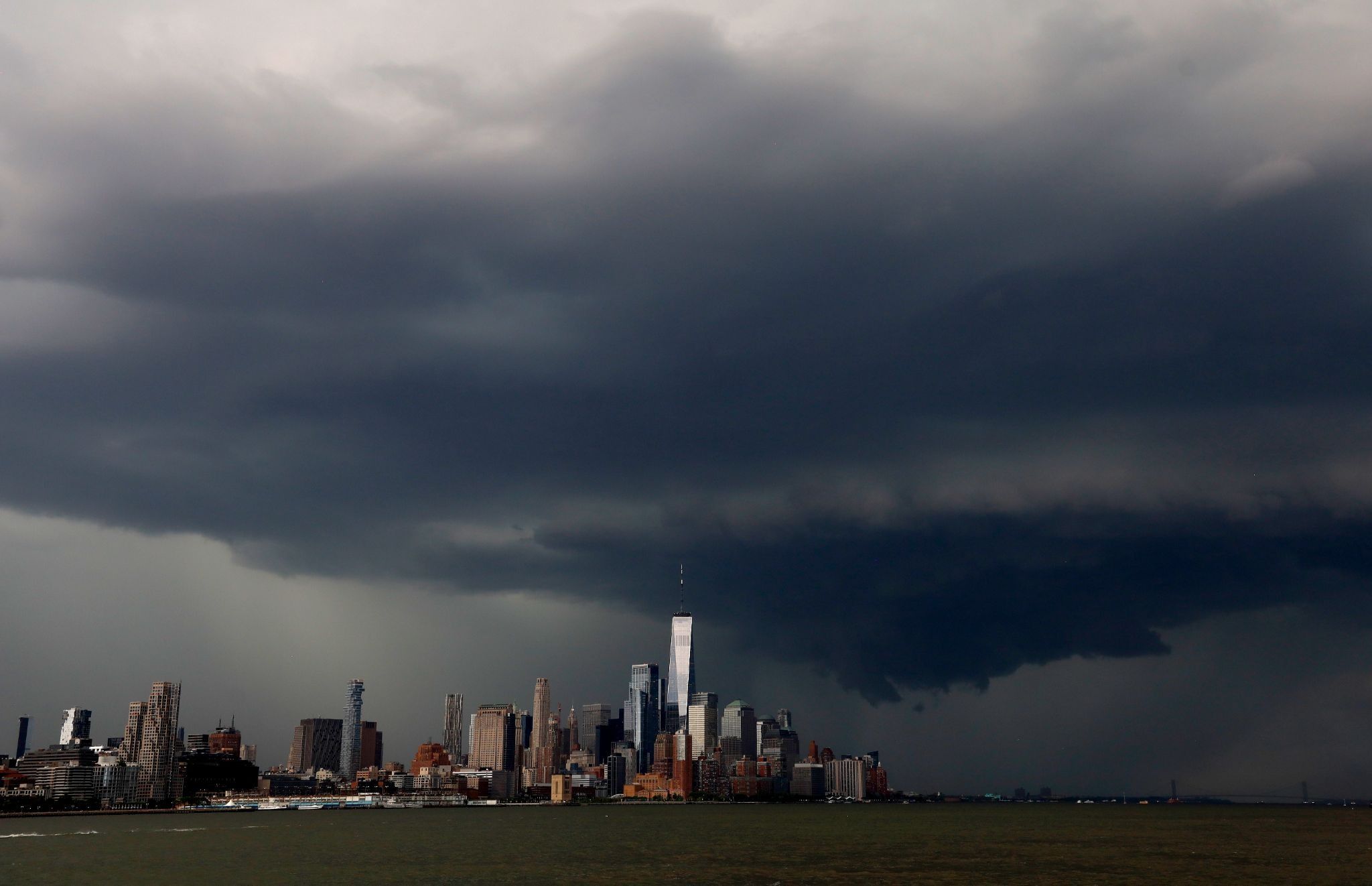
WindBorne Systems, an AI weather forecasting startup, claims its five-day forecasts match the accuracy of government physics models' one-day predictions while requiring less computational power. This represents the latest example of artificial intelligence disrupting traditional weather forecasting, following Google DeepMind's 2024 breakthrough against the European Centre for Medium-Range Weather Forecasts. The development is significant as the US reduces National Weather Service funding and accurate forecasts become increasingly critical for renewable energy planning and financial markets.
WindBorne Systems has reportedly achieved five-day forecast accuracy equivalent to the one-day predictions of world-leading government weather models, while using substantially less computational resources. This advancement continues a broader trend of AI disrupting weather forecasting, a field rooted in empirical methods dating to the 1860s. The European Centre for Medium-Range Weather Forecasts has already begun integrating AI into its own forecasting systems following Google DeepMind's 2024 performance breakthrough. The emergence of private AI-driven forecasting services comes at a time when the US is reducing National Weather Service funding and as accurate weather predictions have become increasingly vital for renewable energy projections and financial trading.
What's missing
The article does not specify the methodology used to compare WindBorne's five-day forecasts to government one-day predictions, the geographic scope of these comparisons, the sample size or time period of validation, or independent verification of these performance claims. Additionally, no details are provided about WindBorne Systems' funding, timeline to commercialization, or specific technical approach.
What different sources said
- SemaforCenter
AI weather startup outperforms official forecasts
Related
Blacksmith CI Service Charges $1,081 to User on Free Trial Without Credit Card on File
A developer team using Blacksmith, a GitHub Actions alternative, received a $1,081 invoice after exceeding free tier limits without having provided a credit card. The company's free trial continued accruing charges rather than stopping service, contrary to typical SaaS conventions. The incident raises questions about whether such billing practices are legally permissible and whether they align with user expectations.

Apple Testing Camera-Equipped AirPods for AI-Enhanced Siri, But Privacy Concerns May Delay Launch
Apple has designed AirPods with built-in cameras to give Siri visual context for user requests and is in late-stage testing with employees, according to Bloomberg reporting. The cameras would enable features like landmark-based navigation, food identification, and smarter contextual assistance, though they would not record photos or video like smart glasses. However, Wired reports Apple may delay the product due to insufficient AI capabilities and executive concerns about privacy risks without compelling use cases.

AI Companies Adopt Serif Fonts to Signal Trustworthiness and Human Touch
AI companies like Claude, Perplexity, and Runway are increasingly using serif fonts in their branding and user interfaces, a shift designers attribute to efforts to make artificial intelligence appear more human and trustworthy. Serif typefaces, historically associated with print media, books, and authority, contrast with the cleaner sans-serif fonts often perceived as computer-like and cold. The trend reflects broader public skepticism about AI and companies' attempts to build confidence in their products through design choices that evoke human craftsmanship and reliability.