AI Companies Pursue State-Level Regulations as Federal Action Stalls

Major AI firms are actively shaping state-level regulations rather than waiting for federal legislation, as Congress and the White House have not yet established a national AI safety framework. While these companies publicly support a unified national standard, they are simultaneously engaging with individual states to influence policy. This shift reflects growing frustration with the pace of federal action and raises questions about whether fragmented state rules will ultimately undermine the industry's stated preference for uniform standards.
As federal AI regulation remains stalled at the national level, leading artificial intelligence companies are taking matters into their own hands by directly engaging with state legislatures to shape regulatory frameworks. While these firms have publicly advocated for a comprehensive national safety standard that would prevent a patchwork of conflicting state rules, they are simultaneously working to influence individual state bills. This apparent contradiction between stated preferences and actual behavior suggests that AI companies may be hedging their bets—securing favorable terms at the state level while maintaining rhetorical support for federal action. The dynamic highlights the tension between industry desires for regulatory clarity and their incentive to shape rules in their favor before any national framework emerges.
What's missing
The article excerpt does not specify which states are being targeted, what specific provisions AI firms are advocating for in state bills, or details about the timeline and status of relevant federal legislative efforts.
What different sources said
- The HillCenter
AI firms craft state rules as White House, Congress stall
Related

AI Is Changing Asia's Workplaces, According to Financial Leaders
Financial executives from major companies in Hong Kong, including Baidu's CFO and BlackRock's Asia-Pacific head, have shared insights on how artificial intelligence is transforming workplaces across the region. The article features perspectives from established financial institutions adapting to AI integration. These observations reflect broader trends of AI adoption reshaping employment and business operations in Asia.

GPT-5.5 Tops New AI Benchmark for Professional Workflows, Beating Claude Fable 5
OpenAI's GPT-5.5 achieved a 24.0% pass rate on the Agents' Last Exam (ALE), a new benchmark designed to measure AI performance on real-world professional tasks, narrowly beating Anthropic's Claude Fable 5 at 22.0%. The benchmark, developed by UC Berkeley researchers and 300+ domain experts, tests AI agents across 55 industries using authentic workflows from professional practitioners rather than isolated coding puzzles. The results highlight that current advanced AI models still fundamentally struggle with complex, long-horizon professional work despite recent progress.
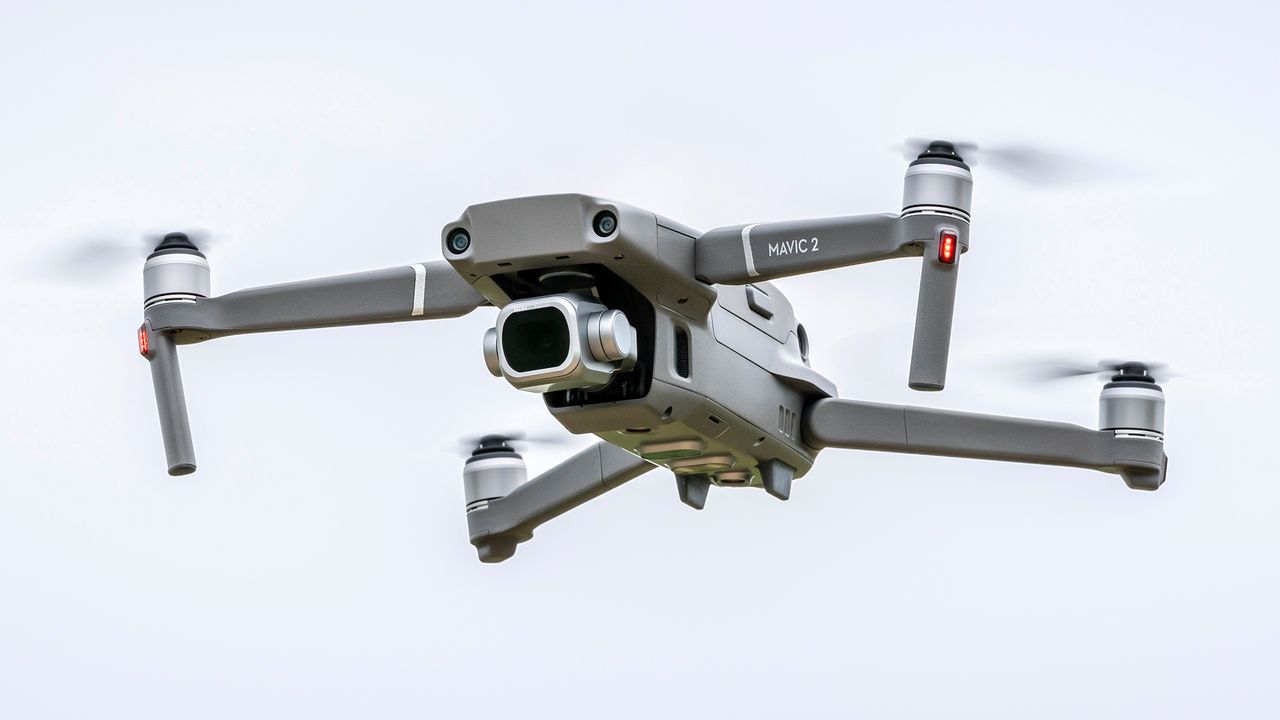
Critical Infrastructure Protection Evolving Beyond Traditional Security as Drone Threats Multiply
Governments and security experts are grappling with how to protect critical infrastructure from drone threats, which can bypass traditional ground-based security measures. Recent conflicts have demonstrated that sensitive sites now face three-dimensional threats, prompting countries like China to tighten drone regulations and others to implement Remote ID mandates and geofencing. Experts argue that regulation alone is insufficient without detection capabilities and supply chain vetting to prevent circumvention of security frameworks.