Critical Infrastructure Protection Evolving Beyond Traditional Security as Drone Threats Multiply
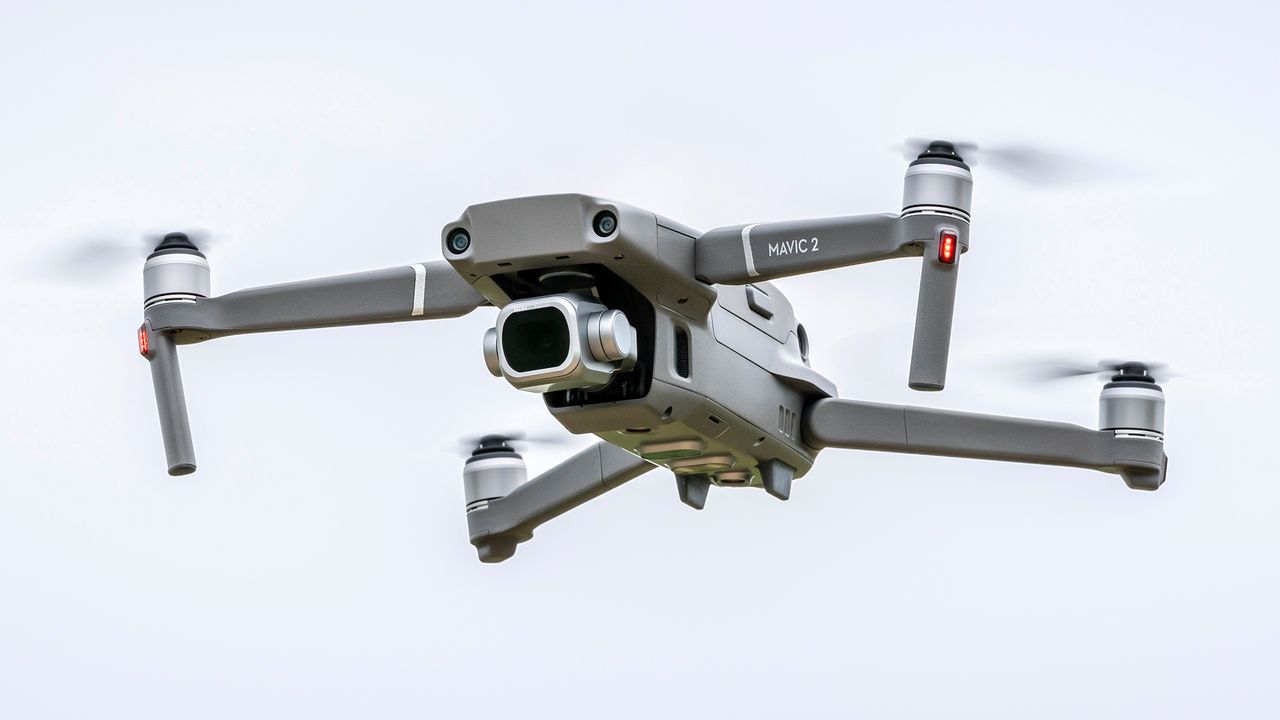
Governments and security experts are grappling with how to protect critical infrastructure from drone threats, which can bypass traditional ground-based security measures. Recent conflicts have demonstrated that sensitive sites now face three-dimensional threats, prompting countries like China to tighten drone regulations and others to implement Remote ID mandates and geofencing. Experts argue that regulation alone is insufficient without detection capabilities and supply chain vetting to prevent circumvention of security frameworks.
Critical infrastructure protection is undergoing fundamental change as commercially available drones present new vulnerabilities that traditional ground-based security cannot address. Recent conflicts have revealed that sensitive sites face threats spanning physical and digital dimensions, with drones capable of flying farther, staying airborne longer, and carrying sophisticated payloads. Governments worldwide are responding with increasingly stringent regulations—China has tightened drone ownership controls, while Europe and the US have implemented Remote ID mandates, geofencing requirements, and operational categories. However, security experts caution that regulatory frameworks alone are insufficient, as commercially available drones can be modified to circumvent restrictions. The broader challenge extends to supply chain security and data protection, with questions about who manufactures drone technology, where data is stored, and who can access it. Experts emphasize that meaningful protection requires detection infrastructure alongside regulation, and potentially vetting of unmanned systems to prevent security vulnerabilities.
What different sources said
- TechRadarCenter
‘A fully secured critical site in 2030 does not look like a single technology’: Why drone visibility and accountability are just as important as security controls
Related
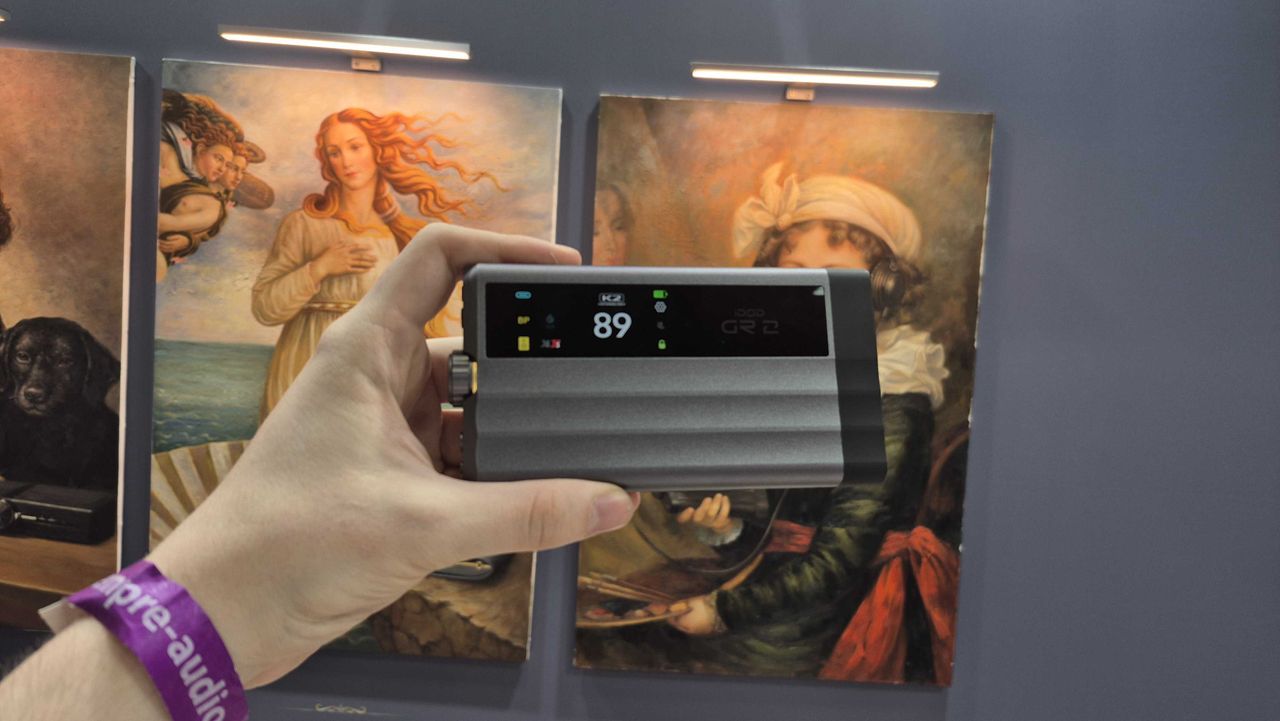
iFi Unveils iDSD GR 2 Portable DAC with Enhanced Power, K2HD Technology, and OLED Display
iFi announced the iDSD GR 2 portable DAC/amplifier at High End Vienna, featuring a new Burr Brown PCM1795 chipset that delivers 50% more output power than its predecessor. The device includes exclusive K2HD audio restoration technology, a color OLED touchscreen, and improved battery capacity while maintaining the company's signature warm analog sound. The upgrade aims to provide audiophiles with enhanced audio detail and a more intuitive user interface in a portable form factor.

Chinese AI Police Technology Demonstrates Biometric Monitoring of Suspects' Physical and Mental States
Chinese firms showcased AI-enabled biometric devices at a Beijing law enforcement exhibition that can assess suspects' vital signs, mental state, and risk levels in real time. The technology, including cameras that claim over 90% accuracy in measuring heart rate, blood pressure, and blood oxygen levels, is designed to reduce police manpower needs and improve efficiency. The demonstration highlights China's advancement in surveillance technology, with international interest from countries like Indonesia in acquiring similar equipment.

Anthropic CEO Calls for Government Authority to Block Dangerous AI Deployments
Anthropic CEO Dario Amodei published an essay arguing that governments should have legal power to block or reverse dangerous AI deployments, similar to regulatory frameworks for drugs and aircraft. The proposal includes mandatory testing for risks like cybersecurity threats, biological weapons, and loss of control, as well as economic policies to address AI-driven labor disruption. The recommendations go significantly beyond current U.S. policy considerations and are likely to draw criticism that Anthropic is using safety concerns to entrench its market position.