AI Advances Improve Fluorescence Microscopy Image Restoration Speed and Accuracy
Researchers have developed deep learning techniques that enhance fluorescence microscopy image restoration, addressing previous limitations in fidelity and noise robustness. Fluorescence microscopy is a critical tool in biological and medical research, but image quality has been constrained by technical limitations. These AI improvements could accelerate scientific discovery by enabling clearer cellular and molecular imaging.
Recent advances in deep learning are improving the quality and speed of fluorescence microscopy image restoration, a key technique in biological research. Fluorescence microscopy allows scientists to visualize cellular structures and processes, but images are often degraded by noise and other artifacts that reduce clarity. Previous deep learning approaches have struggled to maintain image fidelity while handling the various types of noise inherent to fluorescence imaging. The new AI methods address these challenges by improving both the accuracy of restored images and the robustness of the restoration networks under noisy conditions. These improvements could have significant implications for research in cell biology, pathology, and drug discovery by enabling researchers to extract more detailed information from microscopy data.
Limitations & open questions
The article does not specify which research institution or team developed this technology, the specific deep learning architecture used, or any timeline for practical implementation in research laboratories.
What different sources said
- Phys.orgCenter
Breaking tunnel vision, imaging AI lifts fluorescence image restoration accuracy and speed
Related
New AI Framework Improves Evidence-Based Analysis for Muon Collider Research
Researchers have developed an AI system called agentic hybrid RAG that combines retrieval and reasoning techniques to help scientists find and verify evidence in muon collider research literature. The framework integrates both keyword-based and semantic search methods with AI reasoning to decompose complex queries and synthesize answers. This work addresses a growing need in high-energy physics for AI-assisted tools that can reliably navigate rapidly expanding scientific literature.
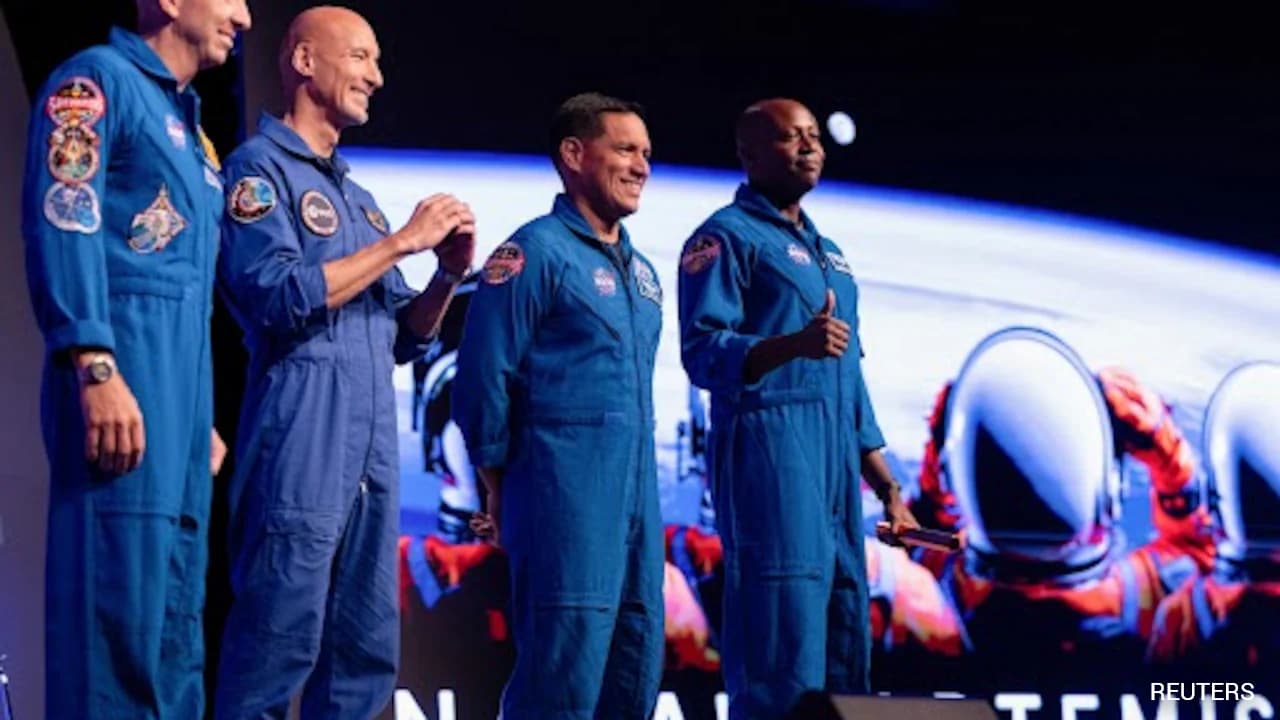
NASA Announces Four-Astronaut Crew for Artemis III Moon Mission
NASA named three U.S. astronauts and one Italian astronaut from the European Space Agency as the crew for Artemis III, scheduled to launch in 2027. The mission will conduct a docking demonstration in Earth's orbit and test moon landers from SpaceX and Blue Origin. The crew includes a veteran test pilot, a record-holder for longest U.S. spaceflight, and a first-time space flyer.
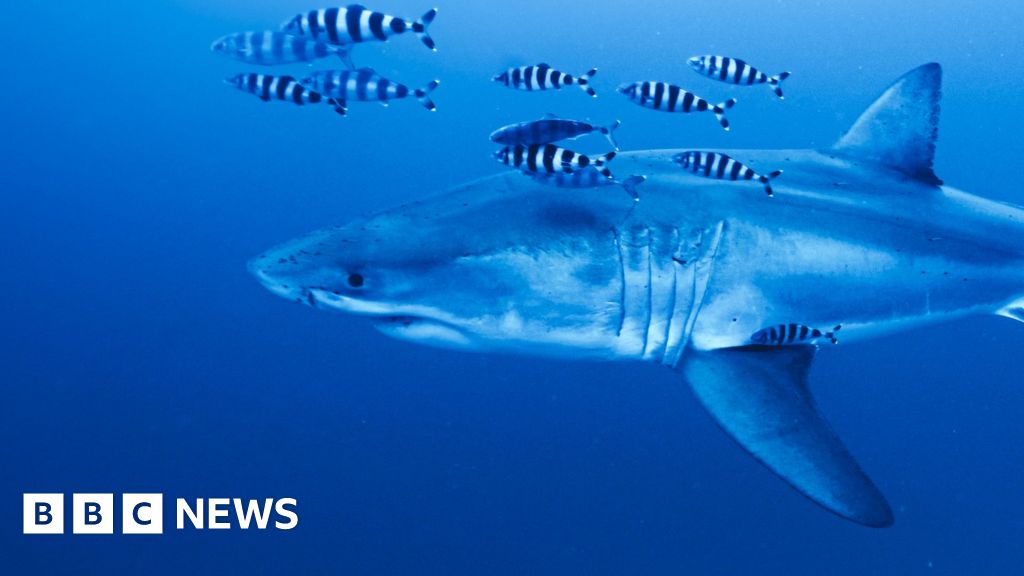
Rare Great White shark filmed in Mediterranean Sea between Tunisia and Sicily
A volunteer diver captured rare footage of a Great White shark in the Mediterranean Sea in May while working to document ghost fishing nets. The sighting is significant because Great Whites are thought to be near extinction in the Mediterranean due to overfishing. Conservationists hope the discovery will prompt governments to establish marine protected areas in the region.