African Officials Emphasize Homegrown Response to Ebola Outbreak as Deaths Reach 247
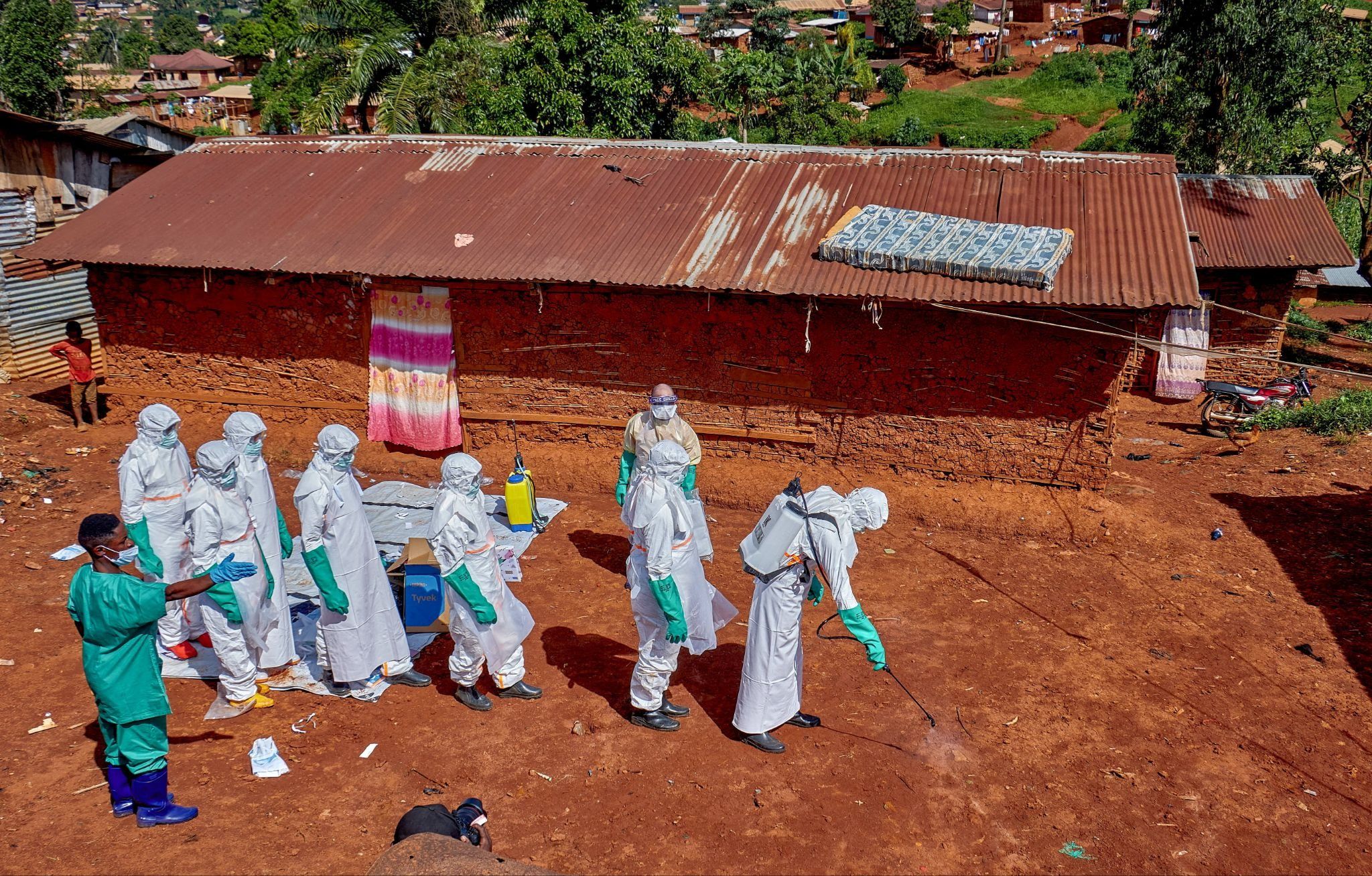
An Ebola outbreak in central Africa has killed at least 247 people, with Brazil monitoring two suspected cases. The Africa Centres for Disease Control and Prevention is emphasizing African-led response efforts amid Western aid reductions and strained health systems. The outbreak is compounding economic hardship in affected regions, with vaccine development potentially taking up to nine months.
An Ebola outbreak concentrated in central Africa has resulted in at least 247 deaths, prompting the Africa Centres for Disease Control and Prevention to highlight homegrown containment efforts. The outbreak occurs amid reduced Western aid to the continent and comes as health systems in affected areas are already stretched thin. Beyond the immediate health crisis, the outbreak is straining communities in the Democratic Republic of Congo through border closures that disrupt local commerce, compounding economic pressures from fuel price increases linked to Middle East conflicts and ongoing armed conflict in the region. The World Bank's estimate of $2.2 billion in lost GDP from the 2014-16 West African Ebola outbreak underscores potential broader economic impacts. Healthcare workers are working to develop a vaccine for the current strain, though experts warn development could take up to nine months.
What's missing
The specific location(s) of the outbreak within central Africa and the identity of the Ebola strain are not specified in the article.
What different sources said
- SemaforCenter
African officials seek homegrown response to Ebola outbreak
Related
Person dies from rare Murray Valley Encephalitis virus in Western Australia
A person has died after contracting Murray Valley Encephalitis, a rare mosquito-borne virus, while travelling in Western Australia's north, marking the first reported death from the virus in WA this year. The individual was likely exposed in early May in the West Kimberley region, about 2,000 kilometres north of Perth, before being transferred to a Perth hospital where they died. Health authorities are urging residents and tourists to protect themselves from mosquito bites as the region enters its peak tourism season, noting the virus can cause serious brain infection though complications remain rare.

Shigellosis outbreak in Wayanad rises to three confirmed cases; health officials launch investigation
A third student tested positive for shigellosis in Wayanad, Kerala, following an outbreak at Mar Baselios AUP School, bringing confirmed cases to three. The bacterial infection has caused symptoms in 473 people total, with 58 currently hospitalized, prompting health officials to investigate the source and implement stricter sanitation measures. The outbreak highlights concerns about water safety and food hygiene in the region, with authorities conducting well chlorination and inspections of food establishments.

Red-Light Therapy for Hair Loss: Clinical Evidence and Consumer Device Reviews
Wired published a 2026 guide reviewing red-light therapy devices for hair restoration, reporting that clinical studies suggest the treatment can increase blood circulation, reduce inflammation, and support hair follicle growth. Red-light therapy has emerged as an at-home alternative to traditional hair-loss treatments like topical remedies or surgical procedures. The guide matters because hair loss affects millions, and if clinically validated, at-home devices could democratize access to a non-invasive treatment option.