Abu Dhabi's Top Investment Official Pledges Accelerated US Investment During Washington Visit
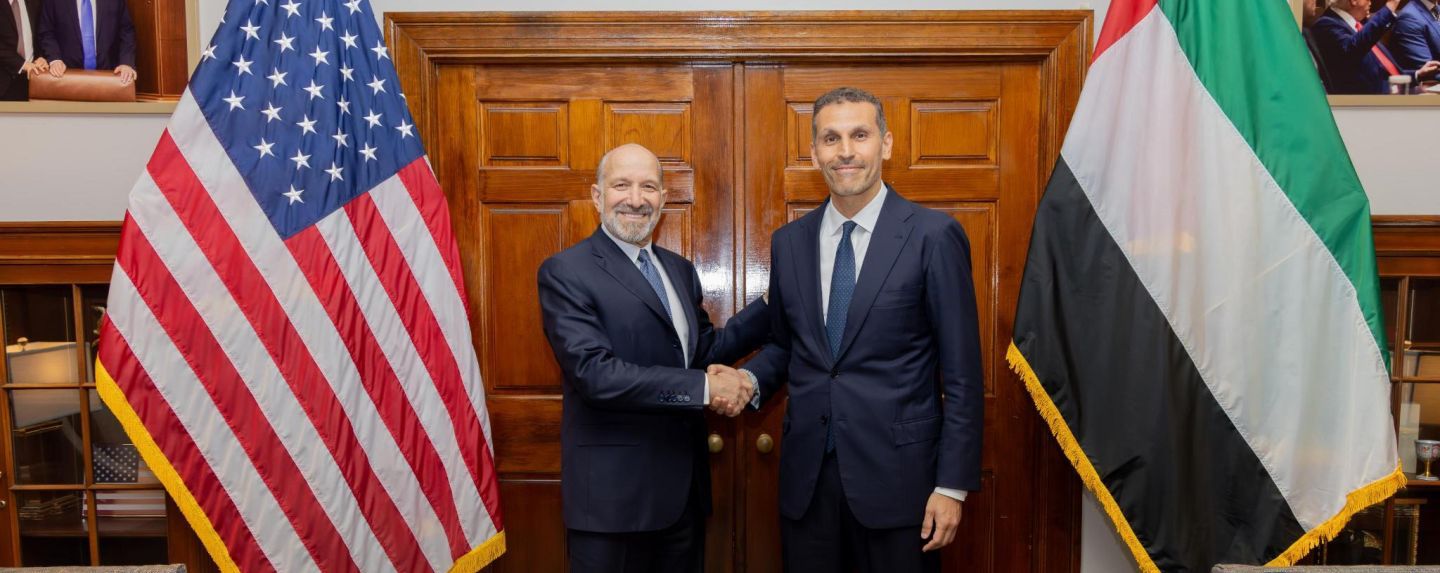
Khaldoon Al Mubarak, a senior Abu Dhabi official, visited Washington and pledged to accelerate UAE investments in US technology and energy infrastructure as part of a $1.4 trillion decade-long commitment. The UAE has already announced over $100 billion in investment and trade deals since Trump's May 2025 Gulf visit, with focus on AI, energy, healthcare, and manufacturing. The accelerated investment reflects growing UAE-US economic ties and positions Abu Dhabi as a major global investor in critical US sectors.
Khaldoon Al Mubarak, managing director of Mubadala and chairman of the UAE's Executive Affairs Authority, visited Washington to highlight progress on the UAE's $1.4 trillion investment commitment to the United States. During the visit, he met with Trump administration officials including Commerce Secretary Howard Lutnick, Vice President JD Vance, and Treasury Secretary Scott Bessent, pledging to accelerate investments despite regional and macroeconomic challenges. The UAE has announced more than $100 billion in investment and trade deals over the past year, with capital flowing primarily into AI infrastructure, energy, healthcare, and manufacturing. Major Abu Dhabi firms including AI investment company MGX, the new financial services firm Judan, and data center operator G42 have made significant US commitments, including stakes in AI companies like Anthropic and OpenAI. The UAE's recent OPEC exit is expected to generate additional oil revenue for reinvestment, while US exports to the UAE reached $31.4 billion in 2025, creating the largest US trade surplus in the Middle East and North Africa region.
What different sources said
- SemaforCenter
Abu Dhabi’s money man pledges accelerated US investment
Related
Higher Oil Prices Boost Russia's Government Revenue but Fail to Accelerate Economic Growth
Rising oil prices are increasing Russia's government revenue and current-account surplus despite Western sanctions, with every $10 increase in oil prices adding roughly $21 billion in budget revenue. However, severe labor shortages from military losses and emigration, combined with weak productivity, are preventing the economy from expanding beyond 0.9% growth in 2026. The oil windfall highlights structural constraints in Russia's economy that money alone cannot overcome.

U.S. Markets Stage Rebounds Following Chip Stock Selloff
U.S. markets have rebounded twice following a dramatic Friday selloff in chip stocks, with gains at Monday's open and Tuesday afternoon. The Nasdaq 100 remains down 4.25% for the month despite the recoveries, and volatility has increased sharply. The pattern reflects the market's traditional 'buy the dip' behavior as investors resist giving up recent gains.
Japan's 30-Year Bond Auction Sees Weakest Demand in Over a Year
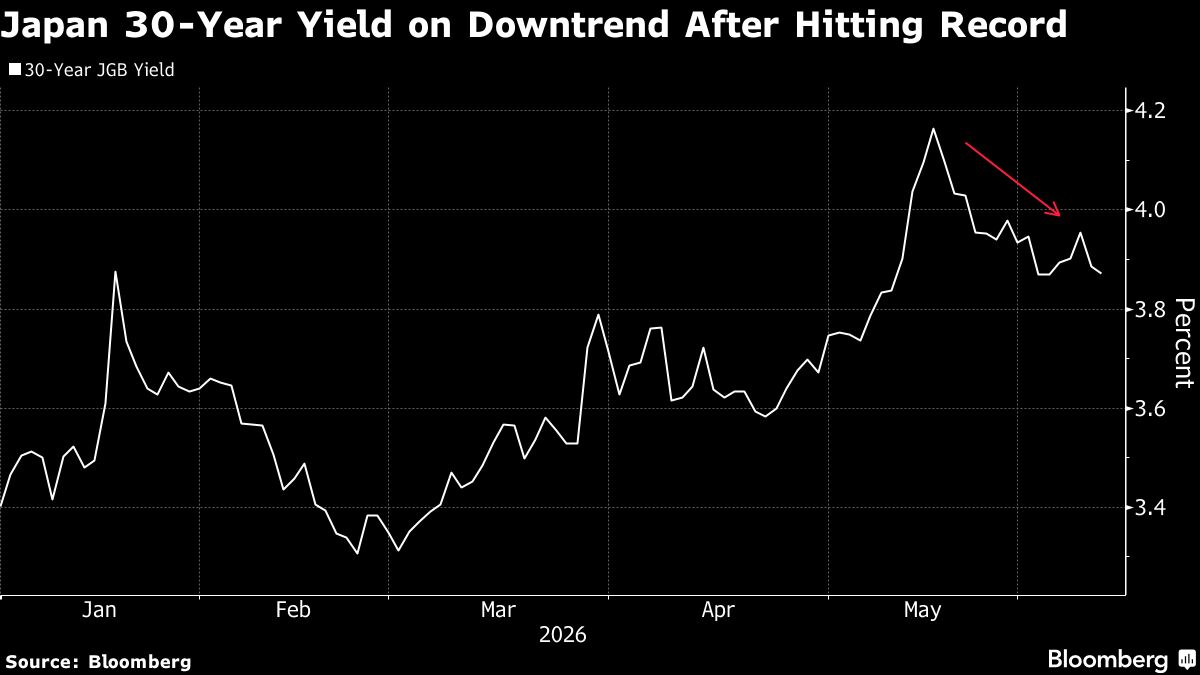
Japan's 30-year government bond auction on June 10, 2026 attracted the weakest demand since June 2025, with a bid-to-cover ratio of 2.94 compared to the previous 3.49. The decline reflects investor concerns over inflation and fiscal policy, as well as falling yields reducing appetite for the bonds. Weak bond demand can signal investor anxiety about Japan's economic outlook and fiscal sustainability.