A Cancer Patient's Journey as a Social Media Influencer: Connection, Community, and When the Story Ends
Sarah Barness, diagnosed with breast cancer at 35 in 2023, became a cancer influencer on TikTok and other platforms alongside her sister, initially reluctantly after being outed by a GoFundMe campaign. She discovered that sharing her cancer journey online provided community connection and purpose during treatment, joining a growing space of younger patients documenting their medical experiences on social media. The article explores both the benefits of this digital support network and the complexities of maintaining a public cancer identity after recovery.
Sarah Barness was diagnosed with breast cancer in March 2023 and, after being unexpectedly outed by a friend's GoFundMe campaign, began sharing her cancer journey on social media alongside her sister. Initially camera-shy and resistant to the "cancer influencer" identity, Barness found herself drawn to the growing community of younger patients documenting their medical experiences online. She discovered that other cancer influencers like Justine Morris (73,000 Instagram followers) and Trish Michelle (7,000 followers) found purpose in sharing their stories, with some citing the desire to provide representation and help others feel less alone. Barness navigated the fragmented medical system by piecing together advice from multiple specialists, and the isolation of that process drove her to seek connection online. The article suggests that while social media provided community and meaning during treatment, the identity of "cancer influencer" presents ongoing questions about what happens when patients recover and the narrative arc of their public story concludes.
What's missing
The article does not discuss potential downsides or criticisms of the cancer influencer phenomenon, such as concerns about commodification of illness, mental health impacts of public scrutiny during vulnerable moments, or the pressure to maintain engagement and narrative consistency. Additionally, there is no discussion of how platforms' algorithms and monetization incentivize health-related content, or data on the actual prevalence and demographics of cancer influencers beyond anecdotal examples.
What different sources said
- Business InsiderLeft
I became a cancer influencer. It helped me through the hard times — until my hair grew back.
Related
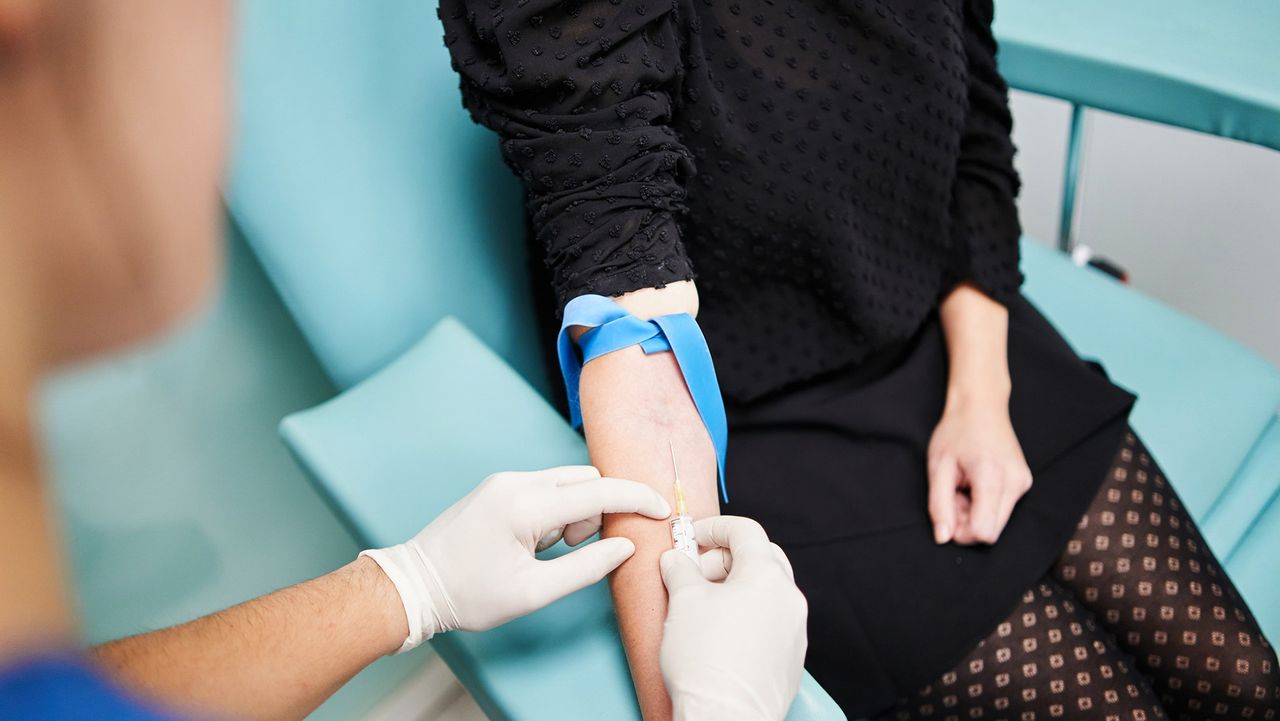
Multi-Cancer Blood Test Galleri Fails Primary Trial Endpoint
A major clinical trial of Galleri, a blood test designed to detect multiple cancers early, failed to meet its primary goal of reducing late-stage cancer diagnoses when results were announced in February. Multi-cancer early detection (MCED) tests aim to improve survival rates by identifying disease at earlier, more treatable stages. The failure raises questions about the effectiveness of this promising diagnostic approach despite initial scientific enthusiasm.
Study Uses CPAP Data to Measure Social Jet Lag in Sleep Apnea Patients
Researchers analyzed CPAP adherence records from nearly 3,000 obstructive sleep apnea patients to measure social jet lag—the circadian misalignment between work and free days. About 16-21% of patients showed moderate to severe social jet lag, with prevalence highest in younger and middle-aged adults and declining after age 65. The findings suggest CPAP devices could routinely screen for circadian misalignment, potentially identifying patients who need additional behavioral or activity-based interventions.

FDA Updates Alli Label to Warn of Rare but Potentially Fatal Kidney Problems
The FDA has approved updated labeling for Alli, an over-the-counter weight loss pill, to warn of rare risks including acute kidney injury, kidney stones, and oxalate nephropathy. The agency now instructs people with kidney disease history to consult a doctor before use and directs all users to stop taking the drug if they experience symptoms like back pain, blood in urine, or leg swelling. This warning is significant because Alli is the only OTC weight loss medication available in the U.S., and approximately 40 million people have used orlistat (Alli's generic form) since its approval in 1999.