72-Year-Old Neonatal Nurse Practitioner Begins Medical Residency After 45-Year Career

Dawn Zuidgeest-Craft, a 72-year-old neonatal nurse practitioner with 45 years of experience, is beginning a family medicine residency after graduating from medical school at age 69. Her decision to pursue medicine came after a health scare involving her husband prompted her to reconsider her bucket list. Her late-career transition raises practical questions about employment, Medicare eligibility, and the feasibility of practicing medicine at an advanced age.
Dawn Zuidgeest-Craft began medical school at age 69 in 2022 after spending 45 years working as a neonatal nurse practitioner. A pivotal moment came when her husband experienced a health scare, prompting both of them to reconsider their life priorities and unfulfilled goals. While she initially had no plans to practice medicine after graduating, she changed her mind and is now beginning a family medicine residency at age 72. Her unconventional path raises practical challenges, including how her employer handles a resident who is simultaneously on Medicare. Zuidgeest-Craft acknowledges that her extensive healthcare background gives her significant advantages over younger medical school graduates, noting that many "young wannabes don't have a clue" about what residency entails.
What different sources said
- STAT NewsCenter
Opinion: ‘They all think I’m insane’: What it’s like to start medical residency at 72
Related
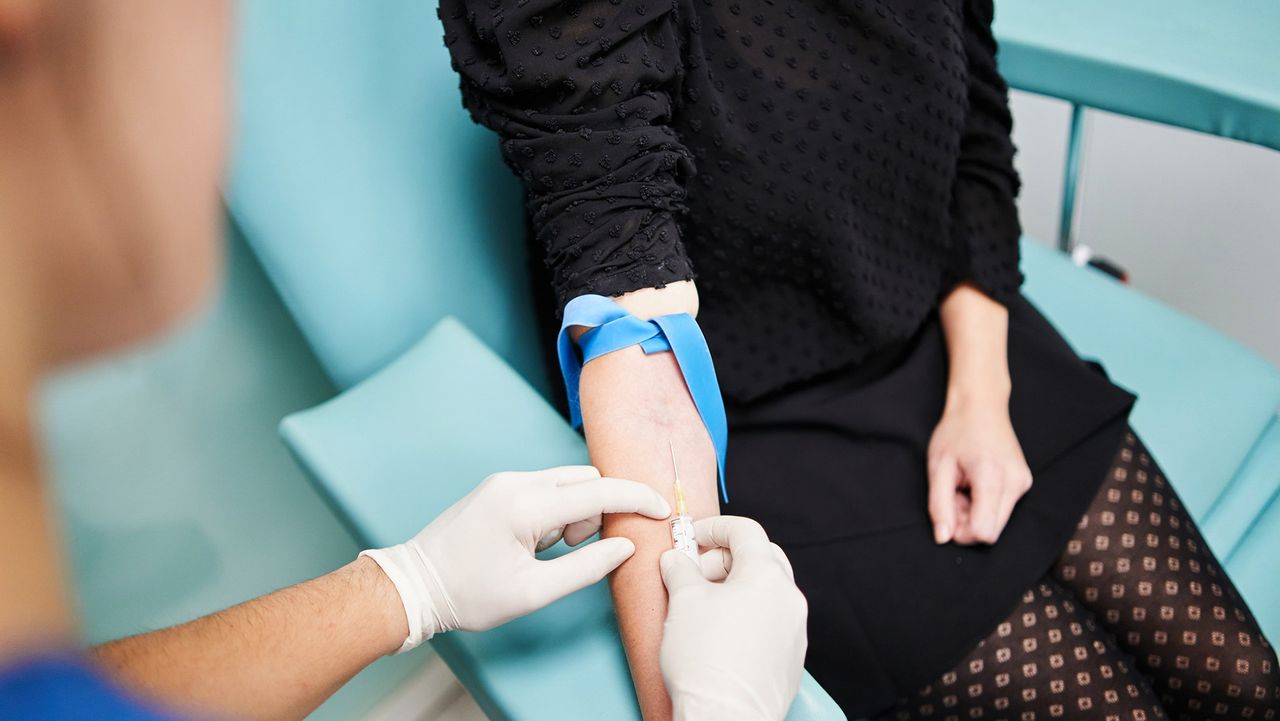
Multi-Cancer Blood Test Galleri Fails Primary Trial Endpoint
A major clinical trial of Galleri, a blood test designed to detect multiple cancers early, failed to meet its primary goal of reducing late-stage cancer diagnoses when results were announced in February. Multi-cancer early detection (MCED) tests aim to improve survival rates by identifying disease at earlier, more treatable stages. The failure raises questions about the effectiveness of this promising diagnostic approach despite initial scientific enthusiasm.
Study Uses CPAP Data to Measure Social Jet Lag in Sleep Apnea Patients
Researchers analyzed CPAP adherence records from nearly 3,000 obstructive sleep apnea patients to measure social jet lag—the circadian misalignment between work and free days. About 16-21% of patients showed moderate to severe social jet lag, with prevalence highest in younger and middle-aged adults and declining after age 65. The findings suggest CPAP devices could routinely screen for circadian misalignment, potentially identifying patients who need additional behavioral or activity-based interventions.

FDA Updates Alli Label to Warn of Rare but Potentially Fatal Kidney Problems
The FDA has approved updated labeling for Alli, an over-the-counter weight loss pill, to warn of rare risks including acute kidney injury, kidney stones, and oxalate nephropathy. The agency now instructs people with kidney disease history to consult a doctor before use and directs all users to stop taking the drug if they experience symptoms like back pain, blood in urine, or leg swelling. This warning is significant because Alli is the only OTC weight loss medication available in the U.S., and approximately 40 million people have used orlistat (Alli's generic form) since its approval in 1999.