22 Million U.S. Teenagers Earn Money Through Digital Platforms and Online Work

Approximately 22 million teenagers aged 13 to 17 are earning income through digital and informal channels such as livestreaming video games, online reselling, and in-game platforms like Roblox, according to a Cash App whitepaper. Gen Alpha is increasingly entering the economy through non-traditional means years before formal employment, with top career aspirations including YouTube creator and TikTok influencer. The trend signals a generational shift in how young people conceptualize work, income, and career success.
A whitepaper published by Cash App, owned by fintech company Block, finds that around 22 million U.S. teenagers between the ages of 13 and 17 are earning money through part-time, informal, or digital work. Roughly 10% earn through video game livestreaming, 16% through online reselling, and 10% via in-game platforms such as Roblox. Gen Alpha, the youngest generation, already commands over $100 billion in direct annual spending power and is projected to reach $5.46 trillion in spending power by 2029. Career aspirations reflect this digital orientation: more than 30% of 12-to-15-year-olds say they want to become YouTubers, and 21% aspire to be TikTok creators, according to a separate 2025 report from social commerce platform Whop. Experts note that digital figures like MrBeast feel more relatable and accessible to this generation than traditional celebrities, making content creation seem like an achievable career path. Traditional professions such as nursing, teaching, and athletics still attract significant interest, suggesting Gen Alpha is navigating both digital and conventional career landscapes simultaneously.
What's missing
The Cash App whitepaper is produced by Block, a fintech company with a commercial interest in teen financial behavior, which may introduce bias in how findings are framed or which data points are highlighted. The methodology, sample size, and geographic scope of the whitepaper are not detailed in the articles, making it difficult to assess the robustness of the 22 million figure.
What different sources said
- FortuneCenter
Around 22 million teenagers are making their pocket money on video games, online reselling, and in-game platforms like Roblox
- Yahoo FinanceCenter
Around 22 million teenagers are making their pocket money on video games, online reselling, and in-game platforms like Roblox
Related
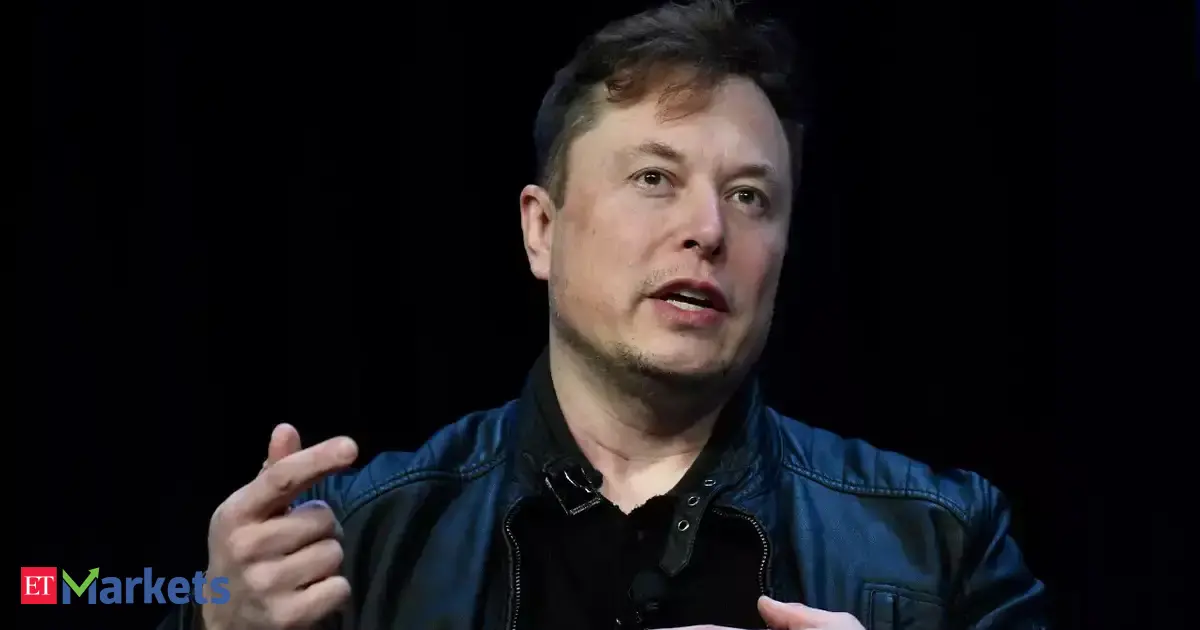
SpaceX IPO Makes Elon Musk World's First Trillionaire as Shares Surge 19% on Debut
SpaceX shares closed up 19% on their first trading day, pushing Elon Musk's net worth to approximately $1.11 trillion and making him the first individual in history to cross the trillion-dollar threshold. The company raised $75 billion at an IPO price of $135 per share, with shares closing near $161, giving SpaceX a market capitalization of roughly $2.1 trillion despite the company reporting a net loss of $4.94 billion in 2025. The milestone has drawn both investor enthusiasm and sharp criticism over Musk's social media conduct and concerns that the IPO's structure exploits passive index fund mechanics to extract wealth from ordinary retirement savers.
Delhi Power Bills to Rise for Some Consumers as Regulator Approves Higher Electricity Surcharge
Delhi's electricity regulator DERC has approved increased Power Purchase Adjustment Charges (PPAC) for distribution companies, raising bills for consumers in south, east, and central Delhi from July 2026. The hike follows a sharp rise in power procurement costs in April 2026, driven by higher summer demand and elevated fuel prices. The change also marks a structural shift from quarterly to monthly PPAC revisions, making electricity bills more responsive to real-time cost fluctuations.

SEC Proposes Repealing Rule 611 and Rule 610(e) of Regulation NMS
The Securities and Exchange Commission proposed on June 11, 2026, to rescind Rule 611 and Rule 610(e) of Regulation NMS, which govern trade-through protections and locking/crossing quotations in equity markets. Rule 611, in place for roughly two decades, requires trades to be executed at the best available price across exchanges. The proposal could reshape equity market structure and has implications for emerging areas such as tokenized stocks.