World Cup 2026 Expected to Deliver Limited Economic Gains to Host Countries
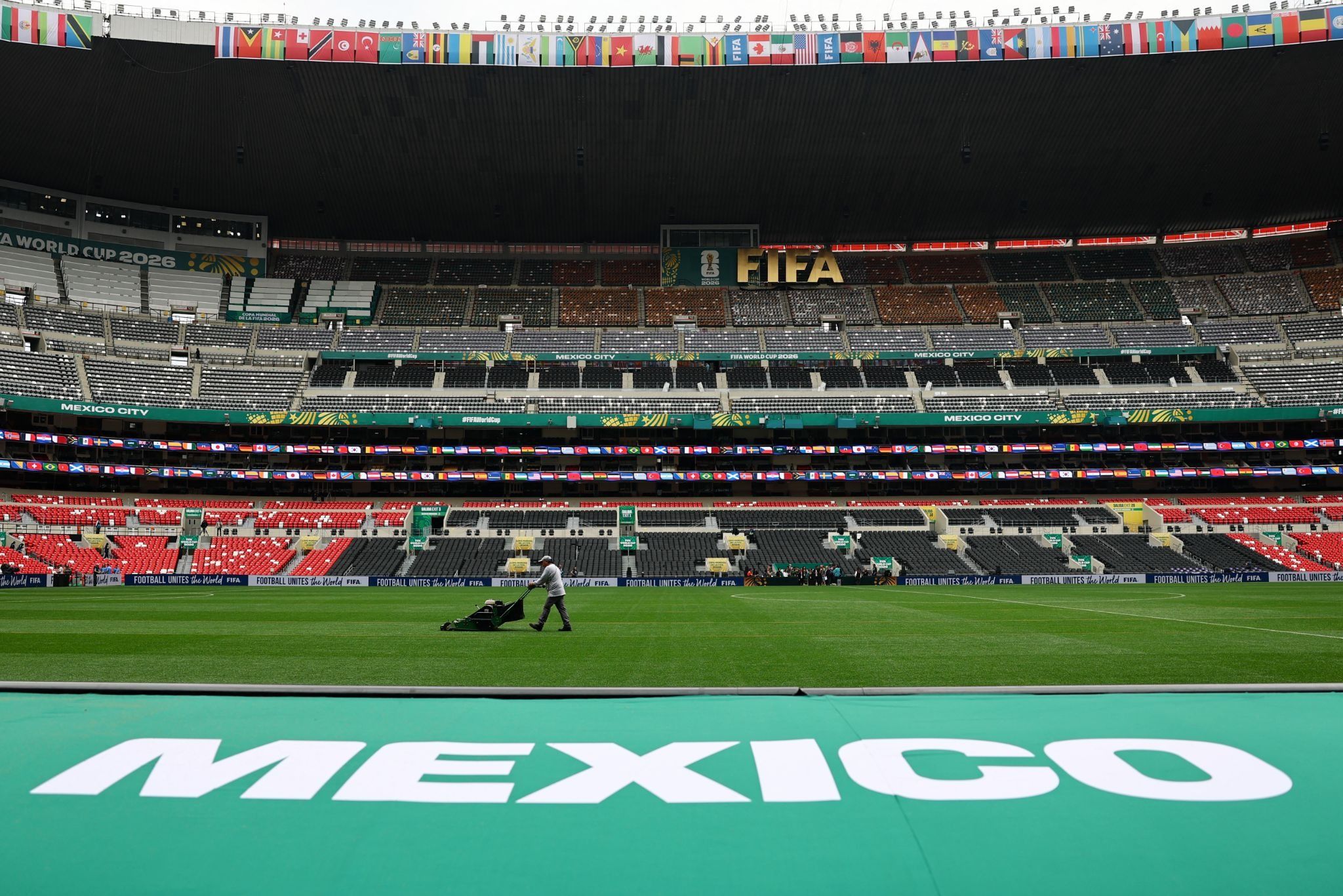
The 2026 FIFA World Cup opened on June 12, 2026, spanning the United States, Canada, and Mexico in what is the largest sporting event ever held. While projections from FIFA, the WTO, and the White House forecast tens of billions in economic impact, independent analysts and Goldman Sachs warn that long-term gains for host nations are effectively zero. The tournament is also shadowed by disputes over hosting costs, exorbitant ticket prices, visa denials, and broader political tensions surrounding its U.S. staging.
The 2026 FIFA World Cup, featuring 48 teams across 16 cities in three countries, kicked off on June 12 with Mexico facing South Africa at the Estadio Azteca. Official projections are bullish: a joint FIFA-WTO study estimated a $17.2 billion boost to U.S. GDP and $40.9 billion globally, while the White House cited a potential $30 billion benefit for the U.S. alone. However, Goldman Sachs, analyzing every tournament since 1982, found that long-term economic effects on host nations are 'effectively zero,' partly because most fans watch from home and spending is diffuse. On the ground, host states like New Jersey are grappling with significant infrastructure costs — the state faces $48 million in transit expenses alone — while receiving no financial contribution from FIFA, which is projected to earn $11 billion from the tournament. Hotel bookings have fallen short of forecasts in 80% of host cities, and ticket prices have soared, with some final tickets listed above $30,000 on resale platforms. Beyond economics, the tournament faces criticism over visa denials affecting fans and officials from majority-Muslim nations, including a FIFA-licensed Somali referee barred from entry, as well as broader concerns about the use of a major global event to project soft power under the current U.S. administration.
What's missing
No source provides detailed reporting on the economic arrangements or infrastructure cost disputes faced by non-U.S. host cities in Canada and Mexico, nor on how FIFA's revenue-sharing model with host nations compares to prior tournaments.
How coverage differed
CBS News and Semafor covered the economic story in largely neutral, data-driven terms, presenting both optimistic official projections and skeptical analyst findings side by side. Salon framed the tournament in explicitly political terms, describing it as a 'garbage fire' tied to Trump-era authoritarianism and drawing historical comparisons to World Cups held under fascist and autocratic regimes, a framing absent from the other outlets.
What different sources said
- CBS NewsCenter
The World Cup will draw millions of fans, but economic payoff is modest
- SalonLeft
Can the worst World Cup ever find a way to redeem itself?
- SemaforCenter
World Cup gives limited economic boost to host countries
- The EconomistCenter
The World Cup Paradox
- Scientific AmericanCenter
World Cup camera coverage poses a moving math puzzle
- CNBCCenter
Some U.S. states still don't know if the World Cup will benefit them financially—just look at New Jersey
- France 24Center
Wrapped in paradox: Most inclusive tournament in terms of countries participating yet many excluded
Related
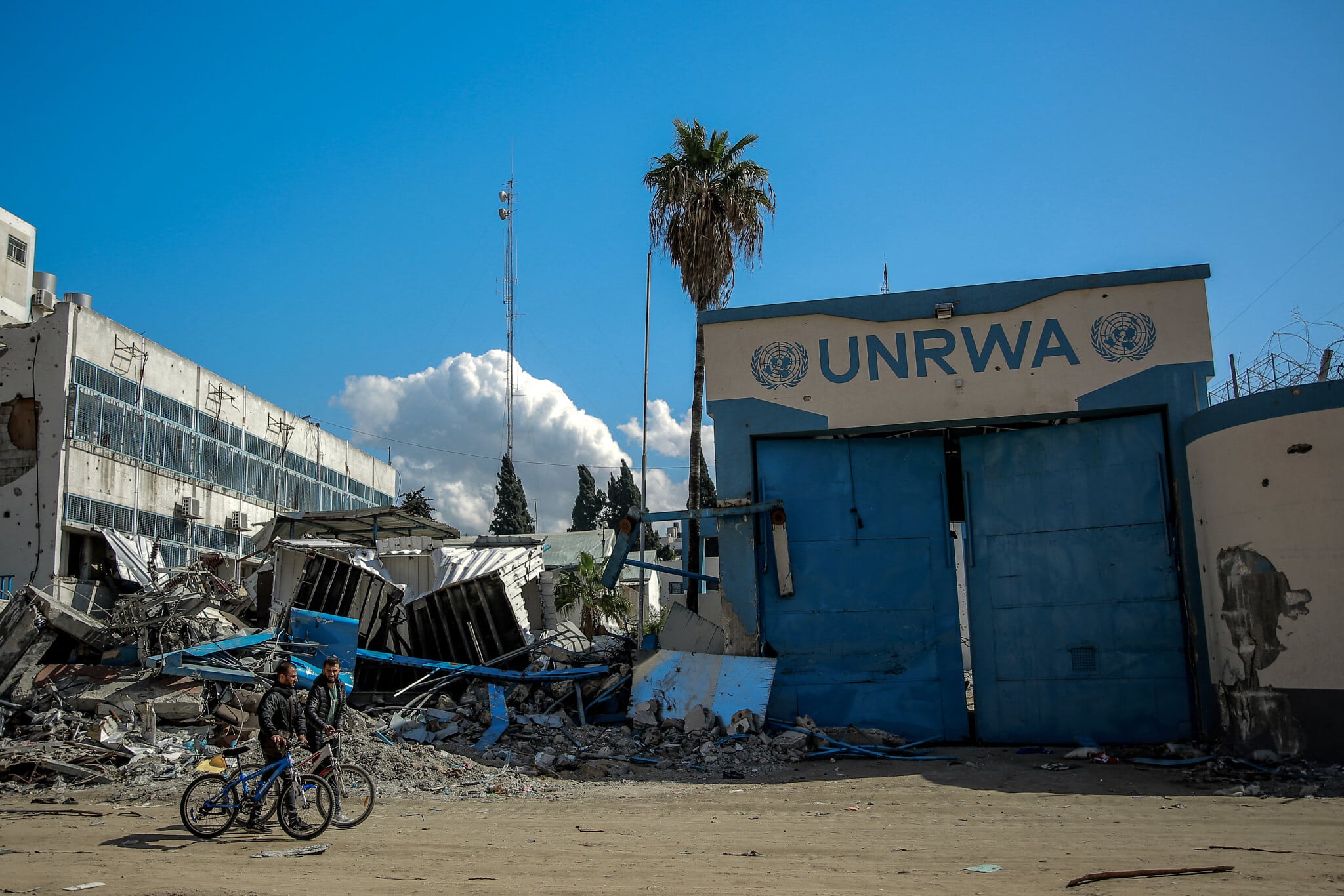
UNRWA Fires 70 Gaza Staff Members, Denies Terminations Validate Hamas Allegations
The UN agency for Palestinian refugees, UNRWA, has dismissed 70 employees in Gaza with immediate effect, citing safety and security risks. The move follows a USAID investigation that referred over 100 UNRWA staff for suspension or dismissal, and longstanding Israeli allegations that significant portions of the agency's workforce have ties to Hamas. The firings mark a significant but contested step in addressing accusations that have dogged the agency since the October 7, 2023 attacks, while UNRWA insists the dismissals are not an admission of guilt.
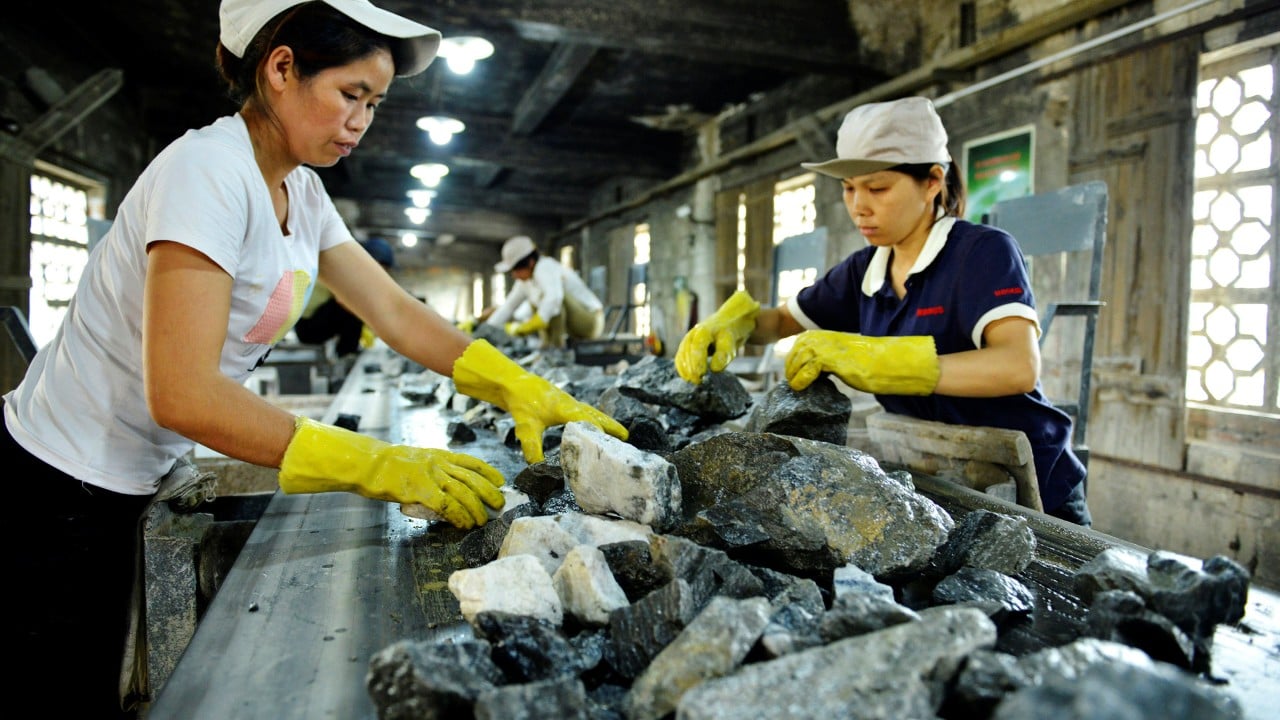
China's Tungsten Export Controls Ripple Through Global Supply Chains, From AI Chips to Weapons
China's 2025 export restrictions on tungsten have triggered price surges, potential production halts at Japanese semiconductor gas manufacturers, and a push to revive domestic mining in the United States. Tungsten, of which China produces over 78 percent of global supply, is critical to both advanced AI chipmaking and military munitions. The disruptions are exposing deep vulnerabilities in Western and Asian supply chains for a material with few short-term substitutes.

Rain Delays Start of India vs Afghanistan 1st ODI in Dharamshala
Persistent drizzle has delayed the toss and cast doubt over the first ODI between India and Afghanistan at the Himachal Pradesh Cricket Association Stadium in Dharamshala. The meteorological department issued an orange alert for June 12 warning of thunderstorms and hail across parts of Himachal Pradesh, with a 60–70% chance of showers forecast throughout the day. The delay threatens what would have been a historically significant match — the first-ever bilateral ODI series between the two nations.