White-Collar Job Losses Persist Despite Healthy Overall U.S. Labor Market

Employment in financial activities, information, and professional services sectors has fallen 2% since April 2023, while overall U.S. employment remains strong with a 4.3% unemployment rate. These white-collar sectors represent only 22% of total U.S. employment, explaining how job losses can coexist with a healthy broader labor market. The situation mirrors manufacturing's decline in the 2000s and raises questions about whether AI-driven job losses could accelerate during an economic downturn.
The U.S. labor market presents an apparent contradiction: white-collar professional employment is declining while overall job growth remains robust. Since April 2023, core white-collar sectors—financial activities, information, and professional and business services—have lost an average of 19,000 jobs monthly after adding 49,000 monthly during the prior decade. This shift reflects employer overhiring corrections from the pandemic, work process streamlining, and anticipatory cost-cutting related to AI productivity gains. However, these sectors employ only 34 million workers, roughly 22% of total U.S. employment, making it arithmetically feasible for them to shrink while the broader economy adds jobs and maintains a 4.3% unemployment rate. The situation parallels manufacturing's experience in the 2000s, when sector-wide job losses persisted even as overall employment recovered, though those losses ultimately proved permanent.
What different sources said
- AxiosCenter
The white-collar jobs contradiction that isn't
Related
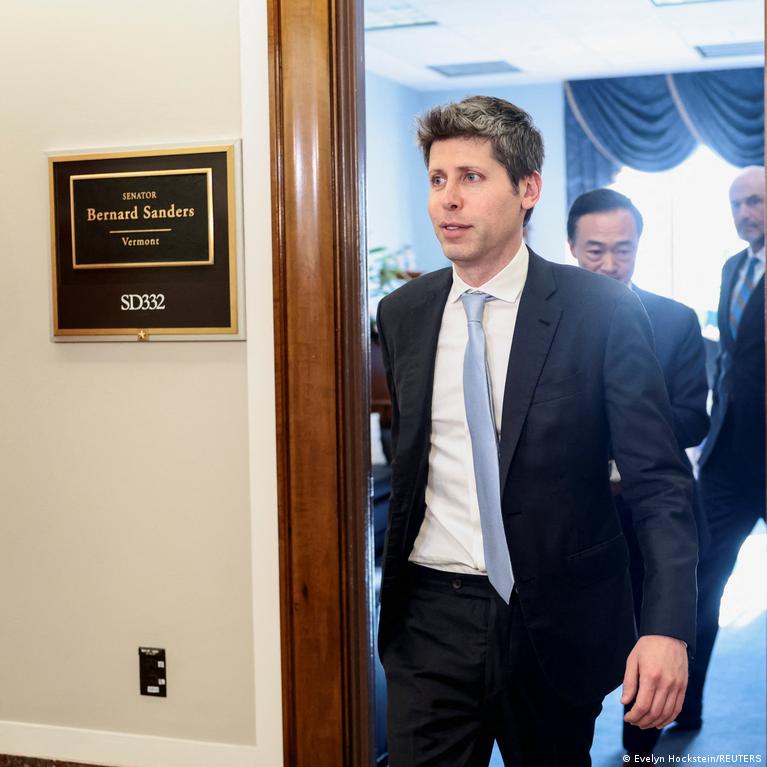
OpenAI Files for IPO as AI Companies Race to Go Public
OpenAI announced it has filed IPO paperwork with the SEC, potentially targeting a valuation up to $1 trillion with a possible debut as early as September. The move follows similar filings by rival Anthropic and comes as SpaceX prepares for what could be the largest IPO on record. The announcements reflect intense competition in the AI sector and companies' need to raise capital to fund expensive AI development.

Saudi Arabia and Russia Deepen Energy Alliance as OPEC Weakens
Saudi Arabia and Russia are strengthening their energy partnership through OPEC+ and direct coordination as the traditional OPEC cartel faces internal divisions and member departures. The UAE's exit from OPEC in May 2024 and the rise of US shale oil production have reduced the cartel's influence over global oil markets. This realignment reflects both countries' efforts to maintain pricing power and geopolitical relevance amid Western sanctions on Russia and shifting global energy dynamics.

Billions in Dormant Bank Accounts Sit Unclaimed in Germany
Germany has an estimated €4.2 billion to €9 billion sitting in dormant or forgotten bank accounts across financial institutions, with no central registry to help owners or heirs locate them. The lack of a legal framework and strict data protection rules have made it difficult for banks to identify account holders, while heirs face a time-consuming process to search for assets. The German government is drafting legislation to create a central online register, with public support for unused funds to go toward social projects rather than banks or the state.