Waymo Launches $29.99 Monthly Premier Subscription Tier for Frequent Riders

Waymo has introduced a new invite-only membership program called Waymo Premier, priced at $29.99 per month, offering perks such as priority pickups, 10% cash back in app credits, up to five free cancellations monthly, and early access to new cities. The program is initially available to select riders in San Francisco, Los Angeles, and Phoenix — Waymo's most established markets — and does not apply in Austin or Atlanta, where rides are booked through Uber. The launch signals Waymo's effort to build a direct revenue stream and lock in loyal customers as it pursues aggressive expansion to roughly 20 cities by end of 2026.
Waymo, the Alphabet-owned autonomous vehicle company, announced Thursday the launch of Waymo Premier, a $29.99-per-month subscription tier targeting its most frequent riders. The invite-only program initially covers San Francisco, Los Angeles, and Phoenix, with plans to expand to additional cities where the Waymo app is available. Benefits include prioritized vehicle matching, 10% back in 'Waymo Cash' loyalty credits on every trip (with higher rates during busy periods), up to five free cancellations per month, and early access to Waymo service in newly launched markets. The program is not available in Austin or Atlanta, where Waymo operates exclusively through the Uber app. The subscription launch comes as Waymo prepares for international expansion — including a planned London launch later in 2025 — and as it rolls out its new Zeekr-built electric minivan, called 'Ojai,' in its core markets. Analysts and observers have noted the program is priced at roughly three times the cost of competing loyalty programs like Uber One ($9.99/month) and Lyft Pink ($10/month), though Waymo's base fares are also higher than traditional ride-hail services. The move is seen as an effort to diversify revenue as Waymo's parent company, Alphabet, reported a widening loss of $2.1 billion in its Other Bets segment in Q1 2025, and as Waymo continues to deploy the $16 billion it raised in a February 2025 funding round that valued the company at $126 billion.
Data: CNBC
What's missing
It is unclear how Waymo Cash credits can be redeemed or whether they expire, and no source specifies the exact criteria Waymo uses to select which riders receive invitations to the program.
How coverage differed
Engadget framed the subscription as a poor value proposition, directly comparing it unfavorably to Uber One and Lyft Pink and questioning Waymo's safety record, while outlets like CNBC, TechCrunch, and The Verge presented the launch more neutrally as a strategic business move, with The Verge mildly questioning whether Waymo is 'jumping the gun' given its limited city footprint.
What different sources said
- EngadgetCenter
Waymo's monthly membership seems like a bad deal
- The VergeLeft
Waymo introduces $30-a-month premium tier for riders who want faster pickups
- Business InsiderLeft
Waymo is sharpening its stand-alone business with a $30 monthly subscription
- CNBCCenter
Waymo launches premier subscription tier for $29.99 a month, starting in select cities
- TechCrunchCenter
Waymo launches a loyalty program with 10% cash back and free cancellations
- Hacker NewsCenter
Waymo Premier
- The Wall Street JournalCenter
Exclusive | Waymo Readies First National Ads as Rivals and Critics Proliferate
- Yahoo FinanceCenter
Waymo Is Doubling Down on Self-Driving Car Ambitions. What That Means for GOOGL Stock.
Related

Samsung Galaxy S25 and S25 FE See Significant Price Cuts
Samsung's Galaxy S25 and Galaxy S25 FE smartphones are currently available at notably reduced prices, with the S25 FE dropping $201 (33%) to $449 on Woot for a limited time. The price reductions come amid a competitive smartphone market and ahead of anticipated future Samsung releases. The discounts make previously premium-priced devices more accessible to budget-conscious consumers.

Anthropic Disables Fable 5 and Mythos 5 AI Models Globally After US Government Export Control Order
Anthropic has suspended all public access to its two most advanced AI models, Fable 5 and Mythos 5, after the US Commerce Department issued an export control directive ordering the company to block foreign nationals from accessing them on national security grounds. The order came just three days after Fable 5's public launch and reportedly stems from government concerns about a potential jailbreak that could enable the models to assist with cyberattacks, though Anthropic says it received only verbal evidence of a narrow, non-universal vulnerability. The shutdown affects all customers globally — including enterprise users and Anthropic employees — and marks a significant escalation of US efforts to restrict foreign access to advanced AI models themselves, rather than just the chips that power them.
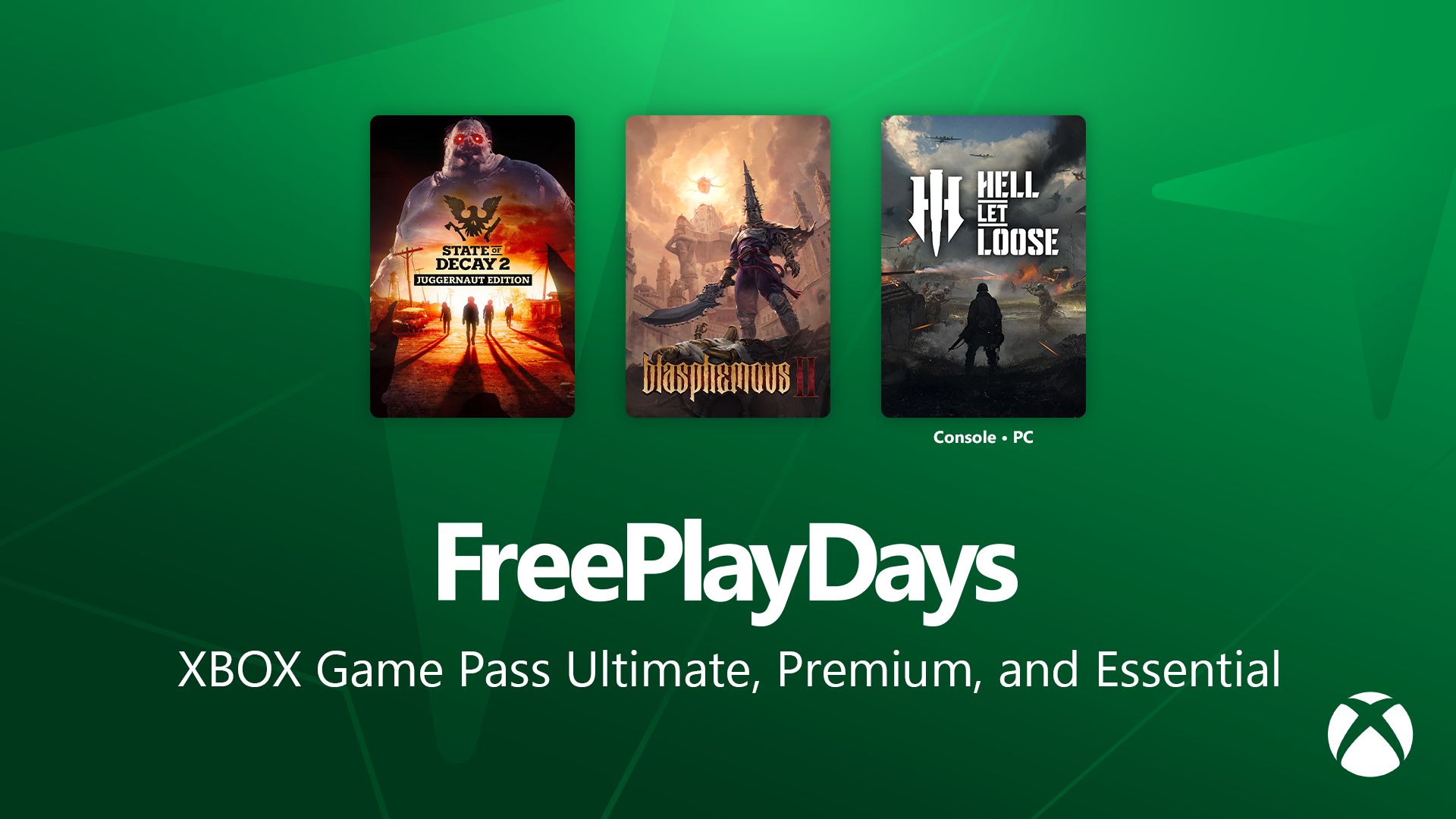
Xbox Free Play Days Offers Three Games Free to Play June 11–14
Microsoft's Xbox Free Play Days program is offering Hell Let Loose, State of Decay 2: Juggernaut Edition, and Blasphemous 2 at no cost from June 11 to June 14. Hell Let Loose requires an Xbox Game Pass Ultimate, Premium, or Essential membership, while State of Decay 2 and Blasphemous 2 (via a five-hour timed trial) are accessible to all Xbox console owners. Players who wish to keep any of the games can purchase them at a limited-time discount and retain any achievements earned during the free period.