USPS Proposes Rule Requiring States to Share Mail-In Voter Lists
The U.S. Postal Service has proposed a rule that would require states to submit detailed voter lists and ballot barcodes to the federal government as a condition of receiving mail-in ballot delivery services. The proposal implements a March 2026 Trump executive order seeking to tighten federal oversight of mail-in voting, and comes as 23 Democratic-led states and Washington, D.C., are already suing over the order. The rule could affect tens of millions of voters who cast ballots by mail, particularly in states like California, Oregon, Washington, and Colorado that conduct elections almost entirely by mail.
The U.S. Postal Service released a proposed rule on May 29, 2026, that would create a 'Mail-In and Absentee Participation List' system requiring states to submit names, addresses, and unique ballot barcodes for every mail voter before USPS will deliver their ballots. The proposal operationalizes a March 2026 executive order signed by President Trump directing federal agencies to assert greater control over election administration, which critics argue unconstitutionally shifts power over elections from states to the executive branch. More than 48 million Americans voted by mail in the 2024 election, and eight states plus D.C. now conduct elections largely or entirely by mail, meaning any disruption could affect the core mechanism of voting in those jurisdictions. A federal judge declined to issue a preliminary injunction against the underlying executive order, ruling challenges were premature, but the D.C. Circuit Court of Appeals has since expedited an appeal with briefing scheduled through early July and oral arguments to follow. State election officials and postal unions have raised both constitutional and practical objections, noting that the digital portal USPS would need to receive voter data does not yet exist, and that the agency lacks clear funding to build it. Critics also contend the voter-list requirement is effectively a backdoor attempt to obtain voter data after courts have blocked Justice Department demands for the same information in eight separate rulings.
What's missing
The articles do not detail what specific penalties or legal mechanisms USPS would use to enforce non-delivery, nor do they clarify the formal rulemaking timeline before any rule could be finalized or the public comment period's deadline.
How coverage differed
The Washington Examiner framed the USPS proposal primarily as a straightforward implementation of Trump's election-integrity agenda, emphasizing the legal setback for Democratic challengers. CNN and the New York Times framed the rule as an unprecedented and potentially disenfranchising federal intrusion into state-run elections, giving prominent voice to state officials, voting-rights advocates, and postal union leaders warning of harm to voters.
What different sources said
Postal Service Issues Proposal to Block Mail Ballots in States That Don’t Turn Over Data
- Washington ExaminerRight
USPS to stop delivering mail-in ballots in states that don’t hand over their voter rolls
- CNN WorldCenter
Postal Service won’t deliver mail ballots for states that don’t hand over voter lists, under plan for Trump directive
- NewsweekCenter
The States That Could Clash With USPS Over Mail-In Ballots
- Democracy DocketCenter
In hopeful sign for mail-in voting, court fast tracks bid to block Trump order
Related

Workers Begin Removing Trump's Name from Kennedy Center Facade After Court-Ordered Deadline
Workers started stripping President Trump's name from the exterior of the Kennedy Center in Washington overnight Friday into Saturday, hours past a court-ordered deadline of 11:59 p.m. Friday. The delay was attributed to nearby thunderstorms, and the Kennedy Center's board sought a 12-hour extension, which U.S. District Judge Christopher Cooper had already denied after rejecting the board's last-minute attempt to halt the order. The removal marks a significant legal rebuke of the Trump administration's effort to rename the historic performing arts venue, with a court ruling that only Congress has the authority to change the Kennedy Center's name.
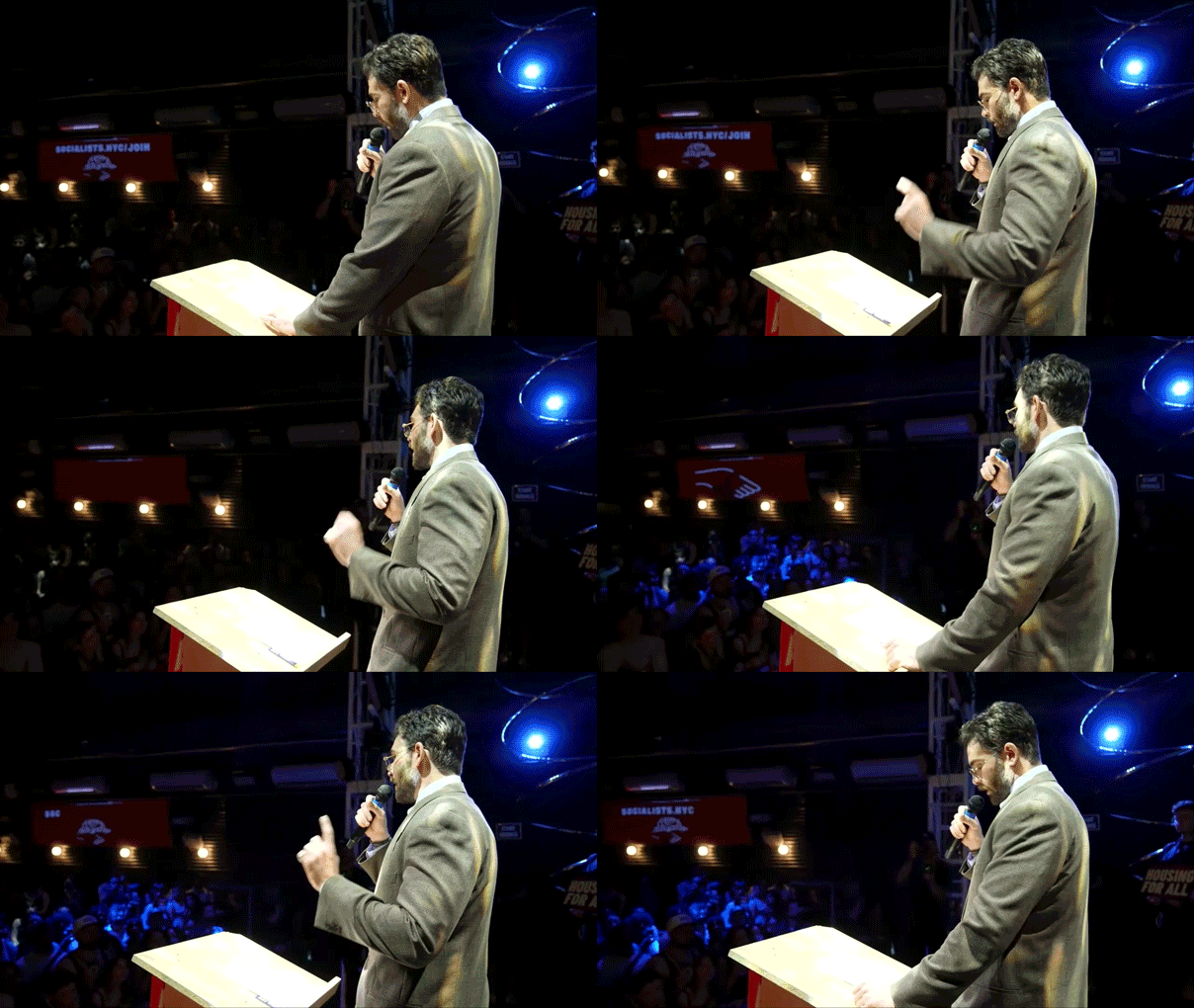
Hasan Piker Campaigns for DSA-Backed NYC Candidates, Sparking Debate Over Democratic Party Direction
Twitch streamer Hasan Piker rallied in Brooklyn for two Democratic Socialist of America-endorsed congressional candidates ahead of New York's June 23 primary, declaring the country is 'closer than ever' to socialism. The appearances come amid a broader debate within the Democratic Party over whether to embrace or distance itself from Piker, whose pro-Palestinian views and provocative statements have made him a polarizing figure. The controversy highlights a growing tension between the party's centrist establishment and its increasingly left-leaning base, particularly on foreign policy.
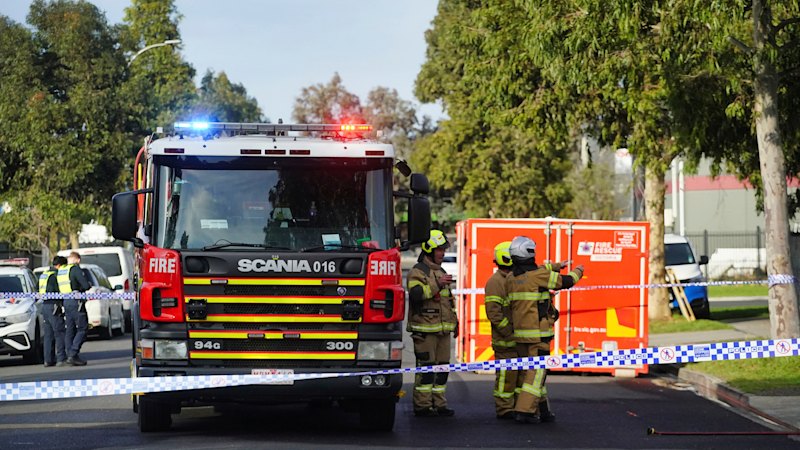
Fire Rescue Victoria Has Missed Emergency Response Targets Every Year Since 2020, With Outer Suburbs Worst Affected
Fire Rescue Victoria (FRV) has failed to meet its target of responding to 90 per cent of structural fires within seven minutes and 42 seconds in every year since its formation in 2020, with outer suburban areas recording the worst performance. The shortfall has come into sharp focus following the death of three-year-old Jordan Dashwood in a Werribee house fire this month, where the nearest FRV truck was committed to another incident and the first responders arrived well outside the benchmark time. The findings raise serious questions about whether the 2020 fire services restructure has been adequately resourced to protect Melbourne's rapidly growing outer suburbs.