US Territories Lack Voting Representation in Congress Due to 1901 Supreme Court Decisions
Approximately 3.6 million Americans living in US territories like Puerto Rico and Guam cannot vote in presidential elections or have senators, despite being US citizens. This exclusion stems from the Insular Cases, a series of 1901 Supreme Court decisions that classified these territories as belonging to but not being part of the United States. The ruling was explicitly tied to racial discrimination, with justices arguing that non-white populations were incapable of participating in American democracy.
Following the Spanish-American War in 1898, the United States acquired vast territories from Spain, suddenly incorporating 8 million new residents thousands of miles from the mainland. This created a constitutional crisis: what political status should these residents have? The Supreme Court resolved this through the Insular Cases (1901 onwards), distinguishing between "incorporated" territories destined for statehood and "unincorporated" territories like Puerto Rico and Guam that would never achieve statehood. The Court decided these territories belonged to the US but were not part of it, placing 8 million residents outside the Constitution's protections. The decision was explicitly motivated by racial discrimination, with justices arguing that populations "differing from us in religion, customs, laws" and described as "alien races" were incapable of self-governance. Congress overwhelmingly opposed statehood for these territories, citing the racial and cultural inferiority of their populations. This 125-year-old legal framework continues to shape American democracy today, leaving millions of US citizens without full democratic participation.
What different sources said
- The ConversationCenter
US territories have a voice in Congress but no vote – here’s why
Related
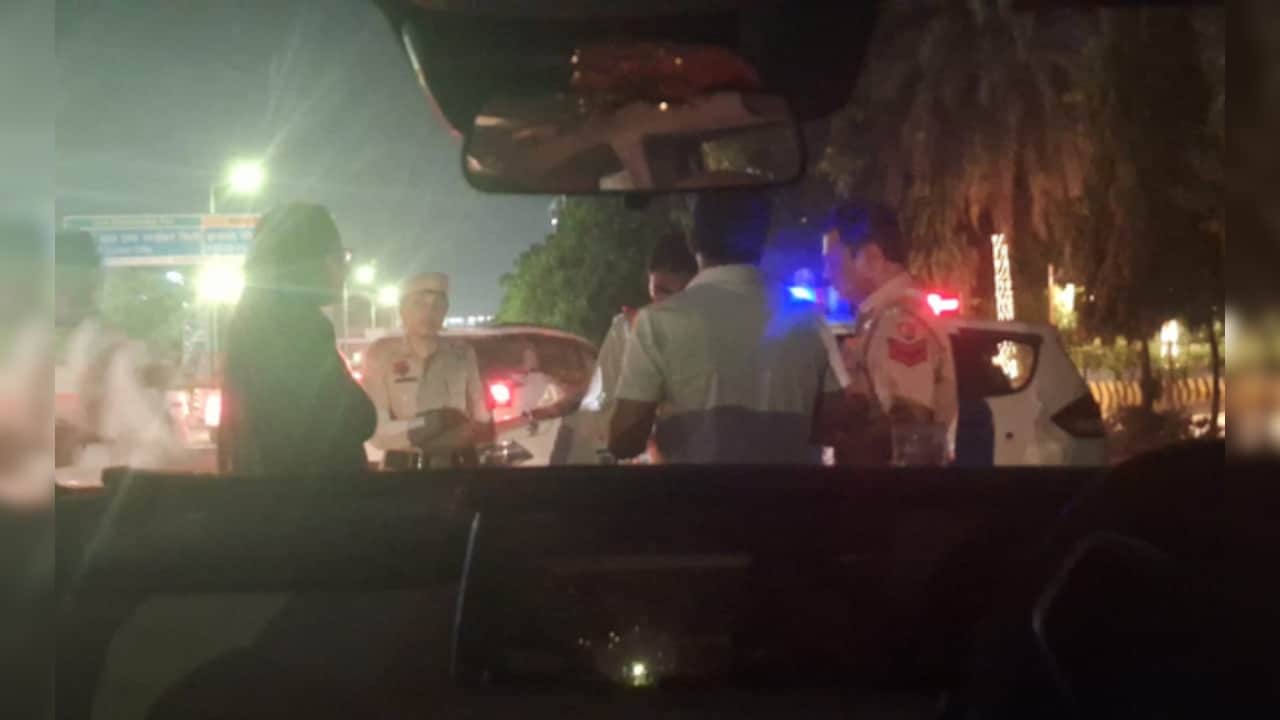
Gurugram Police Clear Traffic Officers in Drunk-Driving Checkpoint Complaint by Army Veteran
A retired army officer filed a complaint alleging that Gurugram traffic police misbehaved with him and his family during a drunk-driving checkpoint on June 6, claiming he was subjected to an improperly conducted breathalyzer test. Police authorities conducted a preliminary investigation and found no evidence of misconduct, stating body-worn camera footage showed the officer properly issued a challan based on an alcohol sensor reading of 91 mg/100 ml. The case highlights tensions between citizen complaints and police procedures, with the investigation ongoing under traffic department supervision.

Mace endorses Wilson in South Carolina GOP gubernatorial primary after losing initial vote
Rep. Nancy Mace endorsed South Carolina Attorney General Alan Wilson for governor after losing the initial GOP primary on Tuesday. Mace cited her preference for a law-and-order candidate in making her endorsement. The endorsement could influence the trajectory of South Carolina's Republican gubernatorial race.
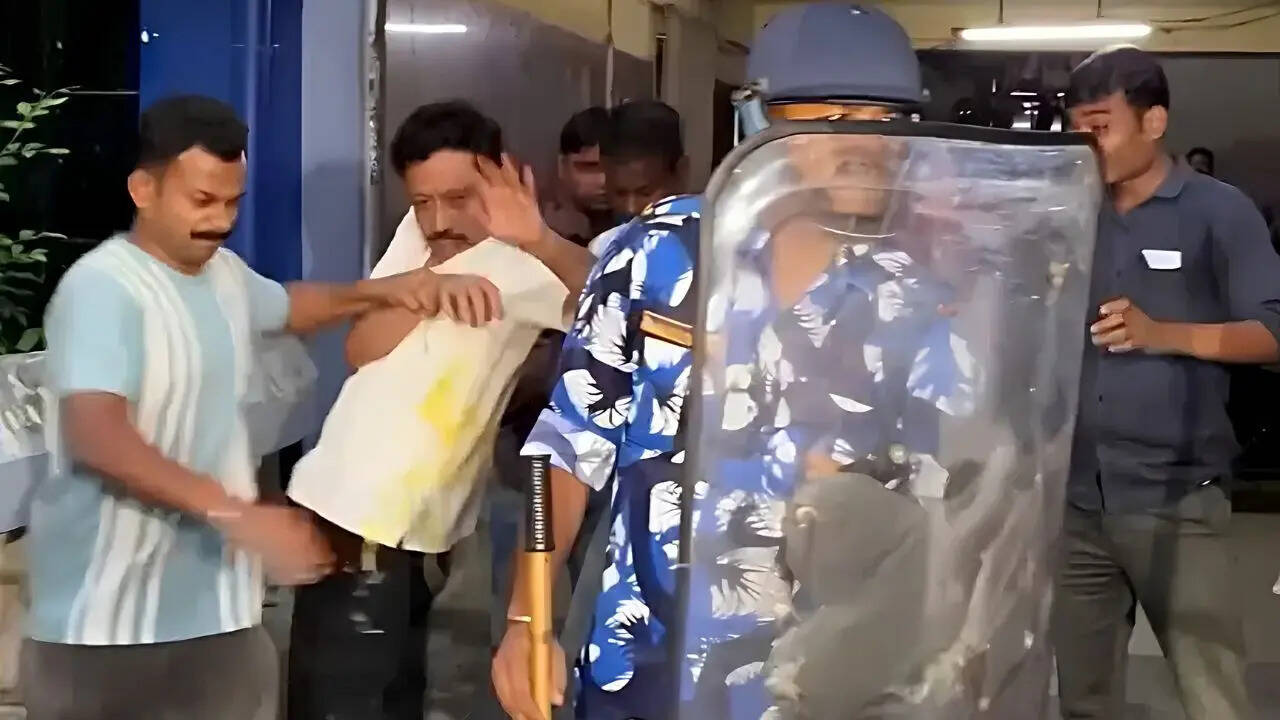
Former TMC MLA Sabyasachi Dutta Arrested on Extortion Charges, Pelted with Eggs and Cow Dung
Sabyasachi Dutta, a former Trinamool Congress MLA and Bidhannagar Municipal Corporation chairperson, was arrested on Tuesday on extortion charges after a businessman alleged Dutta demanded Rs 1 crore from him in 2018. Dutta denied the allegations and his lawyers challenged the arrest's legality, noting the FIR was filed after his detention. The arrest drew public anger, with crowds pelting him with eggs, cow dung, and tomatoes as he was transported to court.