US Stock Market Gains Heavily Dependent on AI Sector, Raising Concentration Risk
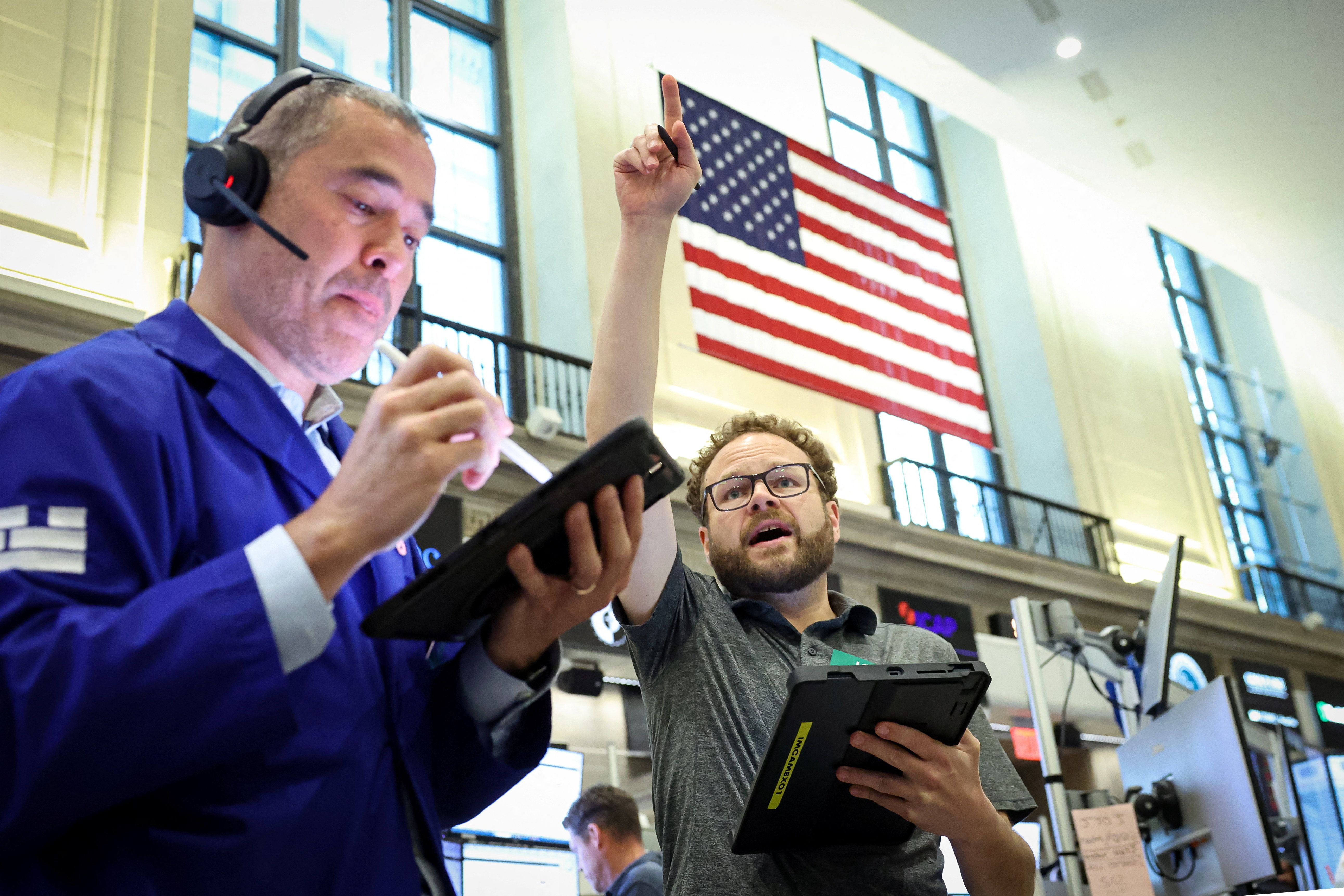
US stocks reached fresh highs on Tuesday, driven primarily by technology companies and AI-related investments, despite geopolitical tensions and energy market volatility. Market strategists warn that the concentration of gains in the AI sector masks weakness in broader markets and that companies have yet to demonstrate actual returns on their AI investments. This narrow reliance on a single sector narrative creates elevated risk if AI enthusiasm cools or fails to deliver promised profits.
US stock indexes hit new highs on Tuesday as technology companies, particularly those focused on artificial intelligence, led market gains. However, market analysts caution that this strength masks significant underlying weakness in non-AI sectors. Goldman Sachs' CEO noted that market sentiment remains greedy despite geopolitical headwinds and energy market instability. A key concern raised by market strategists is that both profit expectations and market narratives are concentrated on the same narrow AI pillar, creating vulnerability. Goldman's head of equity research emphasized that while AI investments may eventually generate returns, companies have not yet demonstrated actual profitability from these initiatives, meaning the stakes for the AI narrative's continued dominance are particularly high.
What's missing
The article does not provide specific data on what percentage of market gains are attributable to AI-related companies, nor does it detail which specific sectors outside AI are underperforming or by how much.
What different sources said
- SemaforCenter
US stocks increasingly rest on AI pillar
Related

U.S. Markets Stage Rebounds Following Chip Stock Selloff
U.S. markets have rebounded twice following a dramatic Friday selloff in chip stocks, with gains at Monday's open and Tuesday afternoon. The Nasdaq 100 remains down 4.25% for the month despite the recoveries, and volatility has increased sharply. The pattern reflects the market's traditional 'buy the dip' behavior as investors resist giving up recent gains.
Japan's 30-Year Bond Auction Sees Weakest Demand in Over a Year
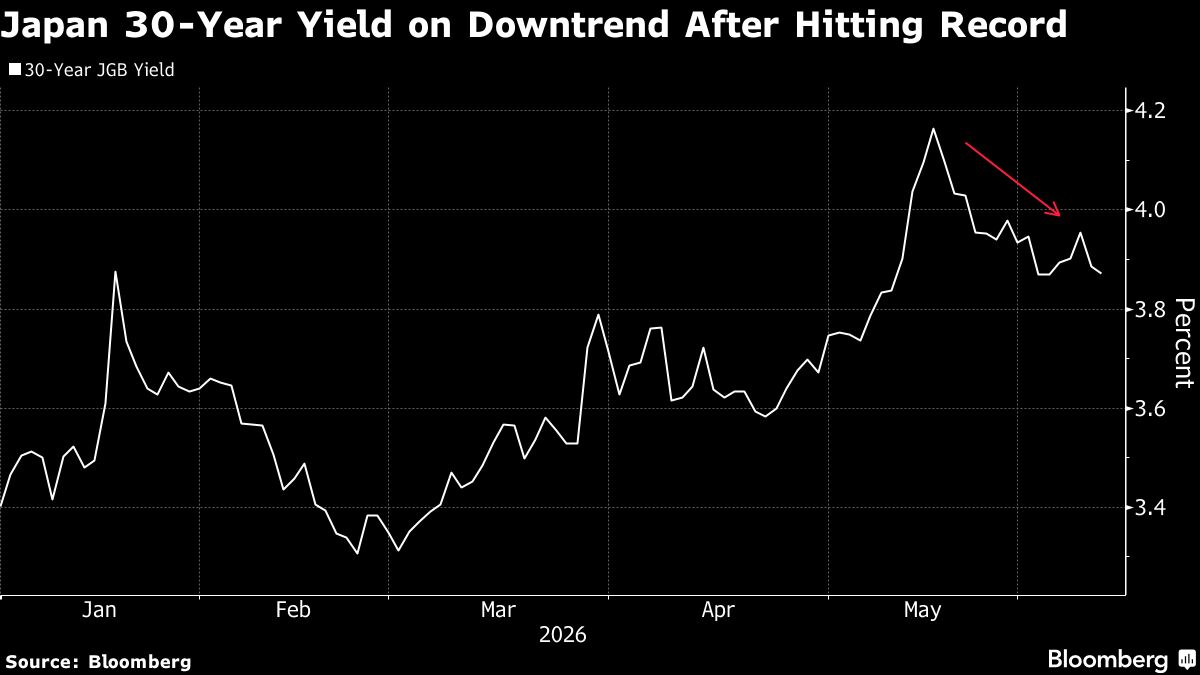
Japan's 30-year government bond auction on June 10, 2026 attracted the weakest demand since June 2025, with a bid-to-cover ratio of 2.94 compared to the previous 3.49. The decline reflects investor concerns over inflation and fiscal policy, as well as falling yields reducing appetite for the bonds. Weak bond demand can signal investor anxiety about Japan's economic outlook and fiscal sustainability.
HKEx CEO Bonnie Chan Calls Potential SpaceX Listing an 'Exciting Deal'
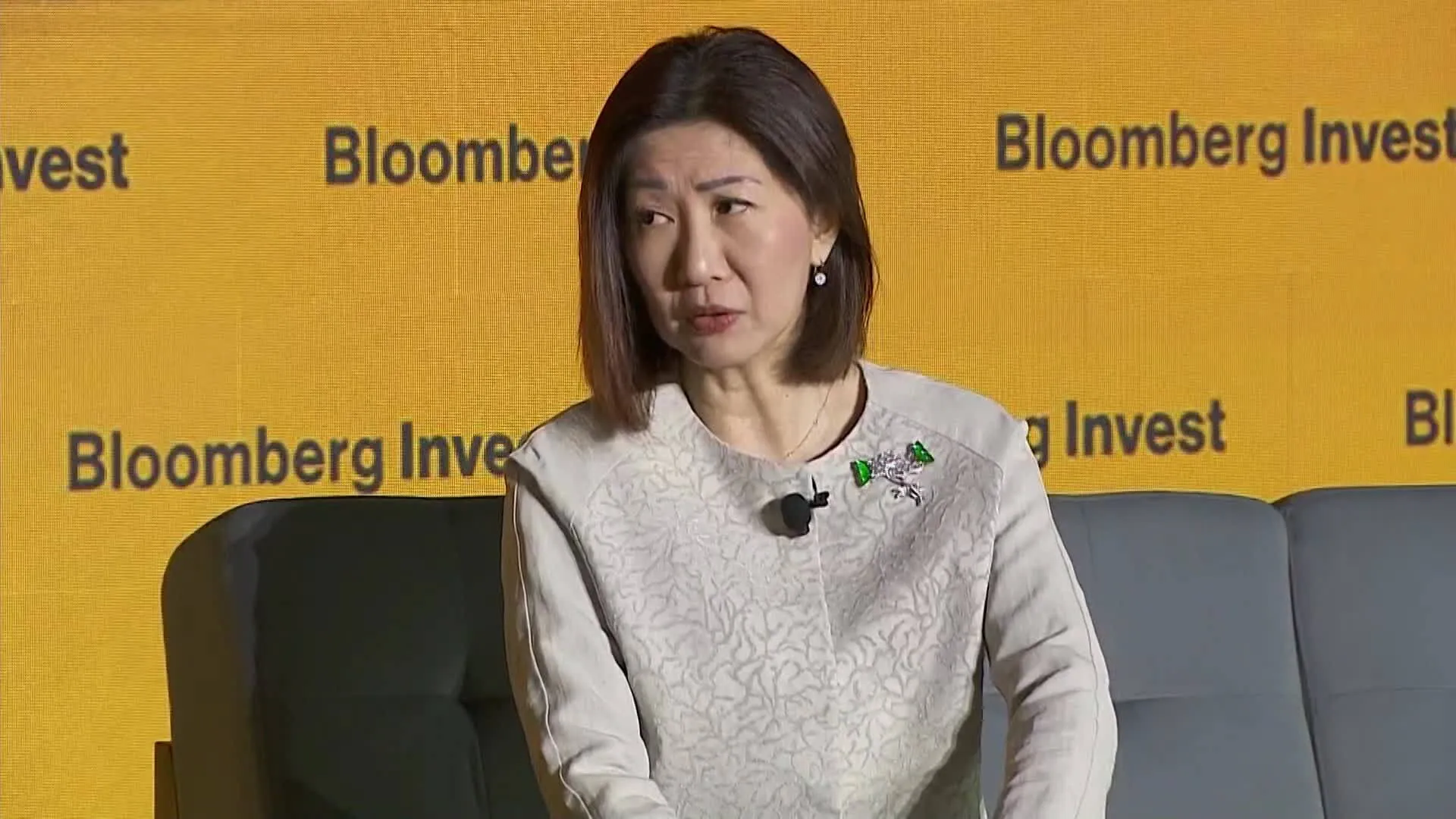
Hong Kong Exchanges and Clearing (HKEx) CEO Bonnie Chan expressed enthusiasm about a potential SpaceX listing, describing it as an exciting opportunity. Chan highlighted that Chinese supply chains have broad coverage relevant to such a deal. The statement suggests HKEx's interest in attracting major space industry companies to its exchange.