US Proposes New Tariffs on Major Trading Partners Over Forced Labor Concerns
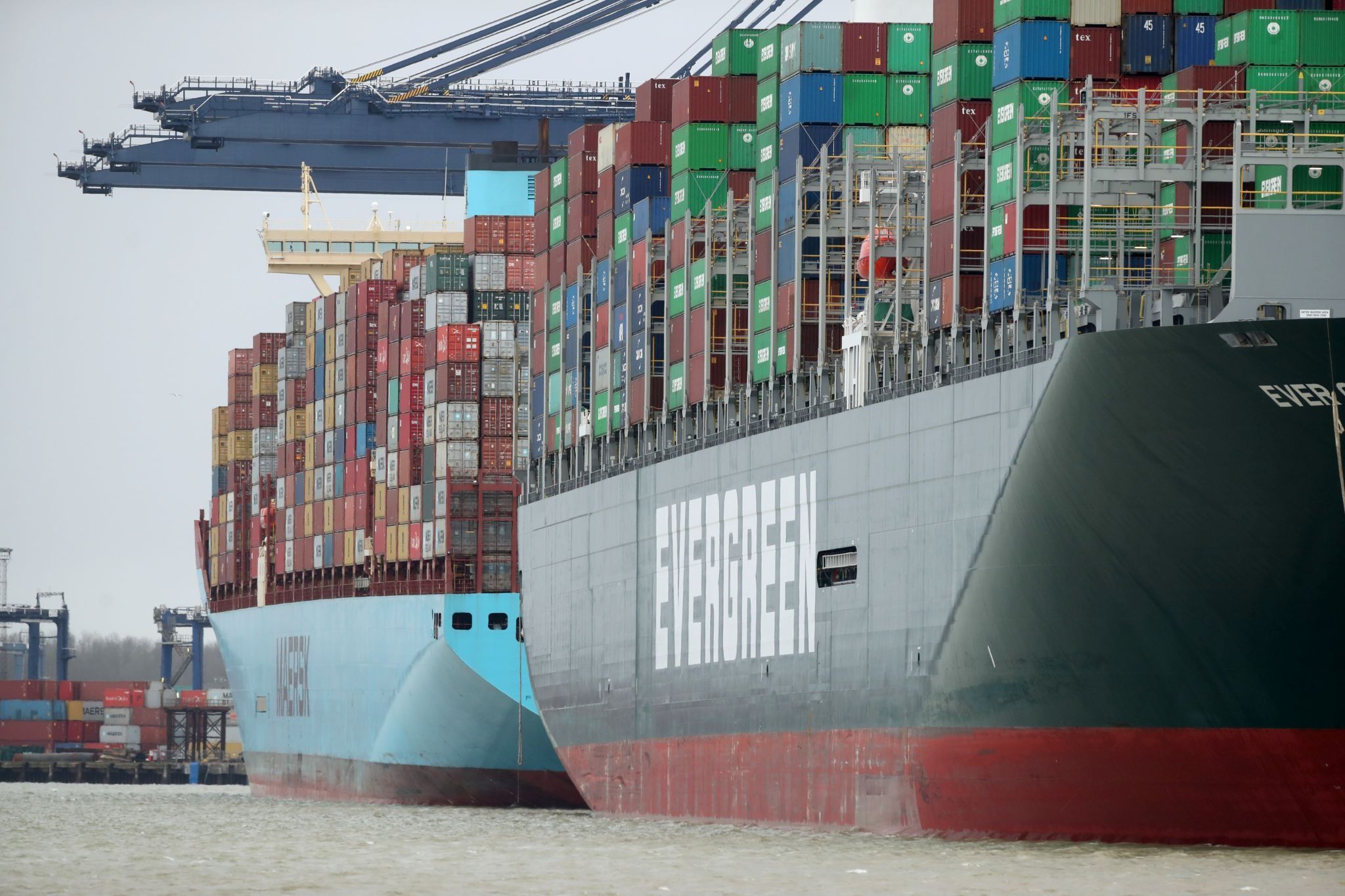
The Trump administration has proposed additional tariffs of 10–12.5% on roughly 60 countries and the EU, citing their alleged failure to enforce bans on imports made with forced labor under Section 301 of the Trade Act of 1974. The move follows the Supreme Court's invalidation of Trump's broader IEEPA-based tariffs and is widely seen as an alternative legal pathway to rebuild the administration's tariff regime. The proposal faces likely legal challenges over its novel legal theories, while Canada has already responded by tabling new forced labor import legislation.
The U.S. Trade Representative's office, led by Ambassador Jamieson Greer, released a report proposing 10% additional tariffs on countries including Canada, Mexico, the UK, and Taiwan, and 12.5% tariffs on China, Japan, India, South Korea, Brazil, and Switzerland, among others, for allegedly failing to prevent imports of goods produced with forced labor. The action is grounded in Section 301 of the Trade Act of 1974 and represents a deliberate effort by the administration to establish a legally defensible tariff framework after the Supreme Court struck down its IEEPA-based tariffs earlier this year. The ILO estimates 27.6 million people are currently engaged in forced labor globally, generating approximately $236 billion in illegal profits annually, with the U.S. itself accounting for a disproportionate 23% of at-risk goods imports despite representing only 13% of global imports. Legal experts have flagged the investigation's unusually compressed three-month timeline and the novel legal theory that a foreign country's mere failure to prohibit forced labor imports constitutes an 'unreasonable' trade practice, predicting near-certain judicial challenges. Canada responded swiftly by tabling Bill C-35, which would create a public list of high-risk products linked to forced labor by region and shift the burden of proof onto importers, while Prime Minister Carney acknowledged Canada has been 'less effective' in enforcing its existing framework. The proposed U.S. tariffs are not yet in effect and are subject to public comment, with hearings scheduled to begin July 7.
What's missing
The articles do not detail what specific enforcement benchmarks or thresholds the USTR used to determine that each of the 60 countries had 'failed' to enforce forced labor bans, nor do they clarify whether any countries could avoid tariffs by taking remedial action before the July 7 hearings conclude.
How coverage differed
U.S.-focused outlets (CNBC, ABC News) emphasized the legal vulnerabilities and novel legal theories behind the Section 301 tariffs, while Canadian outlets (National Post, Globe and Mail, Global News) framed the story primarily through the lens of Canada's reactive legislative response and its broader effort to appease Washington ahead of USMCA renegotiations.
What different sources said
- SemaforCenter
US proposes new tariffs
- The Globe and MailCenter
Ottawa tabling bill on forced labour after Trump threatens new tariffs
- National PostCenter
Ottawa responds to U.S. tariff threat by tabling bill on forced labour
- CNBCCenter
Trump's trade war has a new target: forced labor. The case behind it is far from simple
- ABC News PoliticsCenter
US says it plans extra tariffs of 10% or more for most trading partners after forced labor probe
- Global News CanadaCenter
Ottawa moves to crack down on forced labour products with new measures
Related
UNRWA Fires 70 Gaza Staff Members, Denies Terminations Validate Hamas Allegations
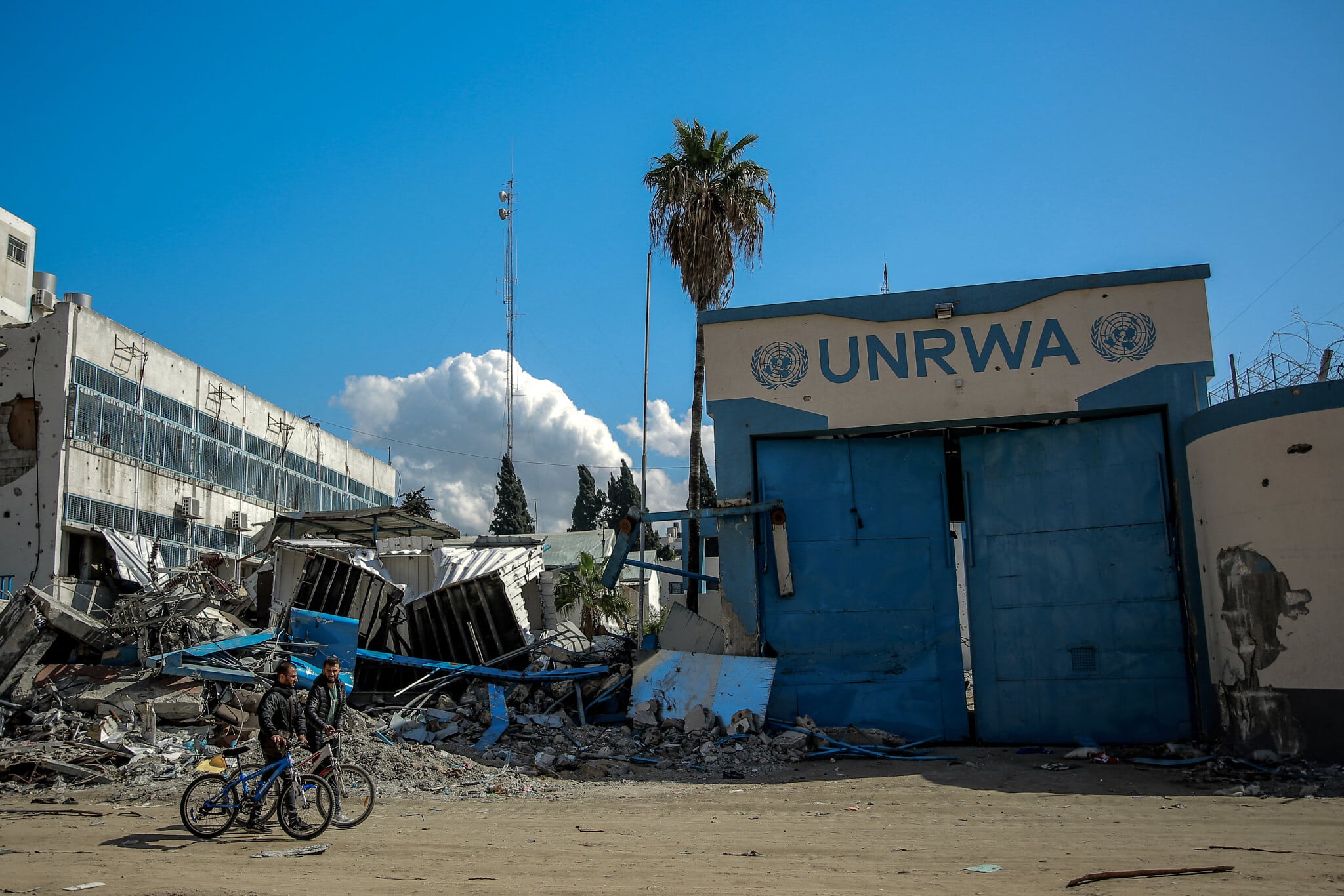
The UN agency for Palestinian refugees, UNRWA, has dismissed 70 employees in Gaza with immediate effect, citing safety and security risks. The move follows a USAID investigation that referred over 100 UNRWA staff for suspension or dismissal, and longstanding Israeli allegations that significant portions of the agency's workforce have ties to Hamas. The firings mark a significant but contested step in addressing accusations that have dogged the agency since the October 7, 2023 attacks, while UNRWA insists the dismissals are not an admission of guilt.
China's Tungsten Export Controls Ripple Through Global Supply Chains, From AI Chips to Weapons
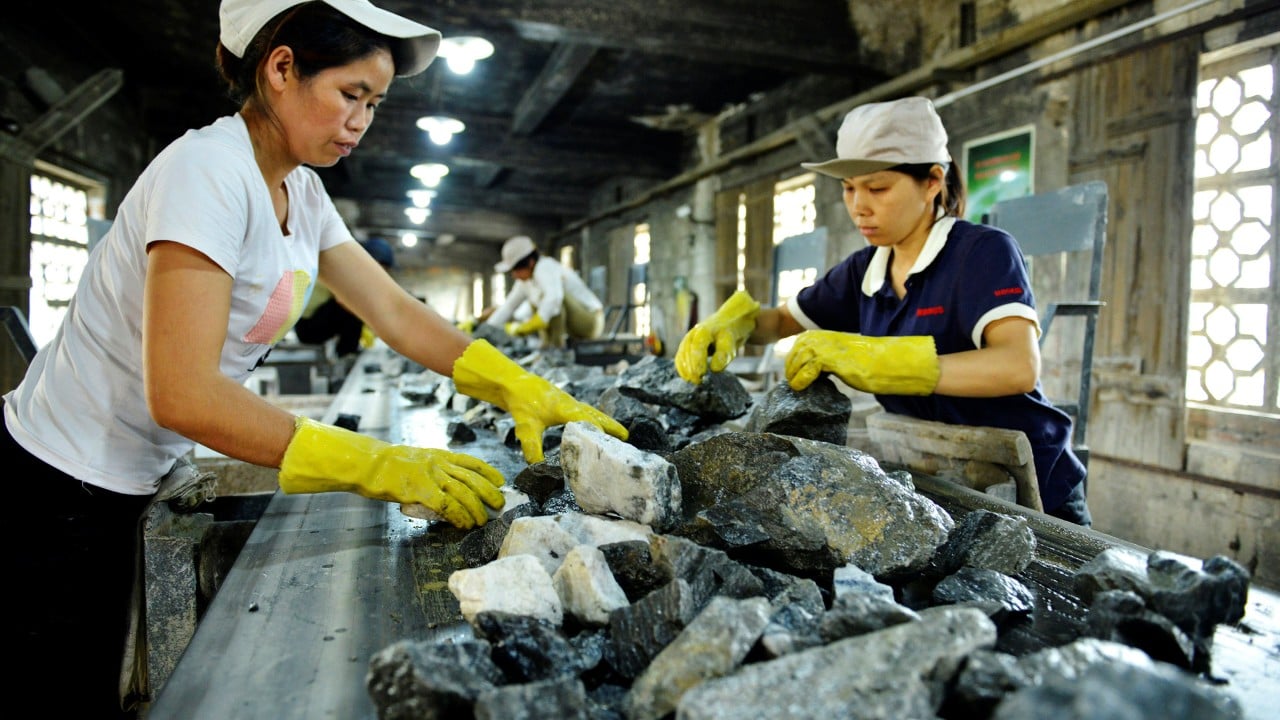
China's 2025 export restrictions on tungsten have triggered price surges, potential production halts at Japanese semiconductor gas manufacturers, and a push to revive domestic mining in the United States. Tungsten, of which China produces over 78 percent of global supply, is critical to both advanced AI chipmaking and military munitions. The disruptions are exposing deep vulnerabilities in Western and Asian supply chains for a material with few short-term substitutes.

Rain Delays Start of India vs Afghanistan 1st ODI in Dharamshala
Persistent drizzle has delayed the toss and cast doubt over the first ODI between India and Afghanistan at the Himachal Pradesh Cricket Association Stadium in Dharamshala. The meteorological department issued an orange alert for June 12 warning of thunderstorms and hail across parts of Himachal Pradesh, with a 60–70% chance of showers forecast throughout the day. The delay threatens what would have been a historically significant match — the first-ever bilateral ODI series between the two nations.