U.S. Government Shifts Toward AI Regulation After Years of Hands-Off Approach
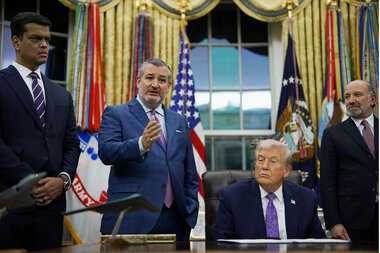
The Trump administration, Congress, and AI companies are proposing competing frameworks for federal AI oversight, marking a significant shift from the previous hands-off regulatory approach. The White House has called for voluntary 30-day model reviews, Congress introduced a bipartisan bill requiring mandatory audits, and OpenAI's CEO offered a detailed regulatory blueprint. Critics argue these proposals focus too narrowly on national security and frontier model safety while excluding voices of those most affected by AI deployment.
After years of minimal federal regulation, the U.S. government is moving toward establishing national AI oversight structures. President Trump signed an executive order requiring major AI companies to voluntarily submit cutting-edge models for 30-day government review, while a bipartisan congressional bill introduced by Representatives Jay Obernolte and Lori Trahan proposes mandatory audits and worker protections. OpenAI CEO Sam Altman has also presented a detailed regulatory blueprint. However, these proposals have drawn criticism from Democratic lawmakers and experts who contend they preempt state-level laws and focus excessively on national security concerns rather than addressing broader societal impacts. The regulatory framework ultimately adopted will affect businesses, students, and workers across the economy, making the current policy decisions consequential for decades to come.
What's missing
The article does not specify the exact date of Trump's executive order or provide details on what specific requirements the congressional bill's mandatory audits would entail. Additionally, the article mentions Trump's interest in government equity stakes in AI companies but does not elaborate on the feasibility or precedent for such arrangements.
What different sources said
The hands-off era of AI oversight is ending. What comes next?
Related
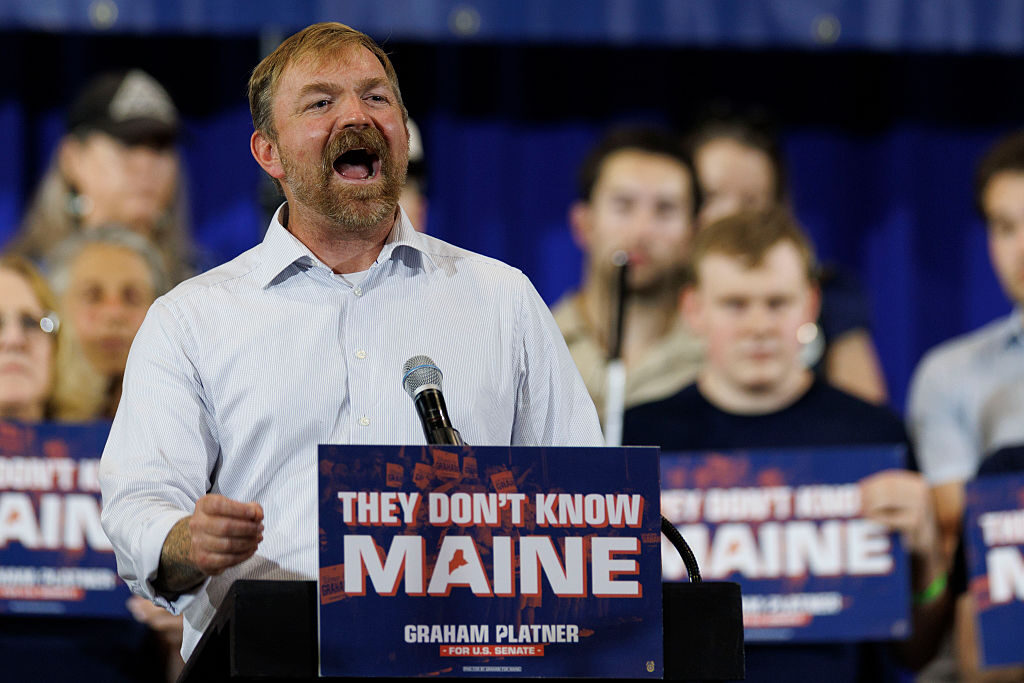
Halfway Through 2026 Primary Season: Six Key Takeaways from Congressional Races
Four more states held primaries this week, bringing the total to 26 states that have completed regular congressional primaries in the 2026 midterm cycle. Key patterns emerging include front-runners not always winning, House members struggling to advance to statewide office, and President Trump's endorsement record remaining largely successful despite low approval ratings. These trends are shaping the competitive landscape for the general election.
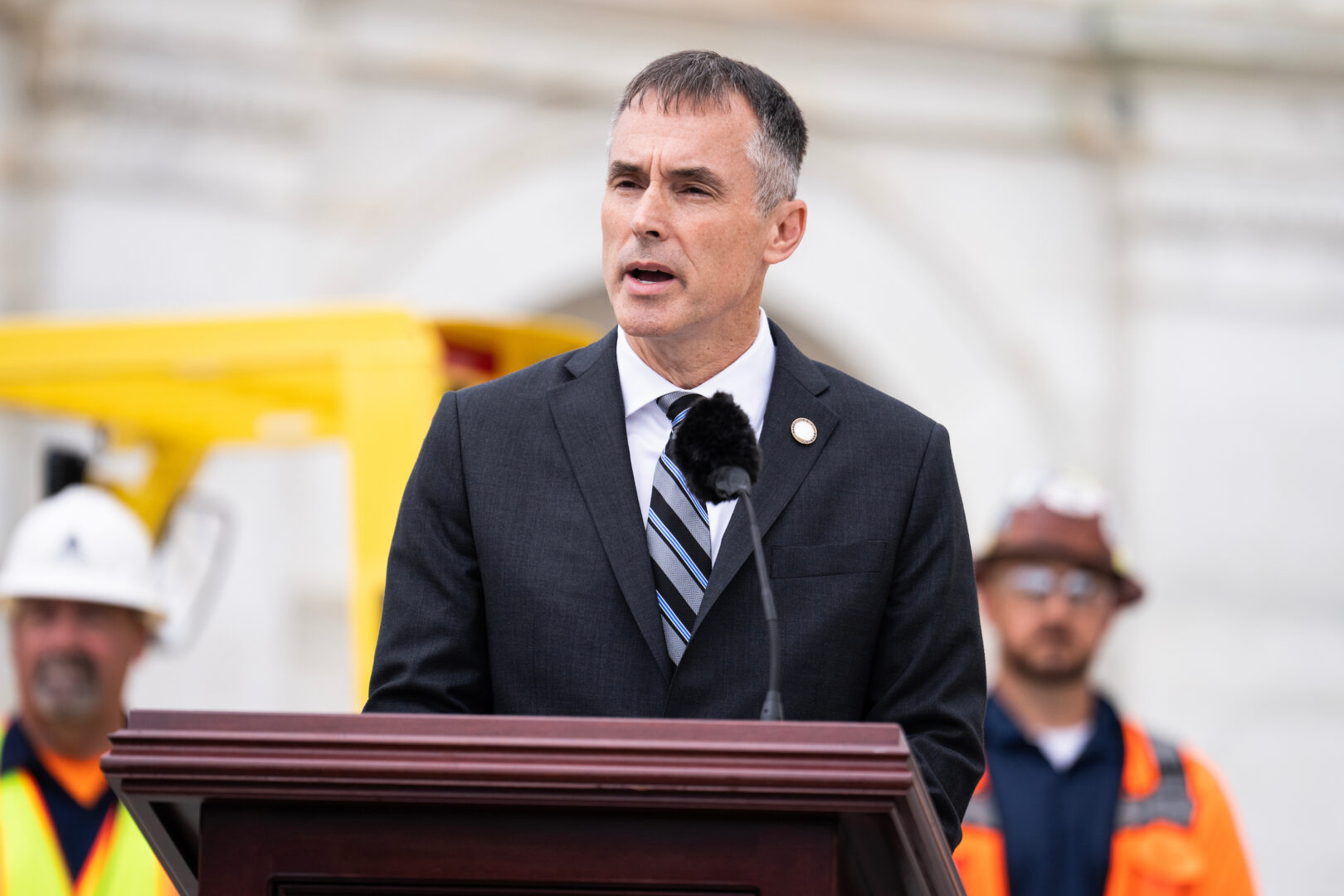
Congress Struggles to Build Support for $9 Billion Rayburn House Office Building Renovation
The Architect of the Capitol is pushing for a major renovation of the Rayburn House Office Building, which could cost $9 billion and last until 2045, but lawmakers remain hesitant to commit to the project. The building, constructed in 1965, is experiencing serious deterioration including 16 major leaks in the past year alone and risks of catastrophic system failure. The challenge reflects a broader political difficulty: Congress has historically been reluctant to fund its own infrastructure, with legislative branch spending averaging just 0.15 percent of total budget authority since 1976.

Study Finds College Faculty Lean Significantly Left, Raising Questions About Campus Ideological Diversity
A study commissioned by the Foundation for Individual Rights and Expression found that college faculty donors have an average ideology score of -1.02, comparable to Senator Bernie Sanders's -1.14, indicating strong leftward lean among faculty. The research cross-referenced over 100,000 faculty members with campaign contribution data, and separate surveys found only 20% of faculty believed a conservative scholar would be welcome in their department. The findings raise concerns about ideological diversity in higher education and its potential influence on student political attitudes.