U.S. Carries Out Strikes Against Iran Following Apache Helicopter Crash; Iran Vows Response

The U.S. military conducted strikes against Iran on June 9, 2026, after a U.S. Army Apache helicopter crashed near the Strait of Hormuz following a collision with an Iranian drone. President Trump blamed Iran for shooting down the aircraft, while Iranian officials denied intentional action and warned that foreign military presence in the region poses risks. The incident marks an escalation in U.S.-Iran tensions amid broader regional conflict.
The U.S. military launched strikes against Iran on June 9, 2026, in response to the crash of an Apache helicopter off the coast of Oman near the Strait of Hormuz. According to a U.S. official, the helicopter went down after colliding with an Iranian drone, though the intentionality of the collision remains under investigation. President Trump declared the incident an Iranian attack and stated the U.S. must respond. U.S. Central Command characterized the strikes as a "proportional response to unjustified Iranian aggression." Iranian state media reported explosions on Qeshm Island in the Strait of Hormuz. Iranian Foreign Minister Abbas Araghchi responded by warning that foreign military forces near Iranian territory "are at constant risk" and called for their withdrawal, while stating Iran "will leave no attack unanswered." The two Apache pilots were rescued by a drone boat in what was described as a first-of-its-kind operation.
What's missing
The article does not specify the extent or targets of the U.S. strikes, the number of sorties flown, or confirmed damage assessments. Additionally, the broader context of the "war" referenced between the U.S., Israel, and Iran is not detailed, nor are the circumstances that led to the helicopter patrol in the region.
What different sources said
- The HinduCenter
Iran says “will leave no attack unanswered”, as U.S. carries out strikes following crash of Army helicopter
Related

UK Government to Extend Shop Closure Powers to 12 Months Following BBC Investigation into Illegal Mini-Marts
The UK government announced new powers allowing authorities to close illegal mini-marts, barbers, and vape shops for up to 12 months, doubling the current maximum closure period of six months. The change follows a BBC News investigation exposing drug gangs, money laundering, and other organized crime linked to shops selling illegal cigarettes, vapes, and drugs on British high streets. The measure aims to give investigators more time to gather evidence and prevent rogue operators from quickly reopening, with support from Trading Standards officers who have long lacked sufficient enforcement tools.
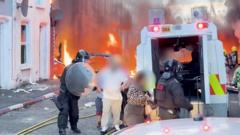
Belfast Residents Evacuate as Disorder Erupts Following Knife Attack
Residents in Belfast have been forced to flee their homes as cars and houses are set on fire following a knife attack in north Belfast on Monday night. A 30-year-old Sudanese man has been charged with attempted murder, while a victim remains hospitalized with serious injuries. The disorder has prompted police to call for calm as sporadic violence breaks out across Northern Ireland.
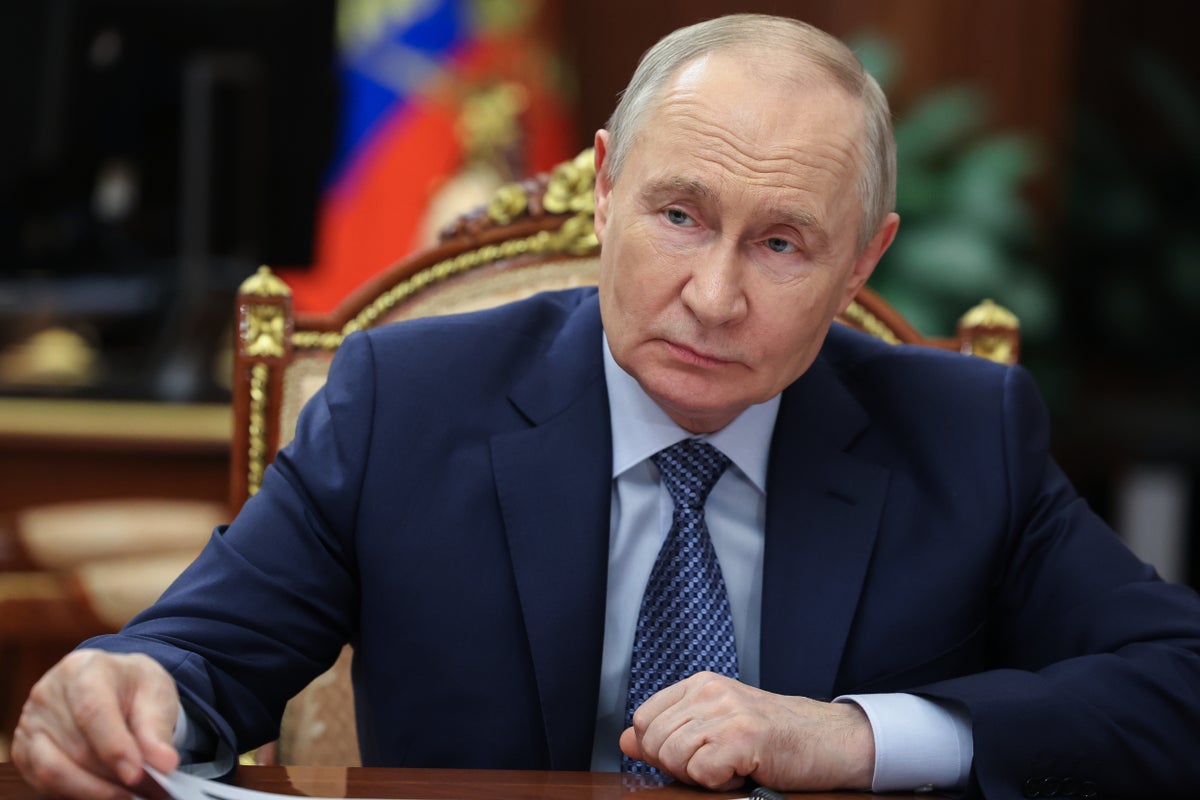
Russian General Killed in Moscow Car Bombing; Ukraine War Escalates with Drone Attacks and EU Sanctions
Damir Davydov, head of Russia's missile and artillery supply operations, was killed in a car explosion in the Moscow region on Tuesday morning, according to officials. The attack occurs amid intensifying Ukrainian drone strikes on Russian infrastructure and military leadership, though Ukraine has not claimed responsibility. The incident underscores the ongoing conflict's expansion into Russian territory and comes as the EU proposes its 21st sanctions package targeting Russian banks and military production.