US and Iran Narrow Nuclear Talks to Four Key Issues: Enrichment, Stockpiles, Site Closures, and Inspections
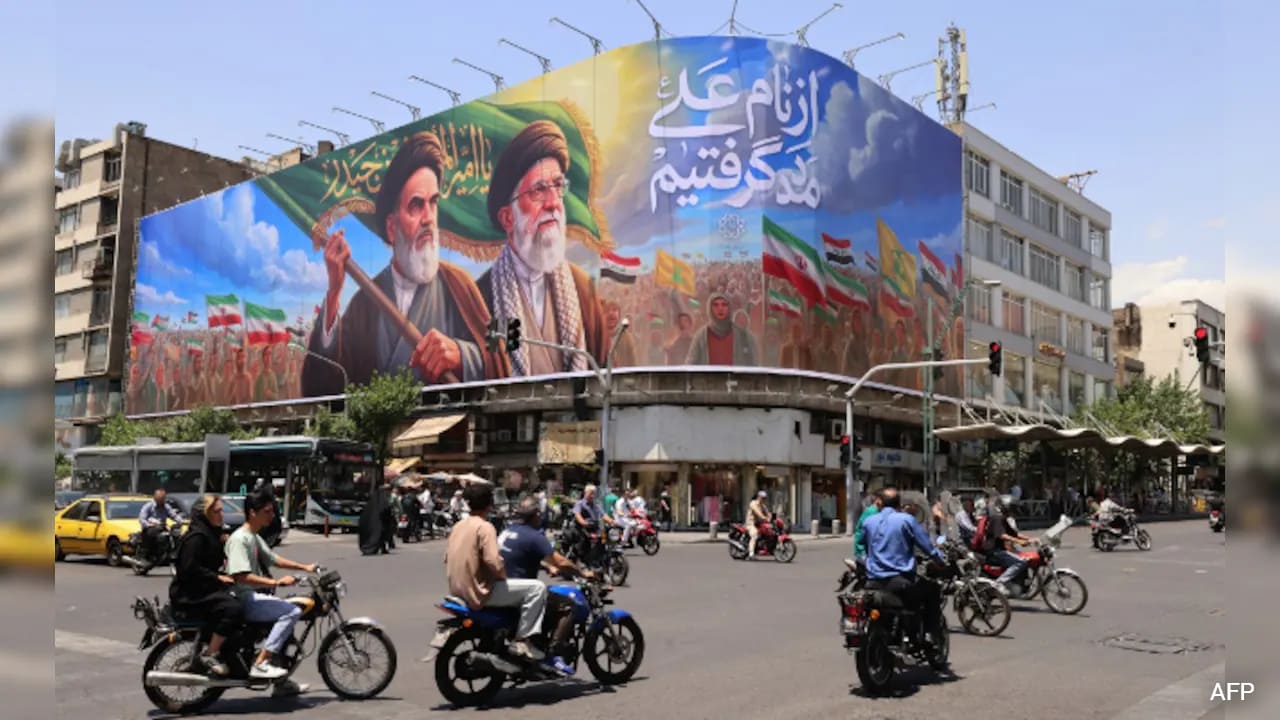
The United States and Iran are negotiating on Iran's nuclear program, with talks focused on four major issues: uranium enrichment duration, handling of enriched uranium stockpiles, closure of nuclear sites, and international inspection access. The US is seeking a 20-year enrichment ban, reduction of Iran's 11-ton enriched uranium stockpile, complete shutdown of three main nuclear sites, and unrestricted IAEA snap inspections. These negotiations represent a potential path forward despite ongoing tensions, with the outcome likely to determine whether a broader nuclear agreement is possible.
The United States and Iran are engaged in nuclear negotiations centered on four critical issues that will determine the viability of a broader agreement. First, the US seeks a 20-year pause on uranium enrichment, though Iran has proposed 10 years with potential compromise at 15 years; President Trump has indicated flexibility but uncertainty remains about accepting a 15-year deal. Second, the sides disagree on Iran's existing 11-ton stockpile of enriched uranium—the US wants it reduced or downblended under international supervision, while Iran prefers to retain control with limited outside involvement. Third, the US demands complete closure of Iran's three main nuclear sites (Natanz, Fordo, and Isfahan), but Iran has agreed to close only two, insisting on keeping one operational based on its claimed right to peaceful uranium enrichment; US officials worry that even one open site could be repurposed for weapons development, citing past experience when Iran restarted Fordo activities after the 2015 deal. Fourth, the US wants the International Atomic Energy Agency to conduct unannounced snap inspections at any suspected nuclear site, including military bases, though Iran has historically restricted inspector access to certain locations. A successful agreement incorporating all four conditions would represent a significantly stricter arrangement than the 2015 nuclear deal.
What different sources said
- NDTVCenter
Uranium Ban To Site Closures: What US Wants From Iran In Nuclear Talks
Related

Modi Becomes India's Longest-Serving Elected Prime Minister, Surpassing Nehru
Prime Minister Narendra Modi surpassed Jawaharlal Nehru's record on June 10, 2026, becoming India's longest-serving elected Prime Minister with 4,399 consecutive days in office, compared to Nehru's 4,398 days. Modi achieved this milestone after winning three successive Lok Sabha elections since taking office in May 2014, a feat previously accomplished only by Nehru. The record marks a significant political milestone in independent India's history, though Nehru remains the longest-serving PM overall when including his tenure until his death in 1964.
ACT Budget Offers Limited Cost-of-Living Relief Amid Growing Deficit
The Australian Capital Territory released its annual budget on Wednesday, removing a controversial health levy and deferring motor vehicle registration increases while introducing new food relief and housing support programs. The budget reveals a predicted deficit of $323.4 million for 2026-27, significantly worse than last year's forecast, with a return to surplus now delayed until 2028-29. The limited relief measures leave many Canberrans, including community groups like the Molonglo Juggernauts football club, facing continued financial pressure from rising costs.
ACT 2026-27 Budget: Health Levy Abolished, Stamp Duty Removed for First Home Buyers, Deficit Remains High
The ACT government released its 2026-27 budget, eliminating the controversial health levy and becoming the first Australian jurisdiction to abolish stamp duty for all first home buyers. Housing affordability is the budget's central focus, though the predicted deficit of $323.4 million remains substantial and the return to surplus has been delayed to 2028-29. The budget reflects a shift in priorities toward addressing housing stress while managing significant fiscal pressures.