Universal Basic Income Debate: Tech Leaders Propose UBI as AI Threatens Jobs

Some prominent technology leaders are proposing universal basic income (UBI) as a potential solution to job displacement caused by artificial intelligence and automation. UBI would provide regular government payments to all Americans regardless of employment or income status. The proposal raises significant questions about economic feasibility, work incentives, and how to fund such a program amid existing national debt.
As artificial intelligence and automation advance, some technology industry leaders have suggested universal basic income as a necessary response to potential widespread job displacement. UBI would provide unconditional regular payments to all Americans. Proponents argue it is an inevitable solution to technological disruption, while critics contend that historical technological revolutions—from automobiles to the internet—have consistently created new jobs even as they eliminated old ones. The debate centers on whether UBI would weaken work incentives and productivity, and on the practical question of funding: with U.S. national debt approaching $40 trillion, implementing UBI would require either significant tax increases, additional borrowing, or monetary expansion, each carrying potential economic consequences.
What's missing
The article presents one perspective on UBI but does not include statements from UBI proponents, specific proposals being discussed, pilot program results, or details about which tech leaders are advocating for the policy. No counterarguments from UBI supporters are presented.
What different sources said
- Fox NewsRight
Here's why universal basic income would be a disaster for America’s future
Related
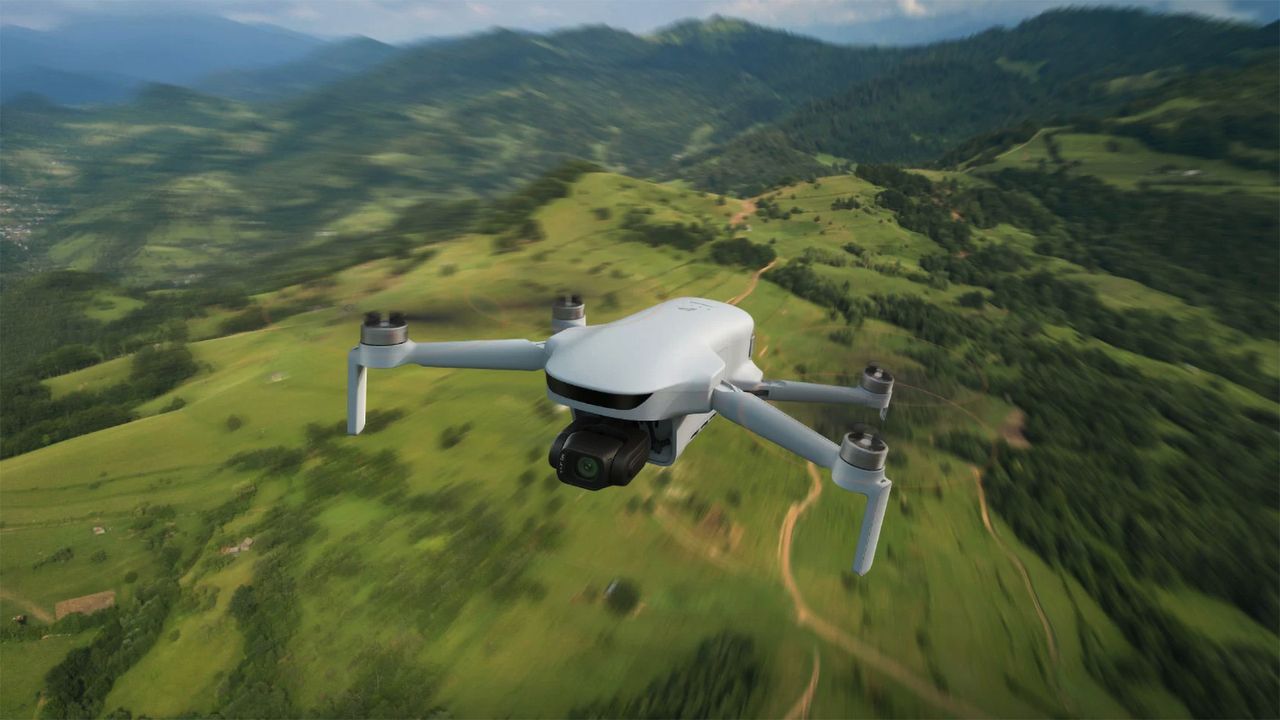
Potensic Atom 3 Drone Offers DJI Alternative for Global Markets, But Faces US Import Ban
Potensic has released the Atom 3, an upgraded beginner drone featuring a larger sensor, 4K 60fps video, improved battery life, and AI tracking capabilities at competitive pricing ($429.99-$549.99). The drone competes directly with DJI's Lito X1 but faces the same regulatory barriers as DJI in the US market due to a ban on foreign-made drones. The availability restrictions highlight ongoing US trade restrictions on Chinese drone manufacturers and limit consumer choice in the American market.

Wing and Walmart Expand Drone Delivery to Seven Additional U.S. Cities
Alphabet-owned Wing and Walmart are expanding their drone delivery partnership to seven new U.S. cities including Memphis, New Orleans, Philadelphia, Phoenix, San Diego, the San Francisco Bay Area, and Salt Lake City. The expansion is part of a plan to reach over 270 Walmart locations by next year, building on successful deployments in Atlanta, Dallas-Fort Worth, and Houston. The move signals that drone delivery is transitioning from a novelty service to a mainstream logistics option, with Wing having completed over 1 million commercial deliveries.
Anthropic CEO Calls for FAA-Style Regulation of Powerful AI Models
Anthropic CEO Dario Amodei published an essay calling for government regulation of powerful AI models, comparing the approach to FAA oversight of commercial aviation. The proposal includes mandatory third-party testing for frontier models and potential government authority to block or delay their deployment if they pose safety risks. The call comes as Anthropic released Claude Fable 5 and an updated Claude Mythos 5 model with advanced cybersecurity capabilities.