Understanding VPNs: Benefits, Limitations, and When to Use Them
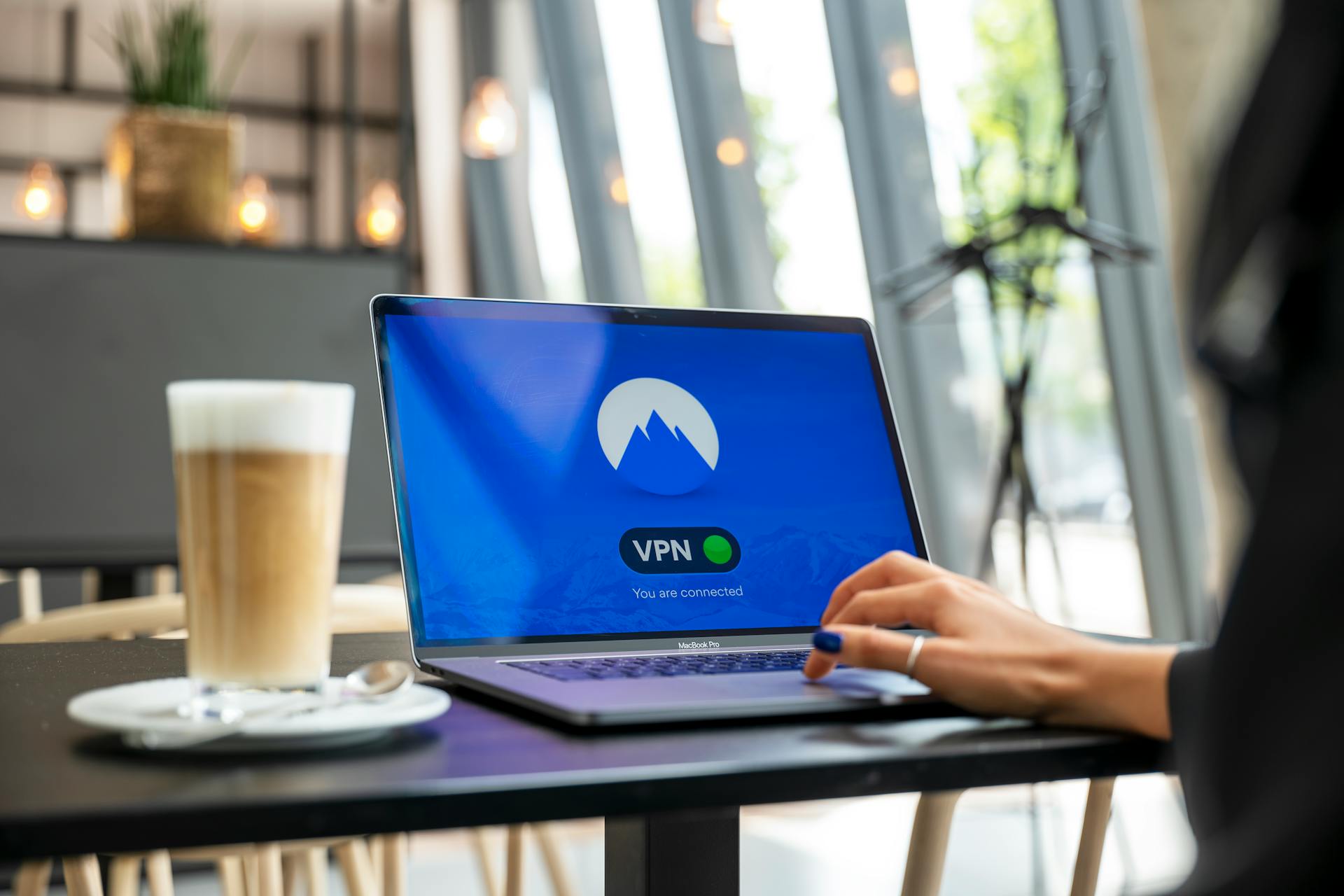
A guide examines the role of virtual private networks in protecting online privacy and security. VPNs encrypt internet traffic and mask IP addresses, offering benefits like enhanced privacy and access to region-restricted content, but they have significant limitations including potential speed reduction and data logging by some providers. Understanding both capabilities and constraints is essential for users deciding whether VPNs suit their needs.
Virtual private networks have become increasingly relevant as remote work, mobile devices, and public Wi-Fi usage grow. VPNs function by creating encrypted tunnels that route traffic through remote servers, masking users' IP addresses and locations from ISPs, advertisers, and governments. Key benefits include protecting sensitive data on public networks, enabling access to region-restricted content, and providing communication channels for activists and journalists in restrictive countries. However, VPNs have notable drawbacks: they can slow connections, require paid subscriptions with potentially rising renewal costs, and some providers log user data or monetize it through ads. Additionally, VPNs do not protect against phishing, accidental data sharing, or tracking through cookies and browser fingerprinting, nor do they work seamlessly with all devices. The article emphasizes that VPNs are most valuable for frequent travelers, digital nomads, and those in countries with internet restrictions, but are not a comprehensive privacy solution.
What different sources said
- SalonLeft
Pros and cons of using a VPN
Related
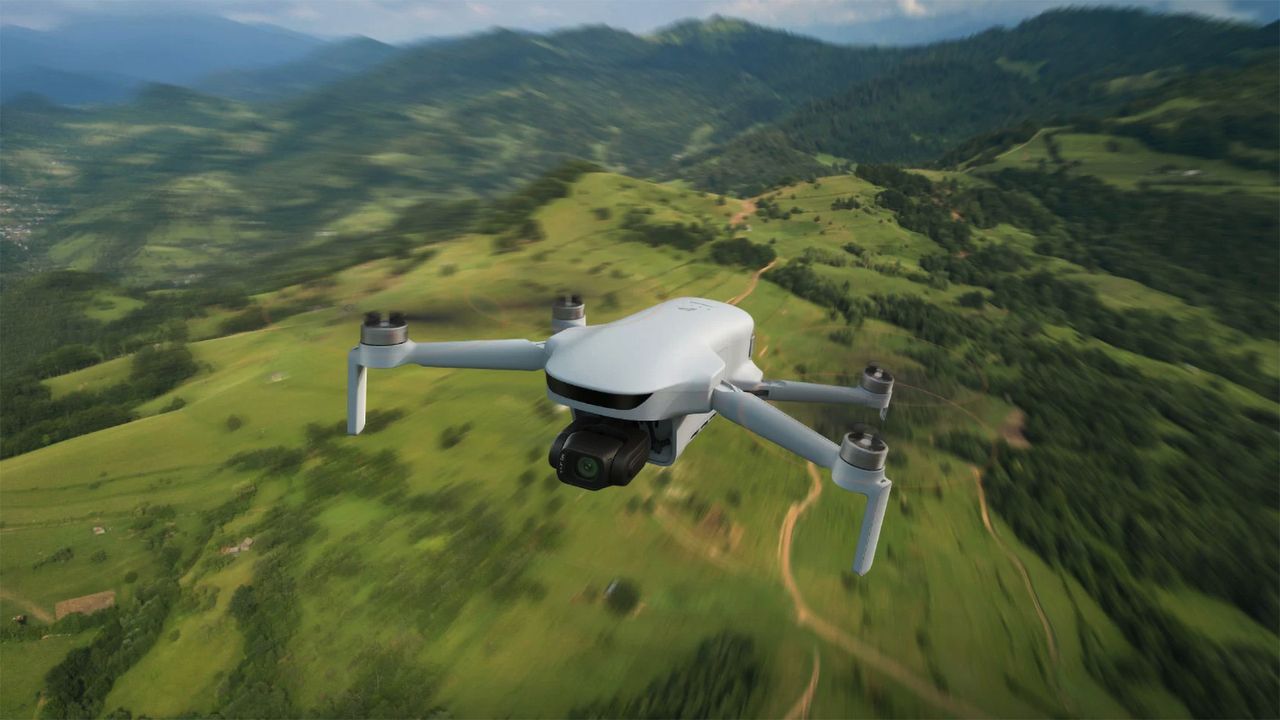
Potensic Atom 3 Drone Offers DJI Alternative for Global Markets, But Faces US Import Ban
Potensic has released the Atom 3, an upgraded beginner drone featuring a larger sensor, 4K 60fps video, improved battery life, and AI tracking capabilities at competitive pricing ($429.99-$549.99). The drone competes directly with DJI's Lito X1 but faces the same regulatory barriers as DJI in the US market due to a ban on foreign-made drones. The availability restrictions highlight ongoing US trade restrictions on Chinese drone manufacturers and limit consumer choice in the American market.

Wing and Walmart Expand Drone Delivery to Seven Additional U.S. Cities
Alphabet-owned Wing and Walmart are expanding their drone delivery partnership to seven new U.S. cities including Memphis, New Orleans, Philadelphia, Phoenix, San Diego, the San Francisco Bay Area, and Salt Lake City. The expansion is part of a plan to reach over 270 Walmart locations by next year, building on successful deployments in Atlanta, Dallas-Fort Worth, and Houston. The move signals that drone delivery is transitioning from a novelty service to a mainstream logistics option, with Wing having completed over 1 million commercial deliveries.

Anthropic CEO Calls for FAA-Style Regulation of Powerful AI Models
Anthropic CEO Dario Amodei published an essay calling for government regulation of powerful AI models, comparing the approach to FAA oversight of commercial aviation. The proposal includes mandatory third-party testing for frontier models and potential government authority to block or delay their deployment if they pose safety risks. The call comes as Anthropic released Claude Fable 5 and an updated Claude Mythos 5 model with advanced cybersecurity capabilities.