UN warns US sanctions on Cuba causing spike in child deaths and medical shortages
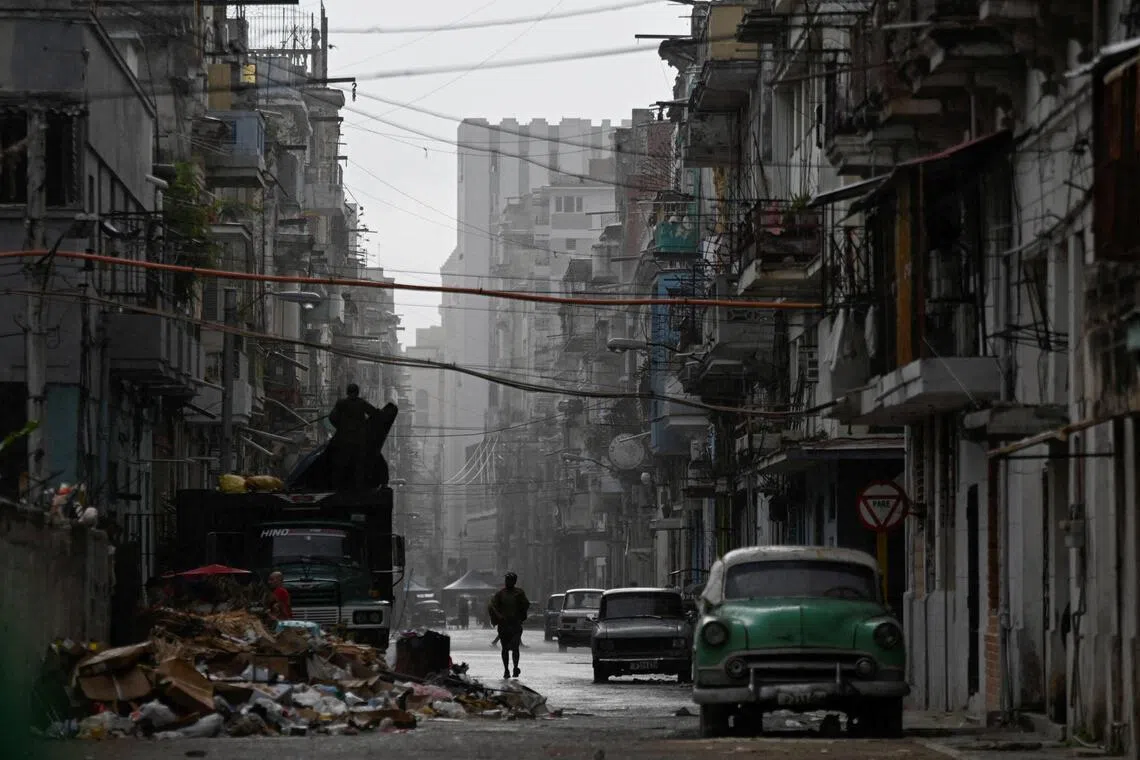
The Trump administration sanctioned Cuba's state-owned oil and gas company CUPET and blocked a major US fuel shipment to the island, as the UN's human rights chief warned that tighter sanctions have doubled infant mortality and sharply reduced childhood cancer survival rates. The measures are the latest in a sweeping US pressure campaign that began in January with a de facto oil blockade, following the US military operation that removed Venezuelan President Nicolás Maduro. The escalation has drawn international condemnation, raised fears of mass migration, and prompted Cuba's top diplomat to warn that US sanctions and criminal charges against Raúl Castro are a pretext for military intervention.
Secretary of State Marco Rubio announced sanctions against Cuba's state-owned oil company Unión Cuba-Petróleo (CUPET) on June 11, 2026, under Executive Order 14404, blocking all US-linked property and barring foreign entities from doing business with the company. The move came days after sanctions were imposed on Cuban President Miguel Díaz-Canel and other officials, and followed the blocking of a Florida-based firm's plan to ship 250,000 barrels of fuel to Cuba — what would have been the largest US fuel shipment to the island since 1960. UN High Commissioner for Human Rights Volker Türk issued one of the UN's strongest rebukes of Washington, citing public health data showing infant mortality has doubled to 9.9 per 1,000 births, childhood cancer survival rates have fallen from 85% to 65%, essential medicines are available at only 30% of normal supply levels, and blackouts now frequently exceed 20 hours a day. Cuba's chargé d'affaires in Washington, Lianys Torres Rivera, called the sanctions and the federal indictment of former President Raúl Castro a 'pretext' to build US public support for military action, describing the situation as 'a war without bombs' and warning that Cuba would resist any coercive regime change. The Trump administration has defended the measures as targeting the regime's repressive apparatus and kleptocracy, while pledging $100 million in humanitarian aid to be delivered outside government channels; independent experts warn the CUPET sanctions may paradoxically undermine private-sector fuel imports by denying access to the only distribution infrastructure on the island. Trump has not ruled out military action and stated Cuba would be addressed 'as soon as we've finished' operations in Iran, while US military assets including the USS Nimitz have been deployed to the Caribbean.
What's missing
It remains unclear what specific legal or policy mechanism blocked the Vanguard Energy fuel shipment and whether any humanitarian license pathway remains viable for private fuel imports given the CUPET sanctions. The precise scope of the $100 million US humanitarian aid pledge — including how much has actually been disbursed — is unconfirmed across sources.
How coverage differed
Center and left-leaning outlets (SCMP, Straits Times, AP, Al Jazeera, Independent) led with humanitarian harm and UN condemnation, foregrounding civilian suffering and Cuban diplomatic warnings. Right-leaning outlets (Washington Examiner, Washington Times) and the State Department framed the sanctions primarily as targeted pressure on a repressive communist regime, emphasizing regime kleptocracy and national security justifications, with less prominence given to humanitarian consequences. The Hacker News piece went furthest, characterizing US policy as deliberate 'terrorism' aimed at privatizing Cuban assets for Trump-linked investors — a framing not reflected in mainstream outlets.
What different sources said
U.S. Blocks Deal by Florida-based Vanguard Energy to Supply Fuel to Cuba
Sanctioning Cuba’s State-Owned Oil and Gas Company Unión Cuba-Petróleo
- The Straits TimesCenter
Children dying in Cuba because of tighter US sanctions, says UN
- South China Morning PostCenter
UN slams ‘unacceptable’ US sanctions causing child deaths in Cuba
- UPICenter
U.S. revises key licenses for Venezuela energy sector
- Washington ExaminerRight
Rubio announces US sanctions on Cuban state-owned oil company
- Al JazeeraLeft
Trump administration sanctions Cuba’s national oil company, blasts Castros
- The IndependentLeft
US imposes sanctions on Cuba’s state oil company in latest pressure campaign
- EuronewsCenter
US slaps sanctions on Cuba's oil and gas company, accusing it of weaponising energy
- The HillCenter
US sanctions Cuba's state-owned oil, gas company
- Hacker NewsCenter
The U.S. Is Terrorizing Cuba to Make Rich Men Richer
- Washington TimesRight
U.S. slaps sanctions against Cuban oil and gas company as tensions rise
- NDTVCenter
US Imposes Sanctions On Cuba State Oil Company Amid Energy Crisis
- AP NewsCenter
Cuba’s top envoy to US calls Trump’s sanctions on Cuban leaders a ‘pretext’ for military action
- The Japan TimesCenter
White House defends Cuba sanctions as U.N. warns of harm
- Times of IndiaCenter
Venezuela oil rush: US investors chase Trump's $100 billion call
- BloombergCenter
Biggest Shipment of US Fuel to Cuba Since 1960 Is Off as Blacklist Expands
Related
UNRWA Fires 70 Gaza Staff Members, Denies Terminations Validate Hamas Allegations
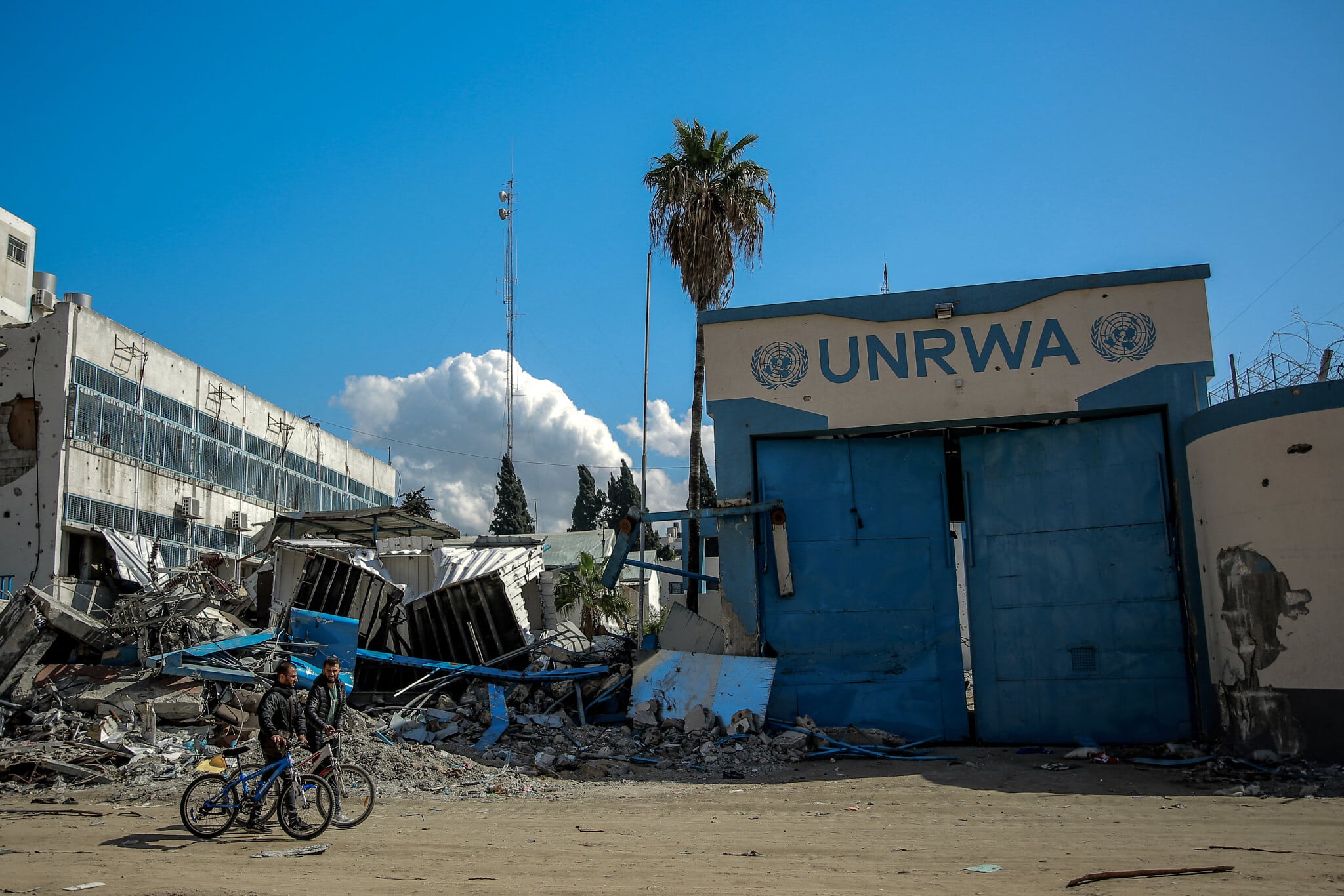
The UN agency for Palestinian refugees, UNRWA, has dismissed 70 employees in Gaza with immediate effect, citing safety and security risks. The move follows a USAID investigation that referred over 100 UNRWA staff for suspension or dismissal, and longstanding Israeli allegations that significant portions of the agency's workforce have ties to Hamas. The firings mark a significant but contested step in addressing accusations that have dogged the agency since the October 7, 2023 attacks, while UNRWA insists the dismissals are not an admission of guilt.
China's Tungsten Export Controls Ripple Through Global Supply Chains, From AI Chips to Weapons
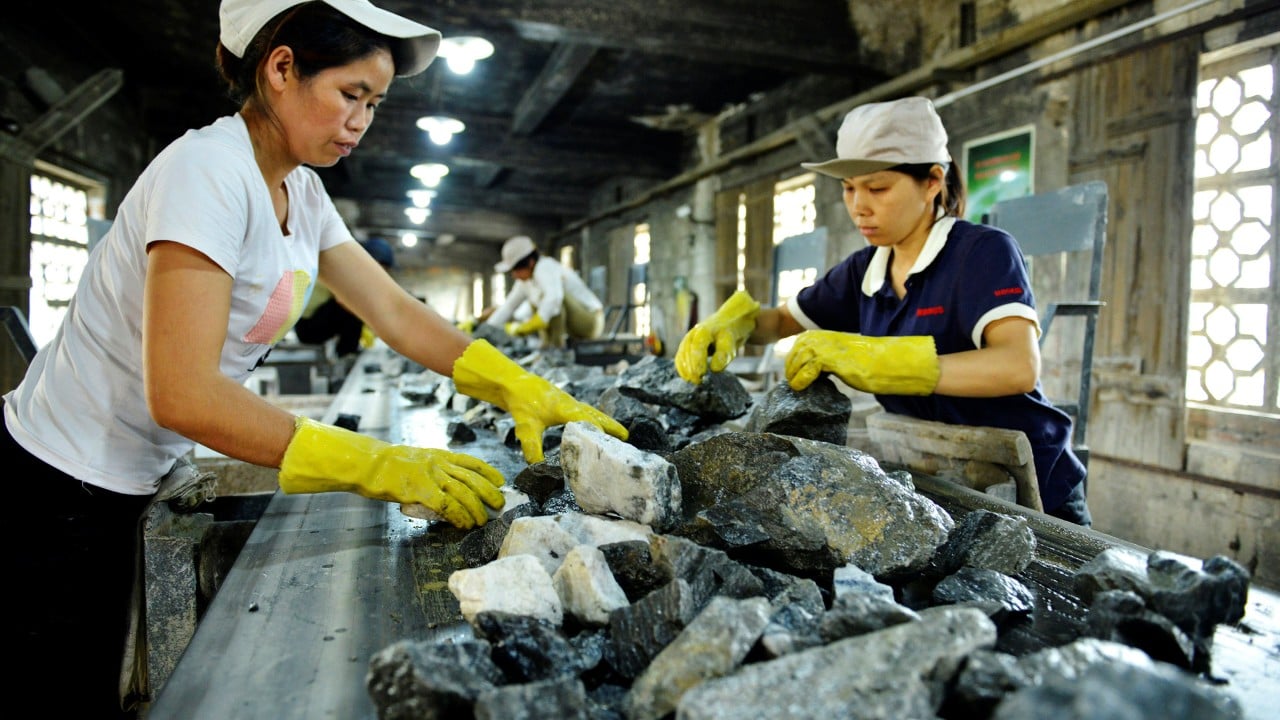
China's 2025 export restrictions on tungsten have triggered price surges, potential production halts at Japanese semiconductor gas manufacturers, and a push to revive domestic mining in the United States. Tungsten, of which China produces over 78 percent of global supply, is critical to both advanced AI chipmaking and military munitions. The disruptions are exposing deep vulnerabilities in Western and Asian supply chains for a material with few short-term substitutes.

Rain Delays Start of India vs Afghanistan 1st ODI in Dharamshala
Persistent drizzle has delayed the toss and cast doubt over the first ODI between India and Afghanistan at the Himachal Pradesh Cricket Association Stadium in Dharamshala. The meteorological department issued an orange alert for June 12 warning of thunderstorms and hail across parts of Himachal Pradesh, with a 60–70% chance of showers forecast throughout the day. The delay threatens what would have been a historically significant match — the first-ever bilateral ODI series between the two nations.