UN Labour Organization Adopts First Binding International Standards for Gig Economy Workers

The International Labour Organization adopted the Decent Work in the Platform Economy Convention on June 12, the first binding international agreement setting employment standards for digital platform workers. The convention covers an estimated 435 million gig workers worldwide, requiring fair pay, social security access, and transparent terms of engagement from platforms. The agreement marks a historic shift in global labor law, though its real-world impact depends on national ratification and implementation.
At the 114th annual International Labour Conference in Geneva, ILO member states voted 406 in favor and eight against to adopt the Decent Work in the Platform Economy Convention, the first binding global treaty establishing labor protections for gig economy workers. The convention applies to all digital labor platforms and all platform workers regardless of whether they operate in the formal or informal economy, covering sectors such as food delivery, ride-hailing, and home services. It requires countries to guarantee gig workers fair pay and social security protections no less favorable than those afforded to other workers of equivalent employment status, and mandates that platforms provide clear, verifiable information about terms of engagement. A key provision addresses the widespread practice of classifying workers as independent contractors rather than employees — a classification critics say allows platforms to sidestep minimum wage, workplace safety, and social security obligations. The convention enters into force in ratifying countries 12 months after at least two member states have ratified it, and while the ILO lacks direct enforcement power, ratification incorporates the standards into national law and opens avenues for legal action. The US, India, and Bangladesh urged flexible application based on national contexts, and the ITUC cautioned that permitted exclusions could leave some worker categories unprotected. Human rights and labor advocates described the agreement as a landmark turning point for platform workers globally.
What's missing
The articles do not specify which countries, if any, have already signaled intent to ratify the convention, nor do they detail what categories of workers might be excluded under the permitted national exemptions.
How coverage differed
Al Jazeera provided additional procedural detail, including the vote count (406 in favor, 8 against, 36 abstentions) and a quote from the Workers' Group vice chair emphasizing historical exploitation, giving the story a somewhat stronger worker-advocacy framing. The Straits Times and NDTV, drawing on the same AFP wire copy, presented a more balanced account that gave slightly more weight to dissenting voices such as the US representative.
What different sources said
International Labour Conference: Unions win global protection standard for platform workers
- Al JazeeraLeft
UN adopts treaty setting standards for gig economy workers
- NDTVCenter
International Labour Organisation Adopts First Treaty On Gig Workers' Safety
- The Straits TimesCenter
UN labour organization sets first binding employment standards for gig workers
Related
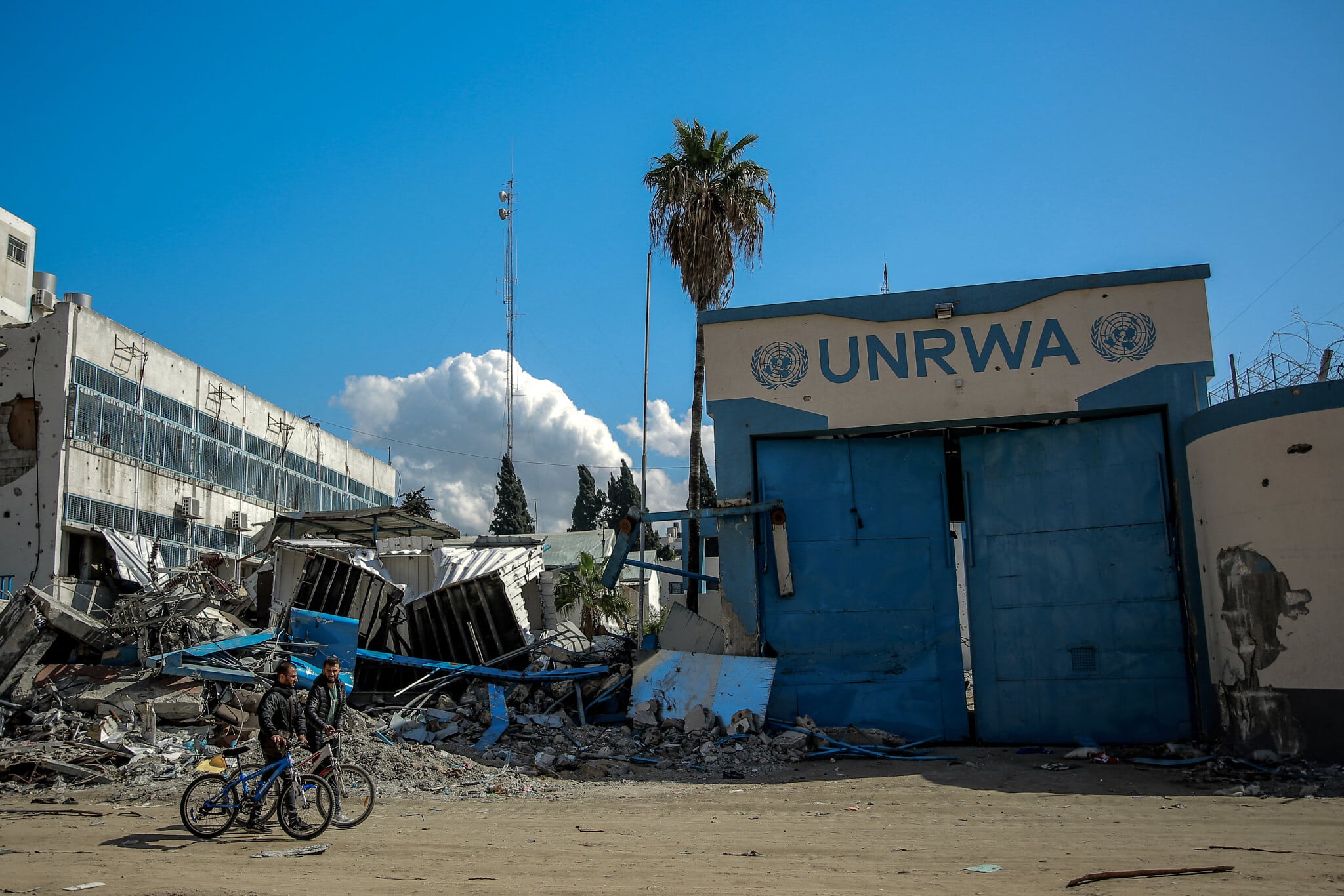
UNRWA Fires 70 Gaza Staff Members, Denies Terminations Validate Hamas Allegations
The UN agency for Palestinian refugees, UNRWA, has dismissed 70 employees in Gaza with immediate effect, citing safety and security risks. The move follows a USAID investigation that referred over 100 UNRWA staff for suspension or dismissal, and longstanding Israeli allegations that significant portions of the agency's workforce have ties to Hamas. The firings mark a significant but contested step in addressing accusations that have dogged the agency since the October 7, 2023 attacks, while UNRWA insists the dismissals are not an admission of guilt.
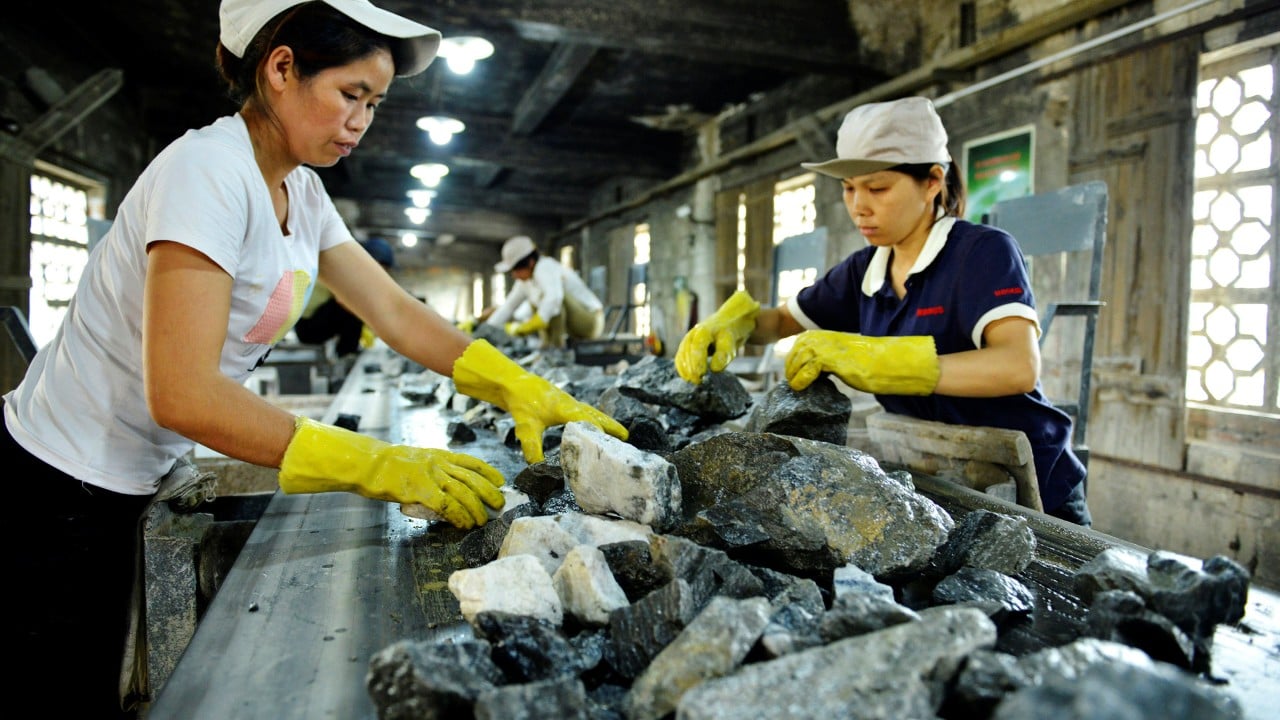
China's Tungsten Export Controls Ripple Through Global Supply Chains, From AI Chips to Weapons
China's 2025 export restrictions on tungsten have triggered price surges, potential production halts at Japanese semiconductor gas manufacturers, and a push to revive domestic mining in the United States. Tungsten, of which China produces over 78 percent of global supply, is critical to both advanced AI chipmaking and military munitions. The disruptions are exposing deep vulnerabilities in Western and Asian supply chains for a material with few short-term substitutes.

Rain Delays Start of India vs Afghanistan 1st ODI in Dharamshala
Persistent drizzle has delayed the toss and cast doubt over the first ODI between India and Afghanistan at the Himachal Pradesh Cricket Association Stadium in Dharamshala. The meteorological department issued an orange alert for June 12 warning of thunderstorms and hail across parts of Himachal Pradesh, with a 60–70% chance of showers forecast throughout the day. The delay threatens what would have been a historically significant match — the first-ever bilateral ODI series between the two nations.