Ukraine police chief accuses Russia of recruiting teenage girls to kill Ukrainian servicemen

Ukraine's national police chief Ivan Vyhivskyi has accused Russian security services of recruiting young Ukrainian women, including a 17-year-old, to poison Ukrainian military personnel using methadone-laced drinks arranged through Telegram. The scheme involves recruiters promising easy money, directing women to dating apps to find servicemen, and providing funds for apartment rentals and the poison itself. The allegations highlight a broader pattern of alleged Russian-directed sabotage and betrayal operations inside Ukraine during the ongoing war.
Ukrainian national police chief Ivan Vyhivskyi stated in an interview with Cenzor.NET that Russian special services have orchestrated at least six contract killings of Ukrainian servicemen this year, with only one prevented. The operations allegedly begin with Russian operatives identifying young women on messaging platforms, promising financial rewards, and coaching them to use adult dating websites to target military personnel. Women are then provided money to rent apartments for meetings and directed to sources of methadone, a synthetic opioid that can be lethal in high doses, which is used to lace the servicemen's drinks. A 17-year-old from Berdychiv was arrested on June 4 in the Zhytomyr region after a 27-year-old soldier was found dead with a powdery substance in his dishware; she told police she had been instructed by a suspected Russian FSB operative over Telegram and had received a parcel of a clear crystalline substance believed to be methadone. Russia's FSB did not immediately respond to requests for comment. The case fits a wider wartime pattern: more than 1,100 Ukrainians have been accused of arson, terrorism, or sabotage since Russia's 2022 invasion, and both sides have accused each other of recruiting citizens for targeted killings.
What's missing
No independent verification of the six alleged cases beyond Ukrainian police statements has been provided, and no details are given about the outcomes of the other five cases, including whether any resulted in convictions or confirmed Russian state involvement.
How coverage differed
The Straits Times and Japan Times presented the story in a straightforward, wire-service style with measured attribution, while the New York Post used more sensational framing — describing the scheme as a 'honeypot trap' and emphasizing graphic operational details such as CCTV footage and the soldier falling unconscious — though both outlets relied on the same underlying Ukrainian police statements.
What different sources said
- The Straits TimesCenter
Russia’s conscripts recount pressure to fight in Ukraine
- The Japan TimesCenter
Russia’s conscripts recount pressure to fight in Ukraine
- New York PostRight
Russia recruiting teens to poison Ukrainian servicemen in honeypot trap, police chief says
- ForbesCenter
Russia Adopt New Infantry Tactics In Attempt To Regain Momentum
Related
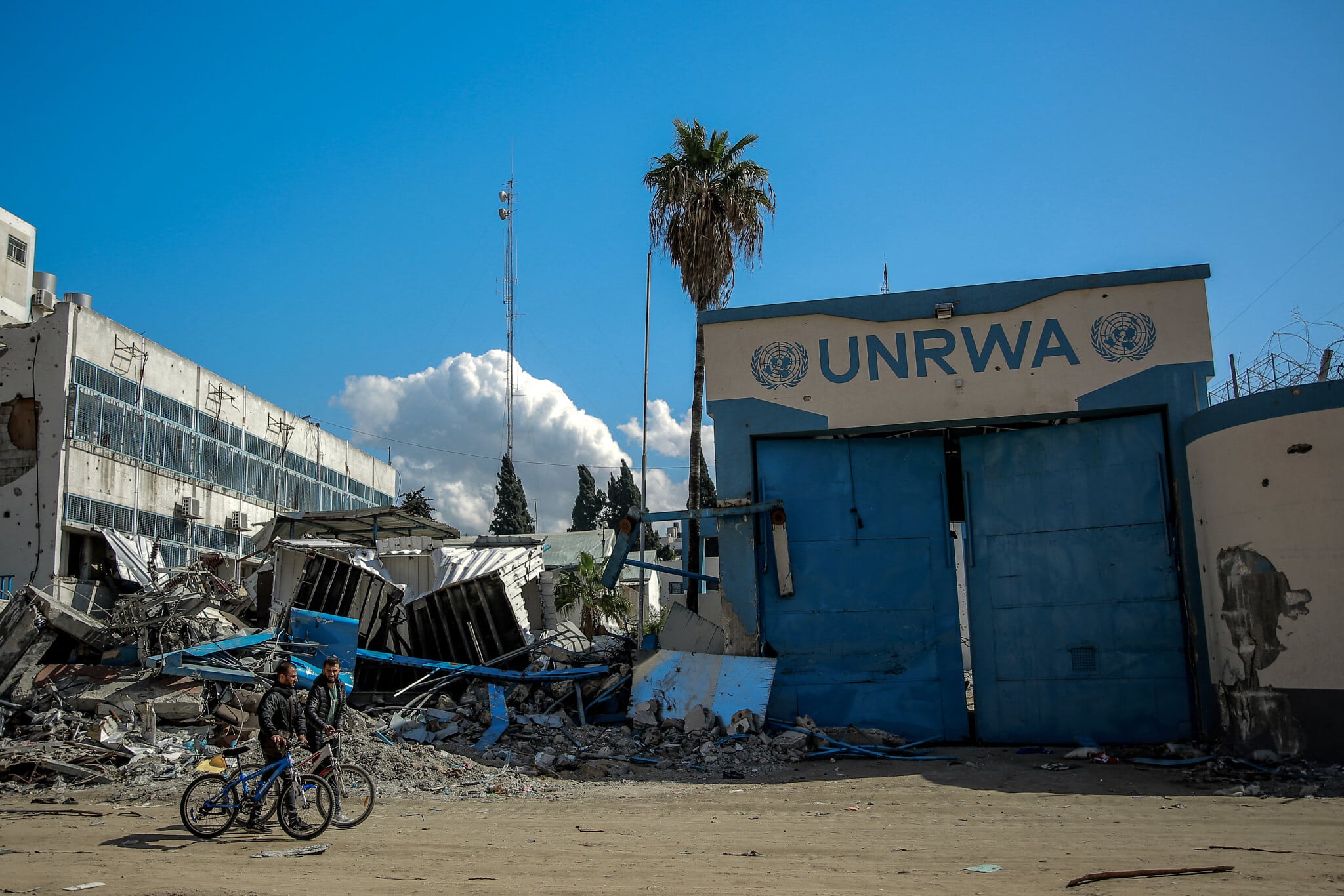
UNRWA Fires 70 Gaza Staff Members, Denies Terminations Validate Hamas Allegations
The UN agency for Palestinian refugees, UNRWA, has dismissed 70 employees in Gaza with immediate effect, citing safety and security risks. The move follows a USAID investigation that referred over 100 UNRWA staff for suspension or dismissal, and longstanding Israeli allegations that significant portions of the agency's workforce have ties to Hamas. The firings mark a significant but contested step in addressing accusations that have dogged the agency since the October 7, 2023 attacks, while UNRWA insists the dismissals are not an admission of guilt.
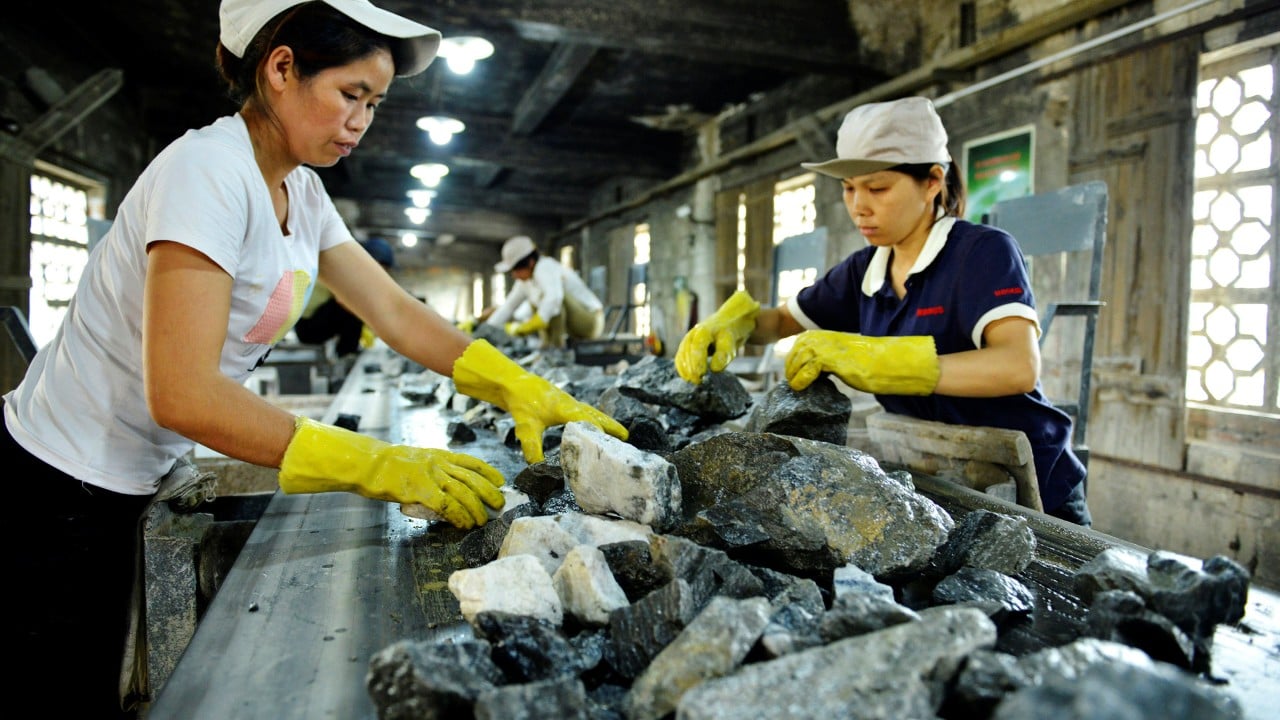
China's Tungsten Export Controls Ripple Through Global Supply Chains, From AI Chips to Weapons
China's 2025 export restrictions on tungsten have triggered price surges, potential production halts at Japanese semiconductor gas manufacturers, and a push to revive domestic mining in the United States. Tungsten, of which China produces over 78 percent of global supply, is critical to both advanced AI chipmaking and military munitions. The disruptions are exposing deep vulnerabilities in Western and Asian supply chains for a material with few short-term substitutes.

Rain Delays Start of India vs Afghanistan 1st ODI in Dharamshala
Persistent drizzle has delayed the toss and cast doubt over the first ODI between India and Afghanistan at the Himachal Pradesh Cricket Association Stadium in Dharamshala. The meteorological department issued an orange alert for June 12 warning of thunderstorms and hail across parts of Himachal Pradesh, with a 60–70% chance of showers forecast throughout the day. The delay threatens what would have been a historically significant match — the first-ever bilateral ODI series between the two nations.