Trump's Shifting Timelines on Iran Conflict: From 'Four to Five Weeks' to Ongoing Operations
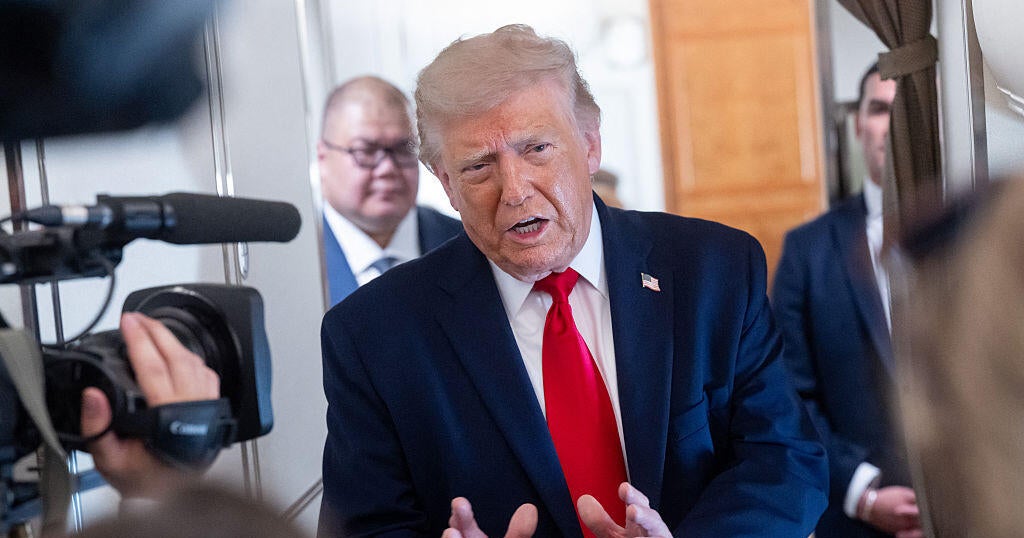
President Trump has repeatedly predicted the end of the U.S.-Israeli military operations against Iran since they began on February 28, but the conflict has now lasted 15 weeks—three times longer than his initial four-to-five-week estimate. Trump has adjusted his language and timelines multiple times, at one point calling it an "excursion" rather than a war, and officials declared the "war phase" over in April despite ongoing intermittent attacks. The pattern of missed deadlines raises questions about the accuracy of official projections and the actual status of military operations.
Since the U.S.-Israeli military campaign against Iran began on February 28, President Trump has provided numerous public timelines for its conclusion, ranging from four to five weeks initially to various shorter and longer estimates over subsequent weeks. The CBS News report documents Trump's shifting statements from March through April, including claims that operations were "ahead of schedule" and predictions of resolution within days or weeks. By mid-April, Trump, Secretary of State Marco Rubio, and Defense Secretary Pete Hegseth suggested the "war phase" had ended, though they acknowledged intermittent attacks continued and key objectives—including Iran's nuclear capabilities and reopening the Strait of Hormuz—remained unresolved. After 15 weeks, the conflict has persisted well beyond initial projections, with Trump adjusting both his language and timelines repeatedly throughout the campaign.
What's missing
The article does not provide Iran's official statements or perspective on the conflict's status, casualty figures, or independent assessments of whether military objectives have been achieved. Additionally, the specific nature of the "intermittent attacks" continuing after the April ceasefire is not detailed.
What different sources said
- CBS NewsCenter
When will the Iran war end? Here's what Trump has said.
Related
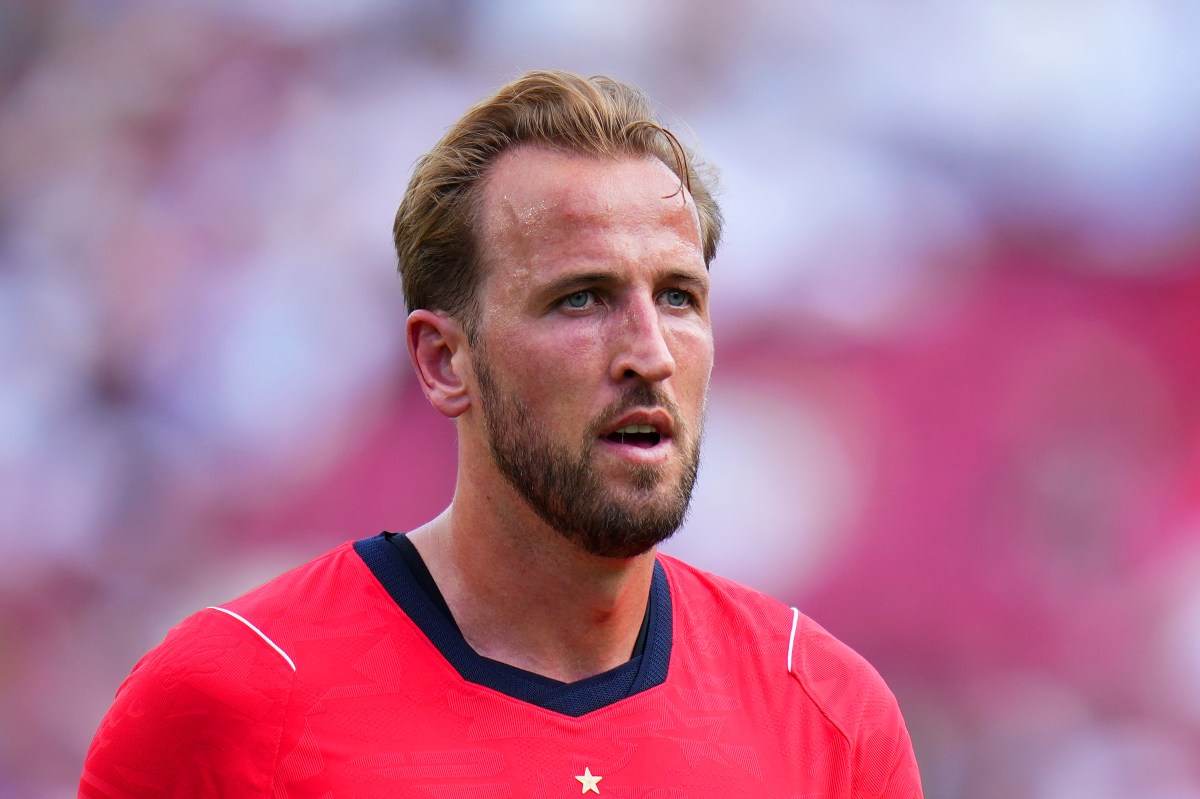
Harry Kane Names France, Argentina, Brazil, Spain as England's Main Threats at 2026 World Cup
England captain Harry Kane identified France, Argentina, Brazil, and Spain as the biggest threats facing the Three Lions at the 2026 FIFA World Cup, which begins June 11. Kane emphasized that success requires preparation to face multiple elite teams throughout the tournament, not just in a single match. Kane's assessment reflects England's position among tournament favorites alongside these nations, as the team seeks its first World Cup title since 1966.

Packers' Christian Watson Sets Ambitious Goals After $110 Million Contract Extension
Wide receiver Christian Watson signed a four-year, $110 million contract extension with the Green Bay Packers and outlined personal goals of 1,100+ receiving yards and double-digit touchdowns for the 2026 season. Watson has struggled with injuries throughout his career, appearing in just 48 games over four seasons and never exceeding 620 yards or seven touchdowns in a single year. The goals represent a significant step up from his recent performance but reflect the Packers' confidence in his potential.

Drew Bledsoe Warns Drake Maye to Manage Expectations After Patriots' Super Bowl Run
Former Patriots quarterback Drew Bledsoe cautioned Drake Maye about the intense pressure that follows a successful season, advising him to temper expectations after the Patriots nearly won the MVP and Super Bowl last year. Bledsoe, who was in a similar position at age 24 with New England before losing his starting job to Tom Brady, warned that high expectations can lead to unfair criticism. The advice comes as Maye heads into his third season facing a more challenging schedule than the Patriots' beneficial one from last year.