Trump's Mixed Signals on Iran Negotiations: Strategy or Loss of Control?

President Trump has alternated between predicting imminent peace deals with Iran and threatening military retaliation, including retaliatory strikes this week following a downed U.S. helicopter. Analysts debate whether his contradictory statements reflect a deliberate diplomatic strategy or indicate he has lost control of a conflict that has lasted longer than anticipated. The pattern raises questions about market confidence and the sustainability of the current ceasefire between the U.S.-Israel alliance and Iran.
President Trump has repeatedly claimed over recent weeks that peace negotiations with Iran are in their "final throes" and a deal could be reached within days, yet simultaneously threatened punishing military strikes. This week exemplified the contradiction: after an Iranian drone downed a U.S. Apache helicopter near the Strait of Hormuz on Monday, Trump promised and carried out retaliatory strikes on Tuesday, then declared on Wednesday that Iranians "will have to pay the price" before again expressing hope for a deal. Analysts quoted in the article suggest Trump's approach may serve multiple purposes—injecting optimism into stalled talks, countering skeptical media narratives, and stabilizing markets—though some question whether it masks a loss of control over a conflict that has dragged on far longer than the president initially envisioned. The emerging pattern appears to be an indefinite period of simultaneous military actions and diplomatic talks, described by one analyst as "shoot and talk at the same time."
What's missing
The article does not specify the current status of formal negotiations, the positions of Iranian leadership on peace talks, or what specific terms have been proposed or rejected. Additionally, the timeline of the broader U.S.-Israel conflict with Iran is mentioned as beginning in February but lacks detail on escalation patterns or previous ceasefire attempts.
What different sources said
Threatening war, predicting peace: Are Trump’s comments part of a strategy?
Related
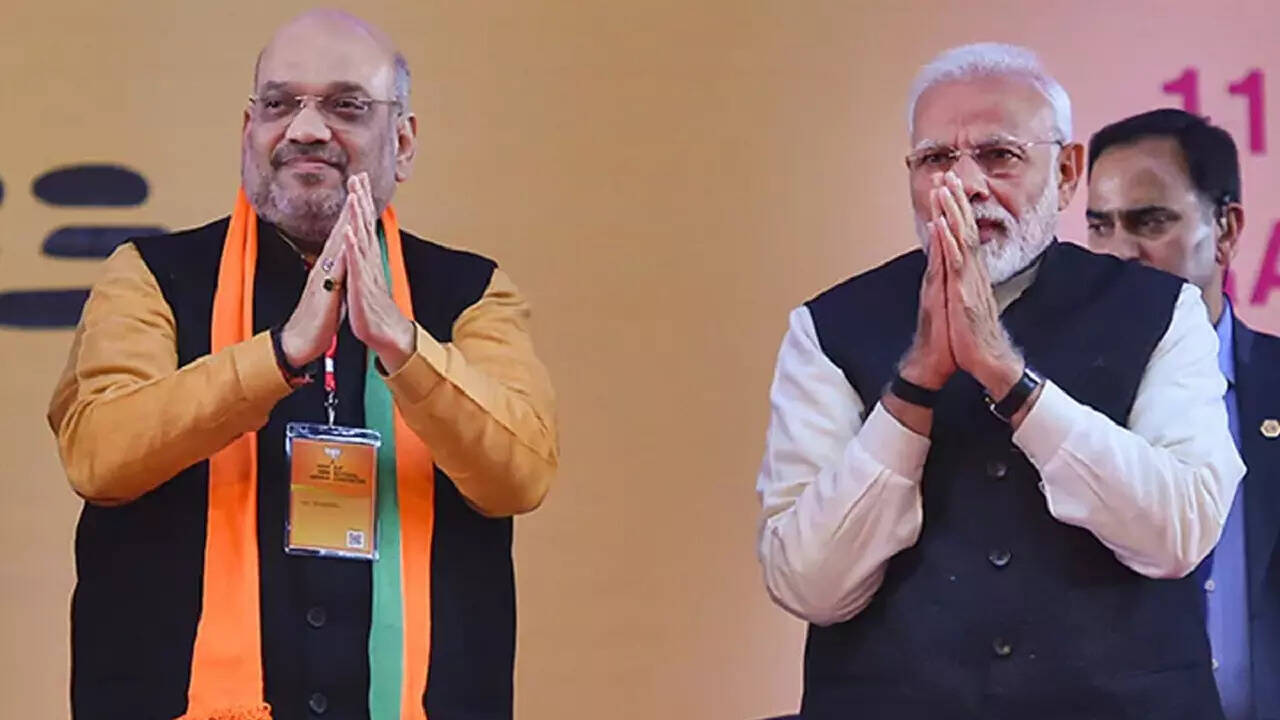
Indian Government Officials Praise Modi's 12-Year Tenure as He Surpasses Nehru's Term
Prime Minister Narendra Modi has completed 12 years in office, surpassing Jawaharlal Nehru's tenure as an elected head of government, prompting celebrations by senior Indian government officials. Home Minister Amit Shah and other cabinet members marked the milestone by praising Modi's leadership for restoring national pride, cultural renaissance, and strong governance. The occasion highlights a significant political milestone in independent India's history, with the ruling BJP framing Modi's tenure as transformative for the nation's development and global standing.

Debate Over Election Integrity Claims in California
A New York Post opinion piece criticizes California Democratic leaders for dismissing questions about recent election results while previously claiming the 2016 election was compromised by Russian interference. The article argues this represents hypocrisy, noting that investigations found no evidence of Russian collusion with the Trump campaign. The piece highlights California's election procedures, including mail-in voting and ballot harvesting, as potential vulnerabilities.
Texas Governor Abbott Proposes Stricter Data Center Regulations to Protect Residential Electricity Costs
Texas Gov. Greg Abbott proposed new regulations requiring data centers to pay for their own electric infrastructure, use water-efficient technology, and lose sales tax exemptions. The proposal reflects growing backlash against data centers across the US due to concerns about energy consumption, water usage, and rising utility costs for residents. The shift is significant because Texas has historically courted data centers with tax breaks and is now moving toward stricter oversight despite the state's pro-business stance.