Trump Administration Warns 500+ Hospitals Over Lack of Price Transparency
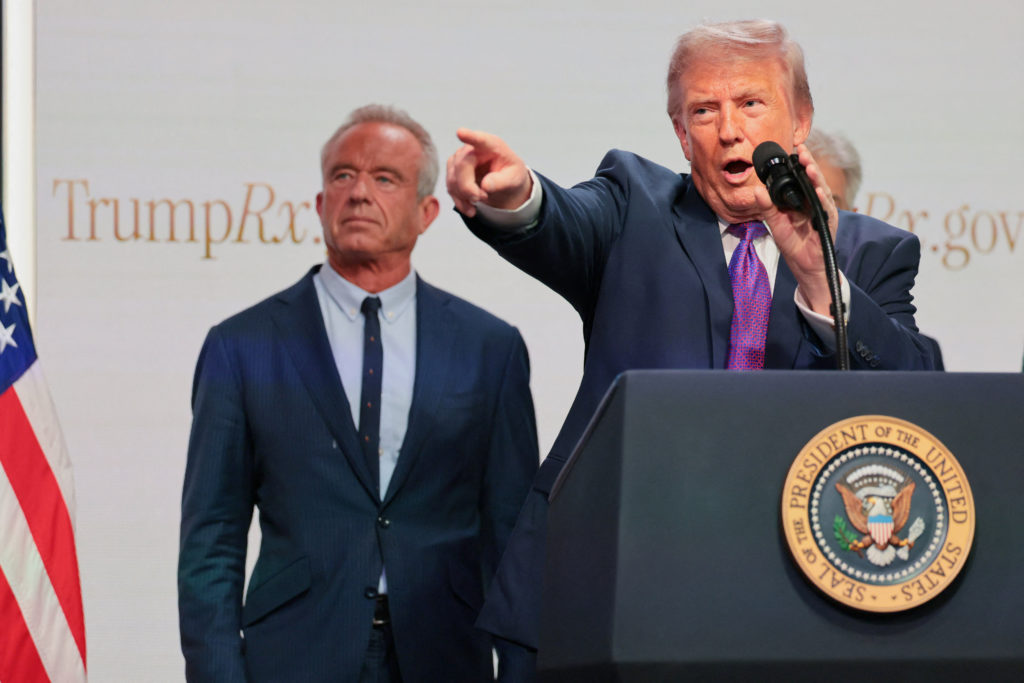
The Trump administration has issued warning letters to more than 500 hospitals across the country for failing to publicly disclose medical service pricing, with penalties of up to $2 million annually for non-compliance. The enforcement push stems from a 2019 Trump executive order on price transparency, and the AP exclusively obtained the list of hospitals that received letters since April. The action is politically significant ahead of midterm elections, as healthcare affordability remains a top voter concern, though critics note the administration's broader healthcare record is mixed.
The Trump administration has warned more than 500 hospitals nationwide that they are not meeting federal price transparency requirements, which mandate that hospitals publicly post clear pricing data for medical services such as blood work, imaging, and other procedures. The Associated Press exclusively obtained the list of hospitals that have received either warning letters or requests to submit compliance plans since April, with fines reaching $2 million annually for those that fail to act. Texas led all states with 42 hospitals receiving warnings, including major institutions like MD Anderson Cancer Center and Baptist Medical Center in San Antonio; Indiana had 34 and California 38. Large health systems such as Missouri-based Ascension had 13 hospitals flagged across multiple states, though some recipients, including MD Anderson, said the issues involved minor technical or formatting errors that were quickly corrected. The American Hospital Association stated that most hospitals are already complying with the requirements but acknowledged the current system is not working as well as it could for patients. The enforcement push is framed by the administration as a market-based solution to high healthcare costs, contrasting with the Biden administration's approach of expanding insurance coverage and enabling Medicare drug price negotiations. A House Committee on Energy and Commerce hearing on price transparency was scheduled for Wednesday.
What's missing
The articles do not specify how many of the 500-plus hospitals have already come into compliance following the warning letters, nor do they detail how many fines have actually been levied under the existing price transparency rules since they took effect.
How coverage differed
STAT News provided more explicit political framing, noting Trump's vulnerability on healthcare given low approval ratings and the lapse of ACA subsidies, and characterizing the enforcement push as a 'calculated pitch' ahead of midterms. PBS NewsHour included additional expert commentary from KFF's Gary Claxton cautioning that pricing data may be more useful to industry insiders than consumers, and included responses from named hospital systems, offering slightly more stakeholder balance.
What different sources said
- STAT NewsCenter
Trump administration warns more than 500 hospitals to provide more price information or face fines
- The HillCenter
Trump warns hundreds of hospitals of fines over missing price information
- PBS NewsHourLeft
Trump administration warns hundreds of hospitals to increase price transparency or face fines
Related

Chicago Woman's Five-Year Symptom Journey Leads to Rare Brain Tumor Diagnosis
Melony Aponte, 26, was diagnosed with a 4.5-centimeter acoustic neuroma after five years of symptoms she attributed to stress, COVID-19, and aging. The rare, noncancerous tumor—affecting roughly one in 100,000 people—had grown large enough to compress her hearing and balance nerve before it was identified via MRI in March 2025. Her case highlights how acoustic neuroma symptoms can mimic common conditions, potentially delaying diagnosis for years.

Study Finds Aging Shifts Walking Strategy Toward Stability at the Cost of Efficiency
A new study from Flinders University and the University of Canberra found that as people age, their bodies adopt a 'safety-first' walking pattern that prioritizes balance over efficient movement. Researchers analyzed gait data from 107 healthy adults aged 26 to 86, identifying increased ankle muscle co-contraction and reduced push-off power as key age-related changes. The findings suggest that fall prevention programs should target balance and coordination, not just muscle strength.

Tick Populations Surge in Urban Areas Across Northeast
Experts across the northeastern United States and Canada are warning of an unusually early and widespread tick season, with disease-carrying ticks increasingly found in urban parks and green spaces. Lyme disease cases in Canada reached a record 7,105 in 2025, up from 5,809 the previous year, while U.S. cities including Philadelphia, Pittsburgh, Washington D.C., and New York are reporting rising tick activity. The expansion poses a public health challenge because urban residents are less likely to take tick-bite precautions than those in rural areas.