Trump Administration Shifts to Accommodating China as 'Peer Power' Following Beijing Summit
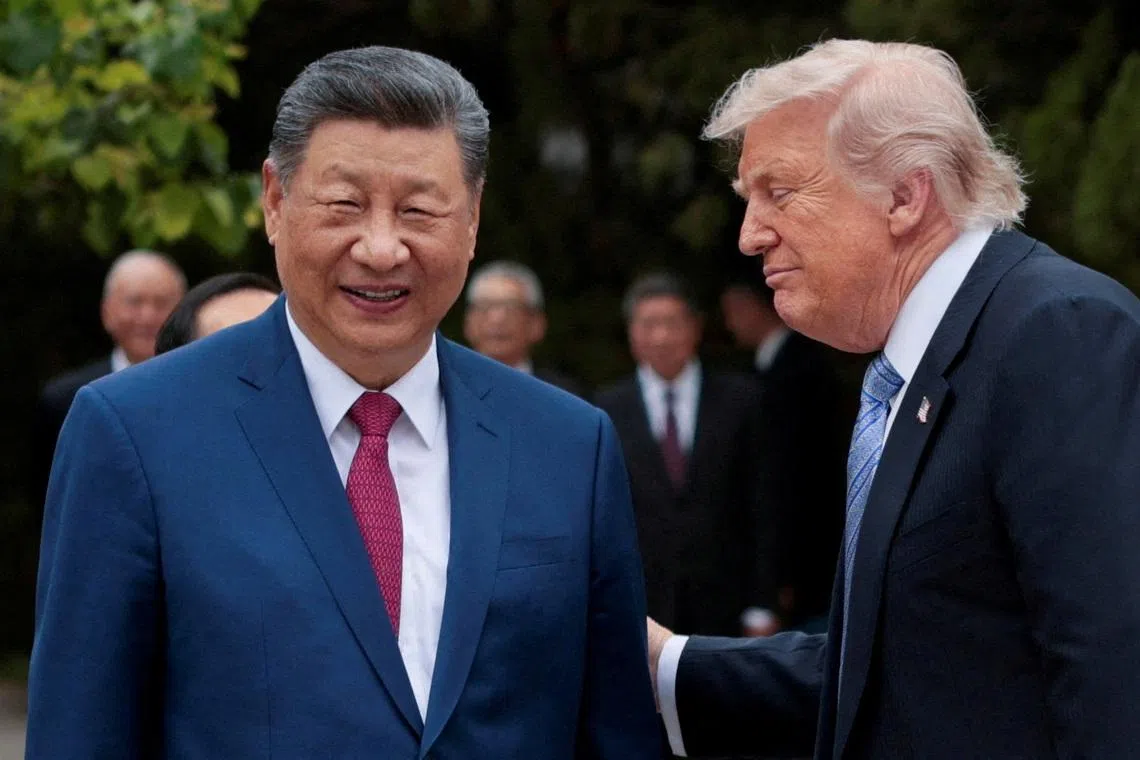
The Trump administration has adopted a new diplomatic approach toward China centered on "constructive strategic stability," signaling a willingness to cooperate and limit hostilities after Trump's June 2025 meeting with Xi Jinping in Beijing. This represents a sharp reversal from Trump's aggressive first-term trade war stance, following Chinese retaliation that forced a retreat. The shift is causing anxiety across Asia as regional powers reassess their relationships with both the US and China.
Following Secretary of State Marco Rubio's initial references to "strategic stability" in mid-2025, the US and China jointly adopted the phrase "constructive strategic stability" during President Trump's June summit in Beijing with Xi Jinping. Trump has signaled accommodation on multiple fronts: holding Taiwan arms sales "in abeyance" as a negotiating chip, praising Xi effusively, and proposing a "G-2" framework treating the two nations as equal superpowers. This policy reversal follows China's successful retaliation during a 2025 trade war that forced Trump to retreat. While the White House frames the new relationship as linked to "fairness and reciprocity," China emphasizes cooperation over competition. The shift has prompted urgent recalibration across Asia, with regional officials expressing concern about the implications for their own security and relationships with Washington.
What's missing
The article does not specify what concessions or agreements China made in exchange for the US shift in policy, nor does it detail the specific nature or scope of the 2025 Chinese retaliation that prompted Trump's retreat from his earlier trade war stance.
What different sources said
- The Straits TimesCenter
Trump’s sharp turn on China: Embracing it as a peer power
Related
Scotland manager Steve Clarke seeks redemption at Euro 2024 with new tactical approach
Scotland manager Steve Clarke is preparing his team for Euro 2024 with a renewed sense of optimism and a tactical shift to a 4-4-2 formation with two central strikers. Clarke has acknowledged disappointment with Scotland's performances at Euro 2020 and Euro 2024 qualifiers, citing poor starts and tactical decisions as key issues. The manager believes this tournament represents an opportunity to break Scotland's group-stage curse and progress to the knockout rounds for the first time in decades.

Indonesia Sentences Four Military Officers to Prison for Acid Attack on Rights Activist
An Indonesian military court sentenced four Strategic Intelligence Agency officers to between 1.5 and 3 years in prison for attacking activist Andrie Yunus with acid in March 2024, leaving him blind in one eye. Yunus, a deputy coordinator at a human rights commission, had been a vocal critic of the military's expanding role in civilian governance under President Prabowo Subianto. The case drew international attention as evidence of repression against activists and democratic backsliding in Indonesia.
Reports of Israeli Espionage Against US Reignite Debate on Intelligence Activities Among Allies
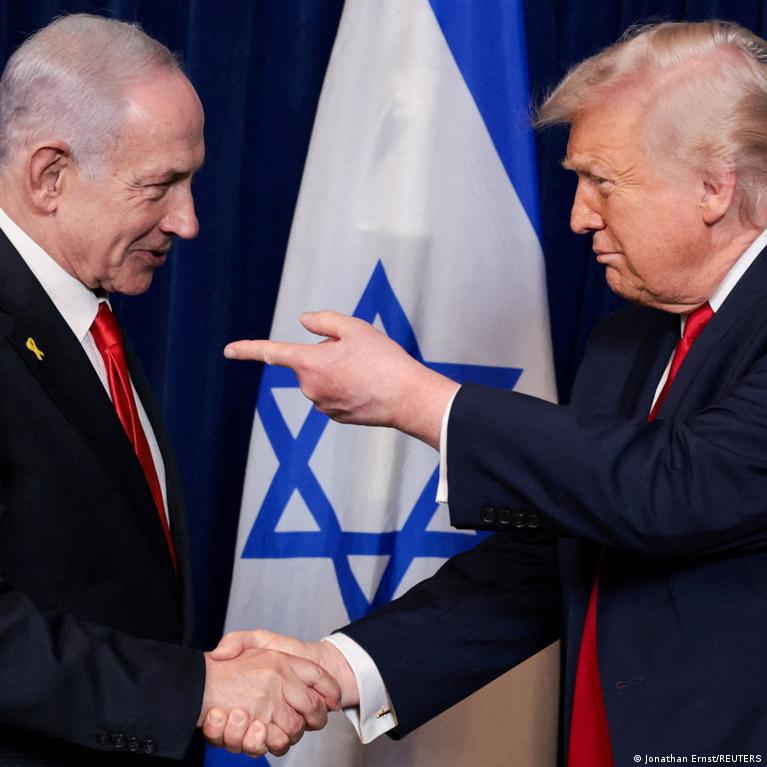
Anonymous sources from the US Defense Intelligence Agency reportedly leaked information indicating the Pentagon has elevated Israel to its highest counterintelligence threat category due to expanded intelligence activities, though the US government and Israel have both denied the reports. Espionage among close allies has a long documented history, including the Jonathan Pollard case in 1987 and revelations from Edward Snowden's 2013 leaks that ranked Israel as the third-most aggressive intelligence service against the US. The reports highlight a persistent tension in US-Israel relations despite their strategic partnership, reflecting a broader pattern of mutual surveillance among allied nations.