Trump Administration Plans to Significantly Reduce or Eliminate Office of Director of National Intelligence
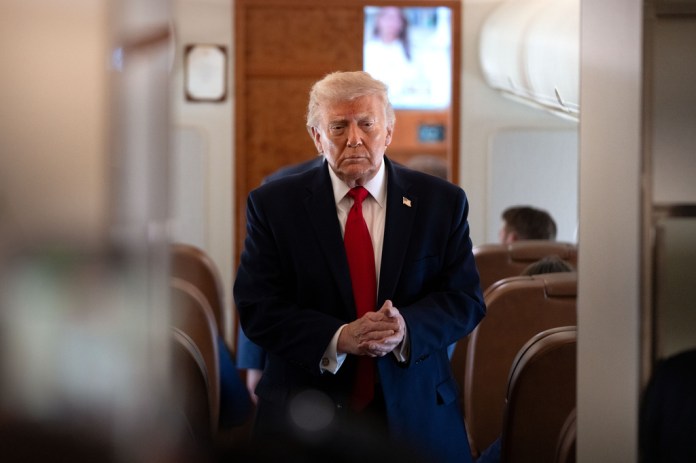
President Trump is using acting DNI Bill Pulte to downsize or potentially eliminate the Office of the Director of National Intelligence (ODNI), an agency Trump has long criticized as unnecessary bureaucracy. The ODNI was created after 9/11 to coordinate intelligence sharing across 18 agencies, but Trump and his advisers argue the CIA should oversee the intelligence community instead. The move reflects Trump's broader effort to reduce what he views as deep state overreach, though critics including former CIA Director John Brennan question whether such restructuring can be done effectively.
According to Trump administration insiders quoted by the Washington Examiner, President Trump plans to use Bill Pulte's tenure as acting Director of National Intelligence to substantially reduce or eliminate the agency, which Trump has privately called a "fake" and unnecessary bureaucracy. The ODNI was established by Congress following the September 11 attacks to improve intelligence coordination among the 18 U.S. intelligence agencies, replacing the previous system where the CIA director held concurrent authority. Trump has directed Pulte to begin firing staff and "shake up" the agency before a permanent DNI nominee faces confirmation. The agency has already shrunk from roughly 2,000 employees at the start of Trump's first term to 1,700 by the start of his second, with outgoing DNI Tulsi Gabbard cutting staff by approximately 50%. Trump's advisers argue the DNI position lacks real operational power compared to the CIA and functions primarily as a "bureaucratic warehouse." Even former CIA Director John Brennan, often criticized by Trump, acknowledged the agency could be streamlined, though he expressed concern about Pulte's lack of intelligence community experience.
What's missing
The article does not include statements from current ODNI leadership, the intelligence community's official position on the proposed changes, or analysis of how eliminating or severely reducing ODNI could affect intelligence coordination across the 18 agencies. Additionally, no information is provided about the legal requirements that would need to be changed to restructure or eliminate the agency, given that Congress created it by statute.
What different sources said
- Washington ExaminerRight
Inside Trump’s plan to tear down ODNI, a ‘fake, bulls***’ agency
- Washington ExaminerRight
Trump primes Pulte to ‘execute the immediate and needed downsizing’ of ODNI
Related
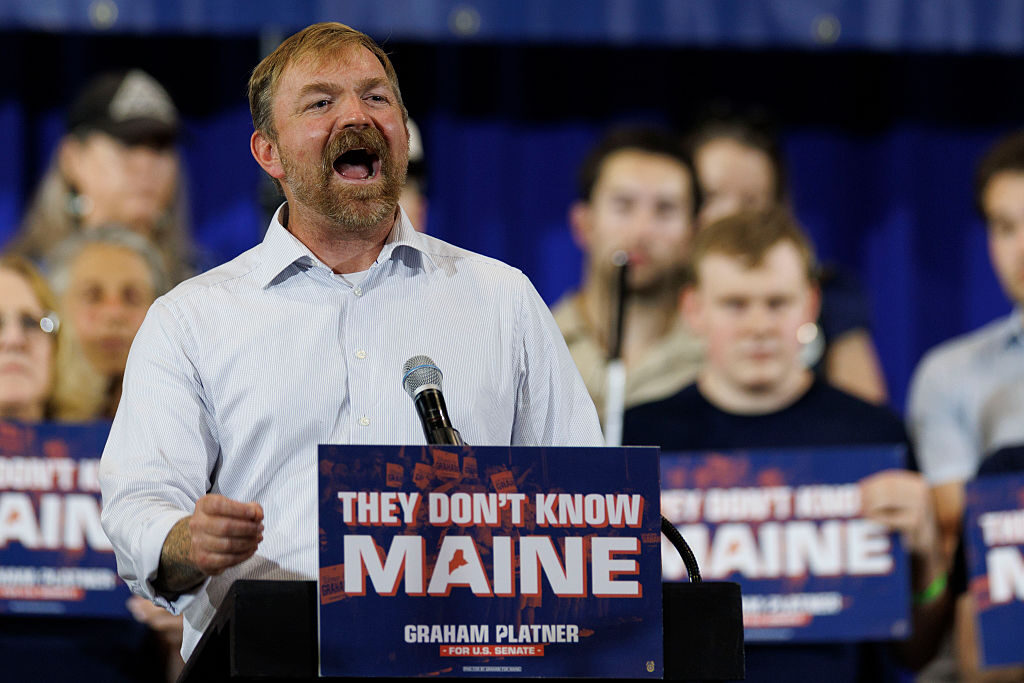
Halfway Through 2026 Primary Season: Six Key Takeaways from Congressional Races
Four more states held primaries this week, bringing the total to 26 states that have completed regular congressional primaries in the 2026 midterm cycle. Key patterns emerging include front-runners not always winning, House members struggling to advance to statewide office, and President Trump's endorsement record remaining largely successful despite low approval ratings. These trends are shaping the competitive landscape for the general election.
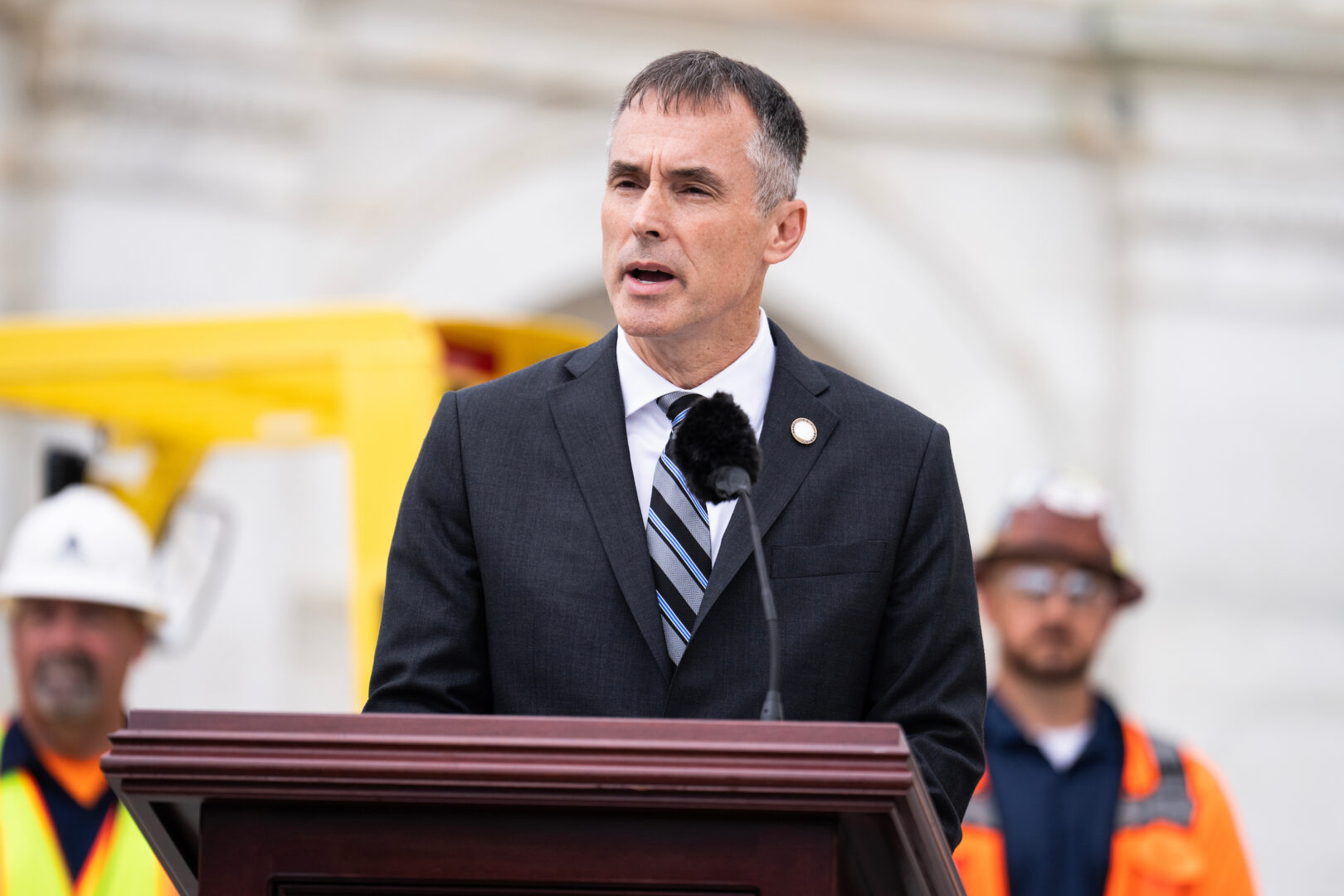
Congress Struggles to Build Support for $9 Billion Rayburn House Office Building Renovation
The Architect of the Capitol is pushing for a major renovation of the Rayburn House Office Building, which could cost $9 billion and last until 2045, but lawmakers remain hesitant to commit to the project. The building, constructed in 1965, is experiencing serious deterioration including 16 major leaks in the past year alone and risks of catastrophic system failure. The challenge reflects a broader political difficulty: Congress has historically been reluctant to fund its own infrastructure, with legislative branch spending averaging just 0.15 percent of total budget authority since 1976.

Study Finds College Faculty Lean Significantly Left, Raising Questions About Campus Ideological Diversity
A study commissioned by the Foundation for Individual Rights and Expression found that college faculty donors have an average ideology score of -1.02, comparable to Senator Bernie Sanders's -1.14, indicating strong leftward lean among faculty. The research cross-referenced over 100,000 faculty members with campaign contribution data, and separate surveys found only 20% of faculty believed a conservative scholar would be welcome in their department. The findings raise concerns about ideological diversity in higher education and its potential influence on student political attitudes.