Trump Administration Officials Back Coupang in Dispute with South Korea
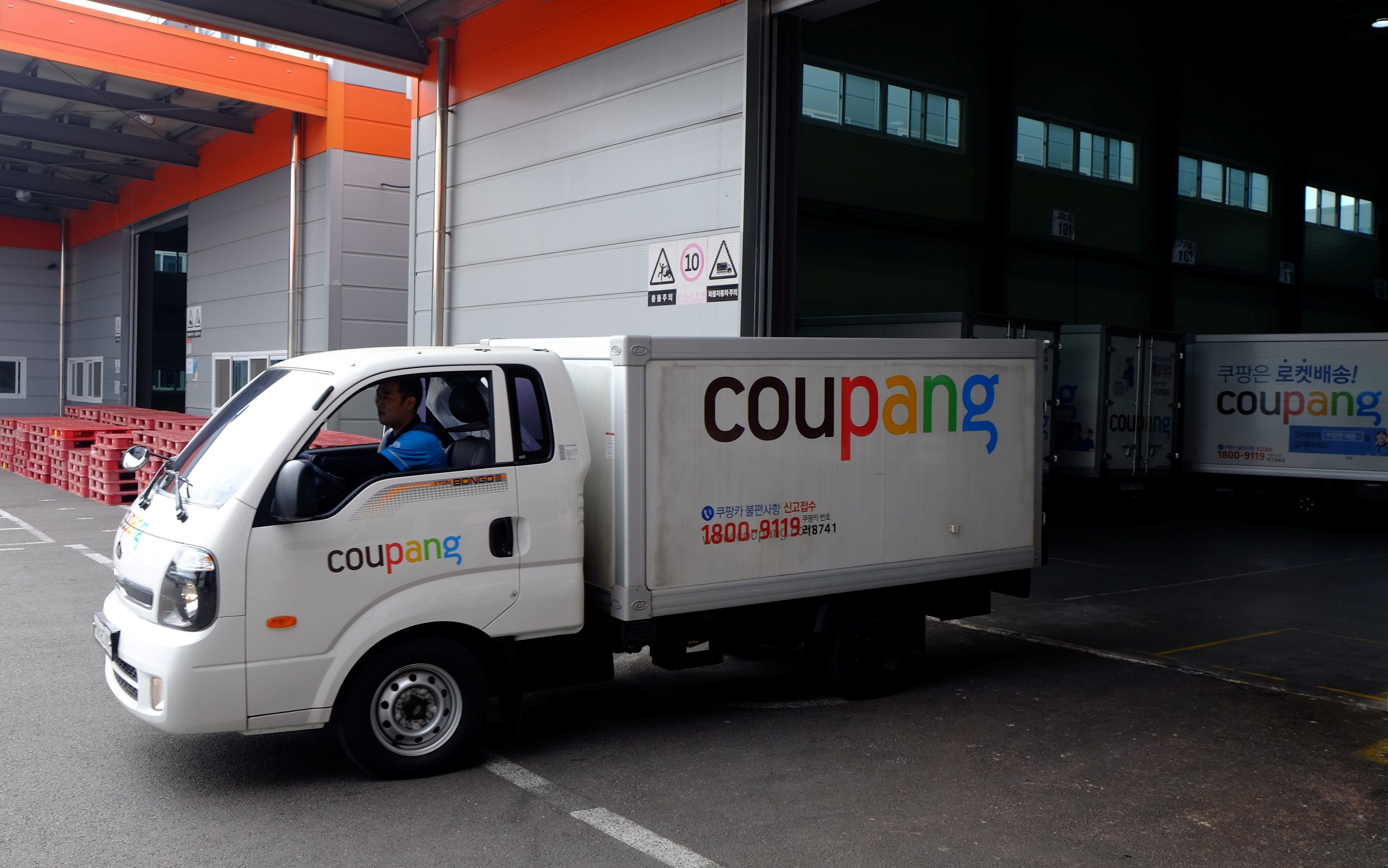
Senior Trump administration officials and Republican lawmakers are publicly supporting Coupang, a South Korean e-commerce company with US headquarters, in its dispute with Seoul over regulatory treatment and a major data breach. The company has hired prominent Republican lobbyists and former Trump aides, and the controversy is stalling a $350 billion US-South Korea trade agreement. The alignment illustrates how corporate access to Trump's political network can influence US trade policy and diplomatic relations.
Coupang, South Korea's largest online retailer that relocated its corporate headquarters to Washington state in 2021, has secured backing from Vice President JD Vance, Secretary of State Marco Rubio, Commerce Secretary Howard Lutnick, and over 50 Republican lawmakers in its dispute with the South Korean government. The company alleges discriminatory treatment including excessive fines and aggressive investigations following a 2024 data breach affecting 33 million user accounts. Coupang has hired MAGA-aligned lobbyists including Ballard Partners and Miller Strategies, and recruited former Trump White House aide Rob Porter as chief global affairs officer. South Korea's government counters that its investigation is proportionate to the breach's scale and consistent with treatment of Korean companies in similar cases. The dispute has stalled a major US-South Korea trade agreement, with Trump advisers indicating the deal will remain blocked until the Coupang issue is resolved.
What's missing
The specific nature of the alleged discriminatory regulations and enforcement actions beyond the data breach investigation is not detailed. Additionally, the article does not explain what form the US Trade Representative's proposed resolution might take or what concessions either side might be willing to make.
What different sources said
- SemaforCenter
Trumpworld connections are fueling Coupang’s clash with South Korea
Related
Halfway Through 2026 Primary Season: Six Key Takeaways from Congressional Races
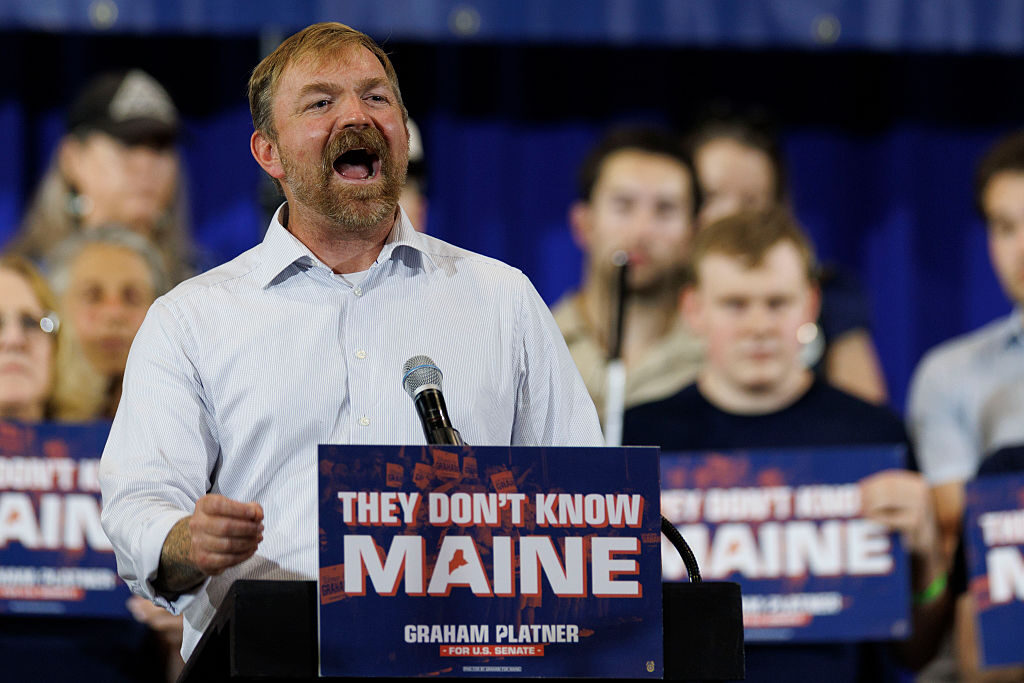
Four more states held primaries this week, bringing the total to 26 states that have completed regular congressional primaries in the 2026 midterm cycle. Key patterns emerging include front-runners not always winning, House members struggling to advance to statewide office, and President Trump's endorsement record remaining largely successful despite low approval ratings. These trends are shaping the competitive landscape for the general election.
Congress Struggles to Build Support for $9 Billion Rayburn House Office Building Renovation
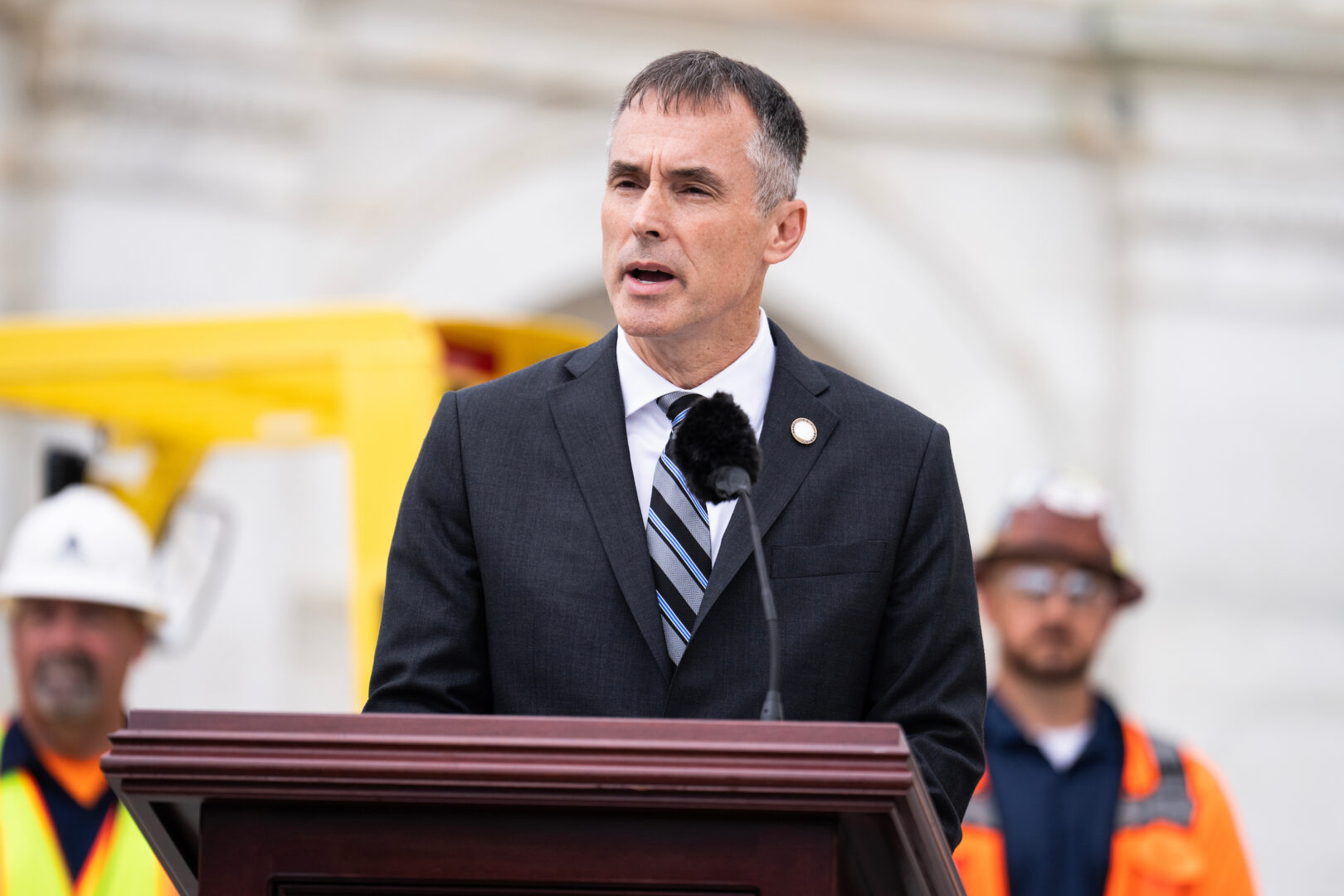
The Architect of the Capitol is pushing for a major renovation of the Rayburn House Office Building, which could cost $9 billion and last until 2045, but lawmakers remain hesitant to commit to the project. The building, constructed in 1965, is experiencing serious deterioration including 16 major leaks in the past year alone and risks of catastrophic system failure. The challenge reflects a broader political difficulty: Congress has historically been reluctant to fund its own infrastructure, with legislative branch spending averaging just 0.15 percent of total budget authority since 1976.

Study Finds College Faculty Lean Significantly Left, Raising Questions About Campus Ideological Diversity
A study commissioned by the Foundation for Individual Rights and Expression found that college faculty donors have an average ideology score of -1.02, comparable to Senator Bernie Sanders's -1.14, indicating strong leftward lean among faculty. The research cross-referenced over 100,000 faculty members with campaign contribution data, and separate surveys found only 20% of faculty believed a conservative scholar would be welcome in their department. The findings raise concerns about ideological diversity in higher education and its potential influence on student political attitudes.