Trump Administration Halts IRS Audits of President, Family, and Associates

The Trump administration announced that the IRS will cease audits of the president, his family, and their affiliates, according to acting US attorney general Todd Blanche's statement to Congress. This decision came as the administration abandoned a separate $1.8 billion "anti-weaponization fund" intended to compensate Trump allies who claimed unfair prosecution. The IRS audit immunity represents a significant self-dealing arrangement that has received less public attention than the scrapped compensation fund.
Acting US Attorney General Todd Blanche announced to Congress that the IRS will be barred from continuing audits of President Trump, his family, and their "affiliates." This announcement came alongside the administration's decision to abandon a $1.8 billion fund designed to compensate Trump's political allies who claimed to have been unfairly prosecuted by the government, including potentially those convicted in connection with the January 6 Capitol riot. While the scrapped compensation fund generated significant public and congressional attention—prompting Senate Republican opposition—the IRS audit immunity announcement received considerably less media coverage. The decision effectively grants Trump immunity from IRS audits of his past tax returns, a privilege unavailable to most Americans. Critics characterize this arrangement as a form of self-dealing that raises questions about presidential accountability and the equal application of tax law.
What's missing
The scope and timeline of the IRS audit halt are unclear—specifically, whether it applies only to ongoing audits or also prevents new ones, and whether it covers audits initiated before or after the announcement. Additionally, the legal basis for the administration's authority to direct the IRS to cease audits is not explained, nor is any response from the IRS or relevant congressional oversight committees provided.
What different sources said
- The Guardian USLeft
Trump’s slush fund is gone – but his IRS agreement is a new level of self-dealing | Mohamad Bazzi
Related
Halfway Through 2026 Primary Season: Six Key Takeaways from Congressional Races
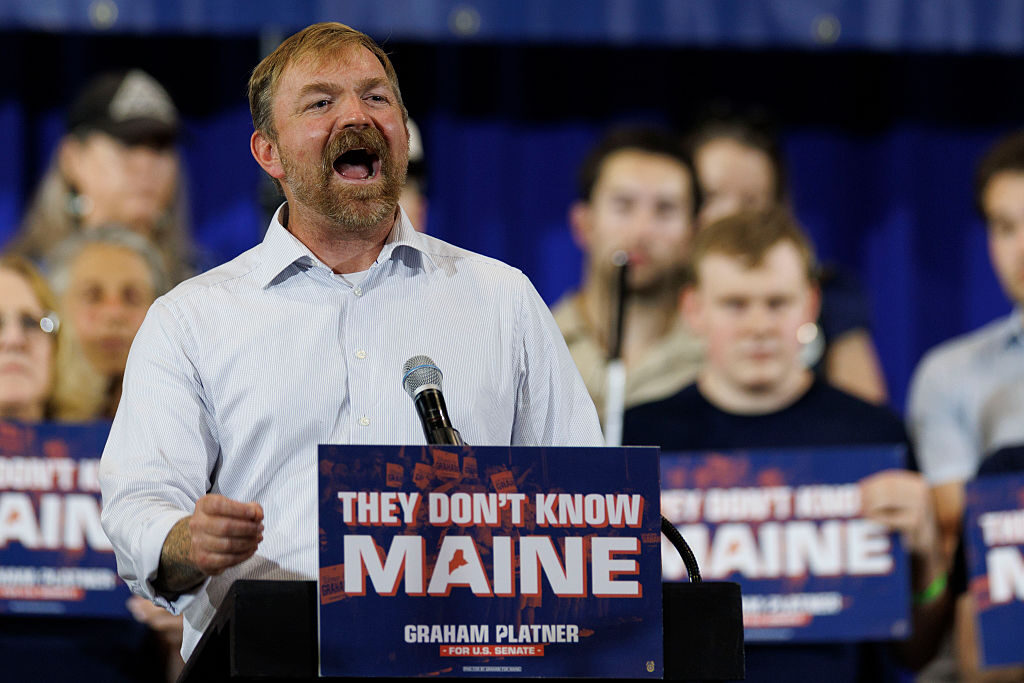
Four more states held primaries this week, bringing the total to 26 states that have completed regular congressional primaries in the 2026 midterm cycle. Key patterns emerging include front-runners not always winning, House members struggling to advance to statewide office, and President Trump's endorsement record remaining largely successful despite low approval ratings. These trends are shaping the competitive landscape for the general election.
Congress Struggles to Build Support for $9 Billion Rayburn House Office Building Renovation
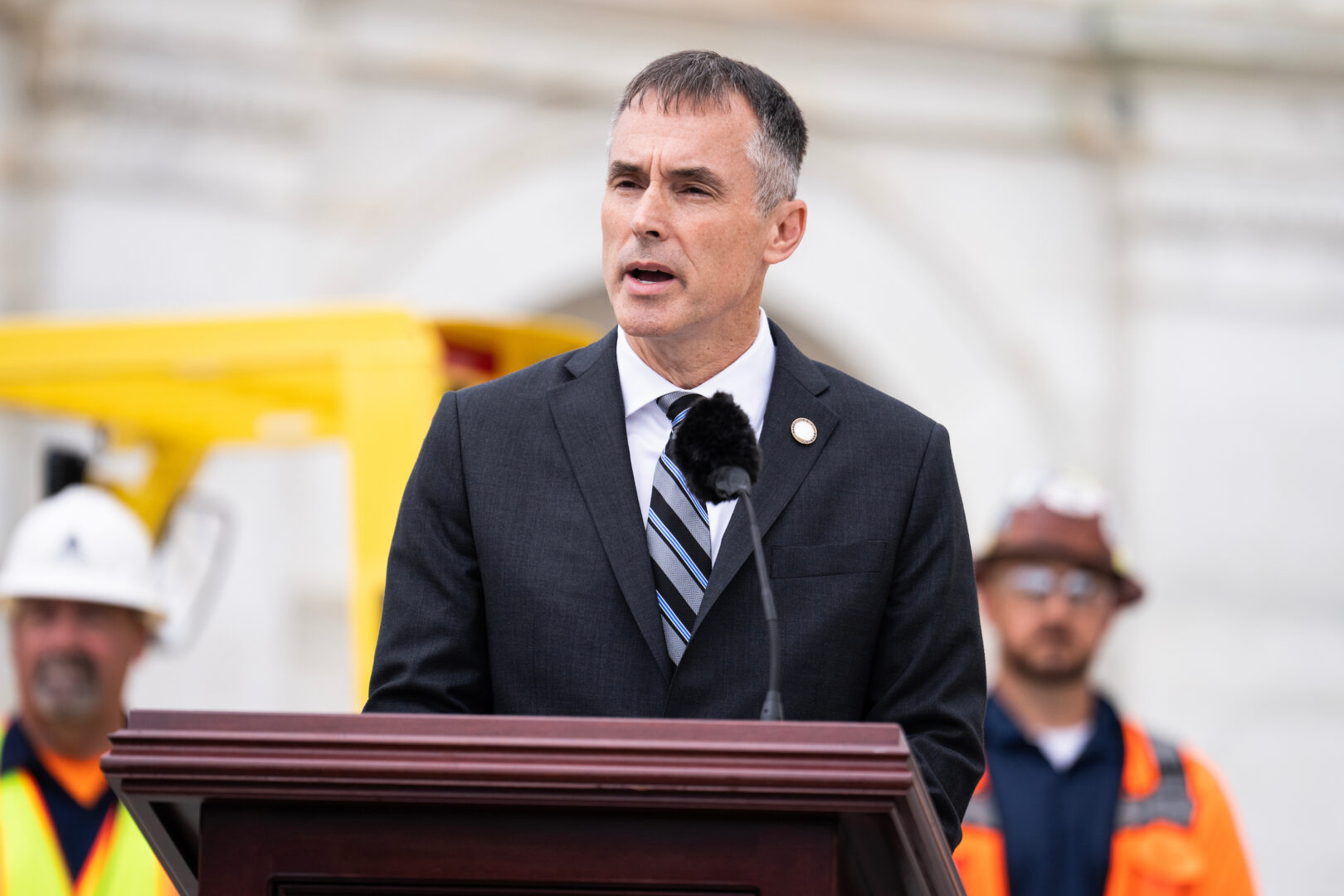
The Architect of the Capitol is pushing for a major renovation of the Rayburn House Office Building, which could cost $9 billion and last until 2045, but lawmakers remain hesitant to commit to the project. The building, constructed in 1965, is experiencing serious deterioration including 16 major leaks in the past year alone and risks of catastrophic system failure. The challenge reflects a broader political difficulty: Congress has historically been reluctant to fund its own infrastructure, with legislative branch spending averaging just 0.15 percent of total budget authority since 1976.

Study Finds College Faculty Lean Significantly Left, Raising Questions About Campus Ideological Diversity
A study commissioned by the Foundation for Individual Rights and Expression found that college faculty donors have an average ideology score of -1.02, comparable to Senator Bernie Sanders's -1.14, indicating strong leftward lean among faculty. The research cross-referenced over 100,000 faculty members with campaign contribution data, and separate surveys found only 20% of faculty believed a conservative scholar would be welcome in their department. The findings raise concerns about ideological diversity in higher education and its potential influence on student political attitudes.