Trump Administration Grants Volvo Exception to Chinese Auto Sales Ban
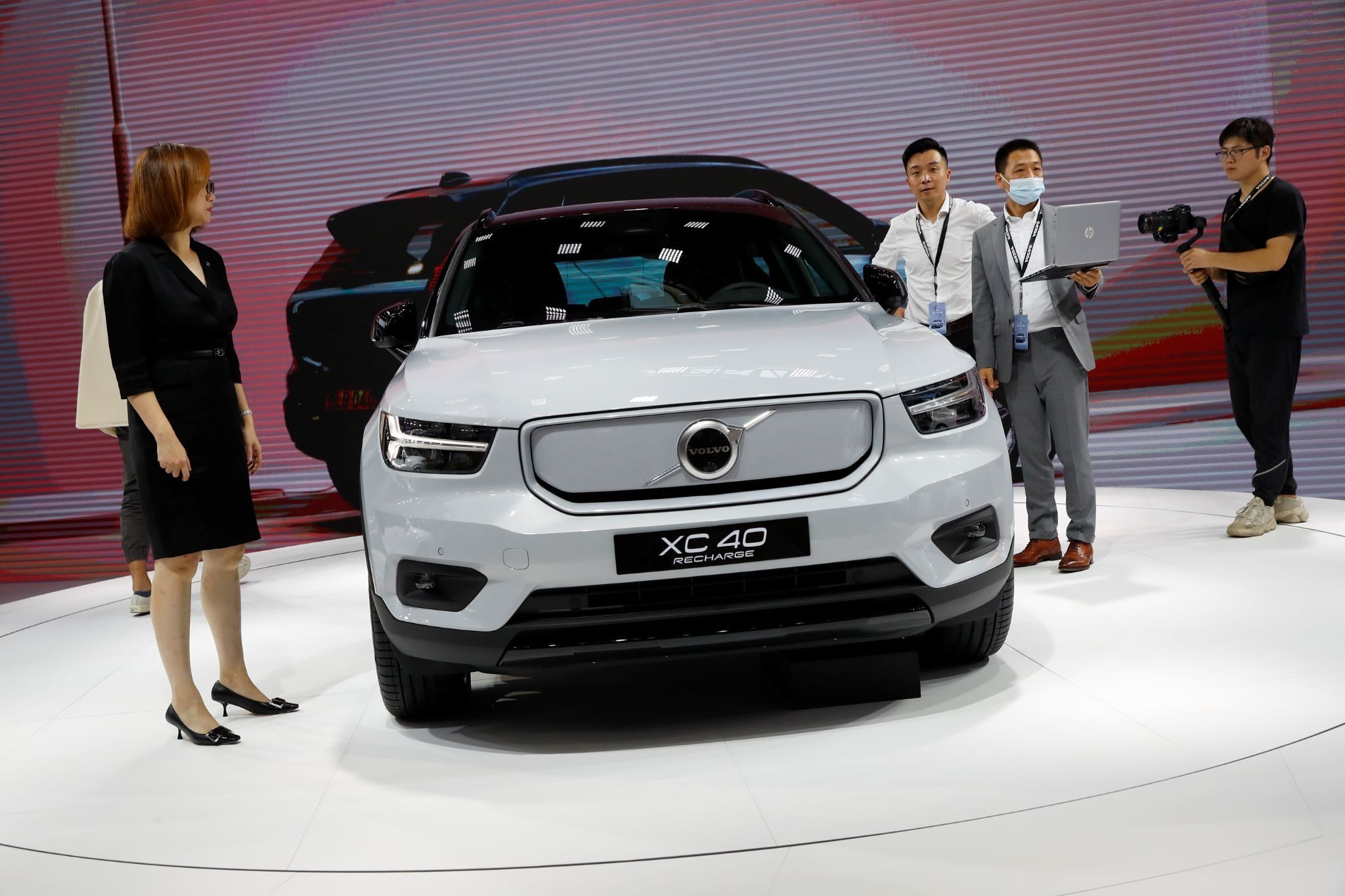
The Trump administration approved continued US sales for Volvo, a Chinese-owned automaker, despite a Biden-era rule that bans nearly all China-connected vehicles. The move creates uncertainty about whether other Chinese carmakers might gain similar access to the American market. The decision highlights tensions between Trump's openness to Chinese investment and lawmakers' national security concerns about foreign auto manufacturers.
The Trump administration has permitted Volvo, which is owned by Chinese interests, to continue selling vehicles in the United States, marking a notable exception to the Biden administration's restrictive policy on China-connected automobiles. A Biden-era rule effectively blocks nearly all vehicles with Chinese connections, while punitive tariffs have further prevented Chinese EV makers from entering the US market. However, US officials clarified to Bloomberg that the Volvo approval should not be interpreted as a signal that Washington is considering similar authorizations for other Chinese automakers. Lawmakers have pushed for even stricter restrictions, citing national security concerns, though President Trump has publicly stated he would welcome Chinese car manufacturing plants in the United States. The decision underscores the ongoing debate between economic openness and security considerations in US-China trade relations.
What different sources said
- SemaforCenter
Trump administration approves US sales for Chinese-owned Volvo
Related
U.S. Markets Stage Rebounds Following Chip Stock Selloff
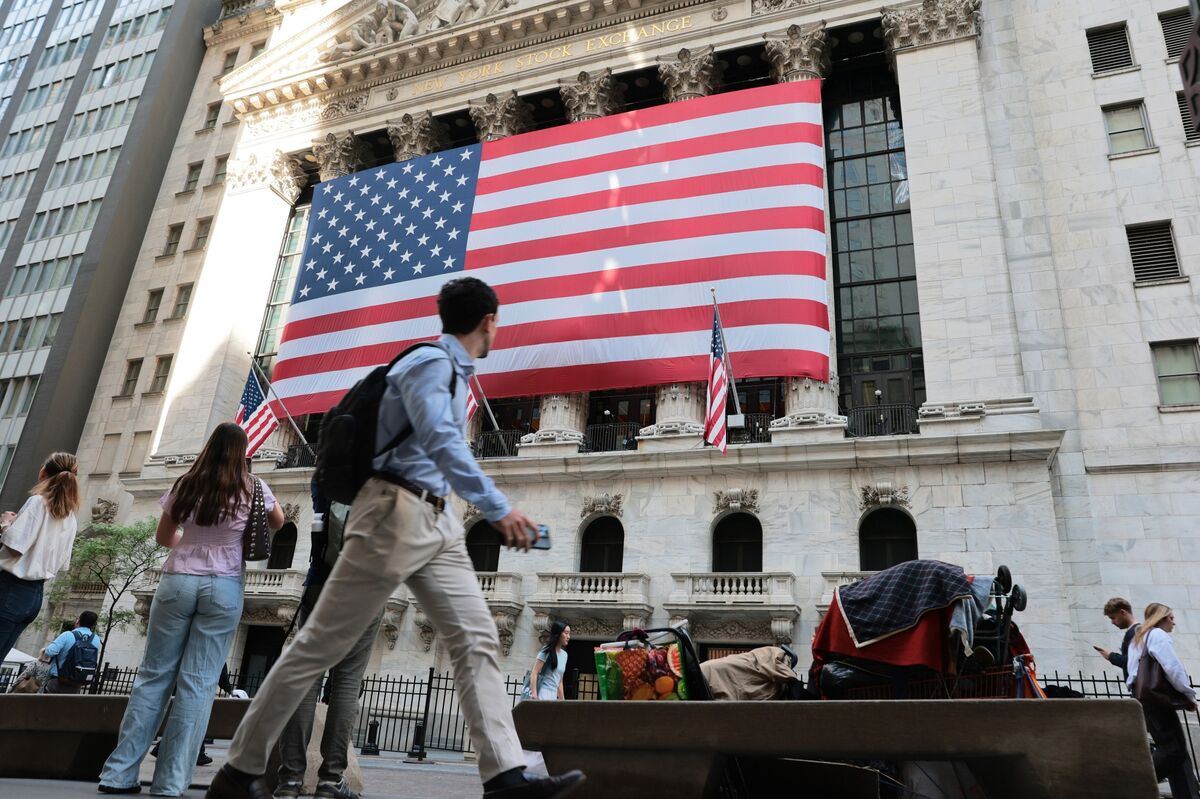
U.S. markets have rebounded twice following a dramatic Friday selloff in chip stocks, with gains at Monday's open and Tuesday afternoon. The Nasdaq 100 remains down 4.25% for the month despite the recoveries, and volatility has increased sharply. The pattern reflects the market's traditional 'buy the dip' behavior as investors resist giving up recent gains.
Japan's 30-Year Bond Auction Sees Weakest Demand in Over a Year
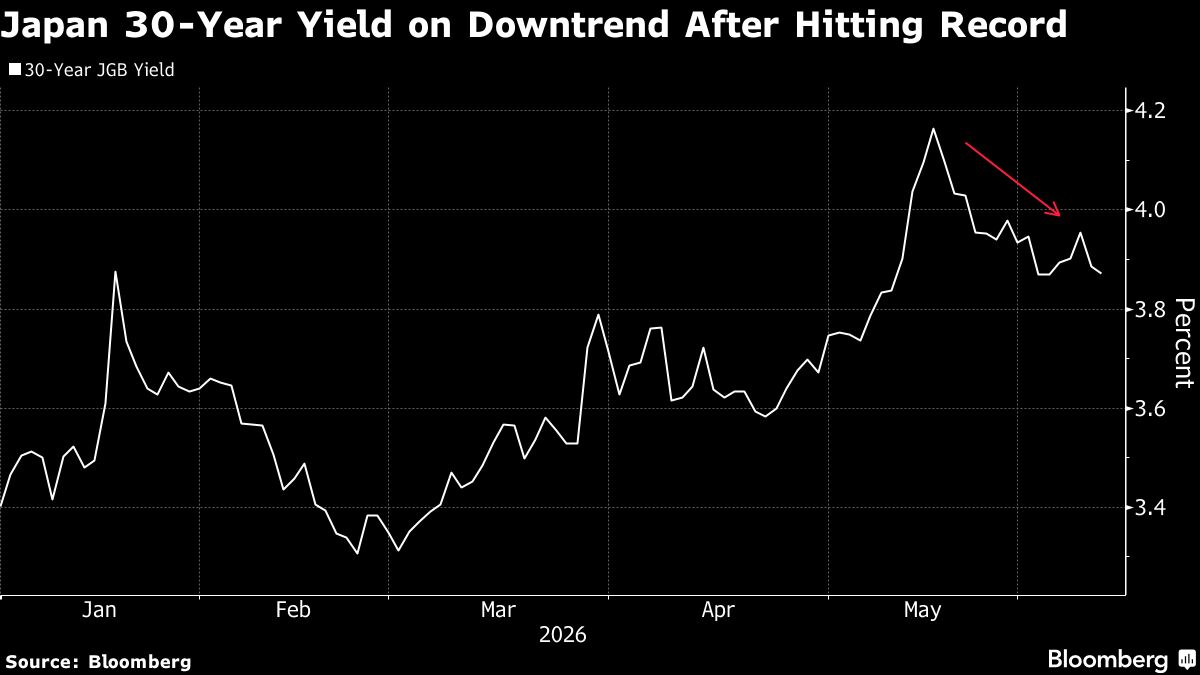
Japan's 30-year government bond auction on June 10, 2026 attracted the weakest demand since June 2025, with a bid-to-cover ratio of 2.94 compared to the previous 3.49. The decline reflects investor concerns over inflation and fiscal policy, as well as falling yields reducing appetite for the bonds. Weak bond demand can signal investor anxiety about Japan's economic outlook and fiscal sustainability.
HKEx CEO Bonnie Chan Calls Potential SpaceX Listing an 'Exciting Deal'
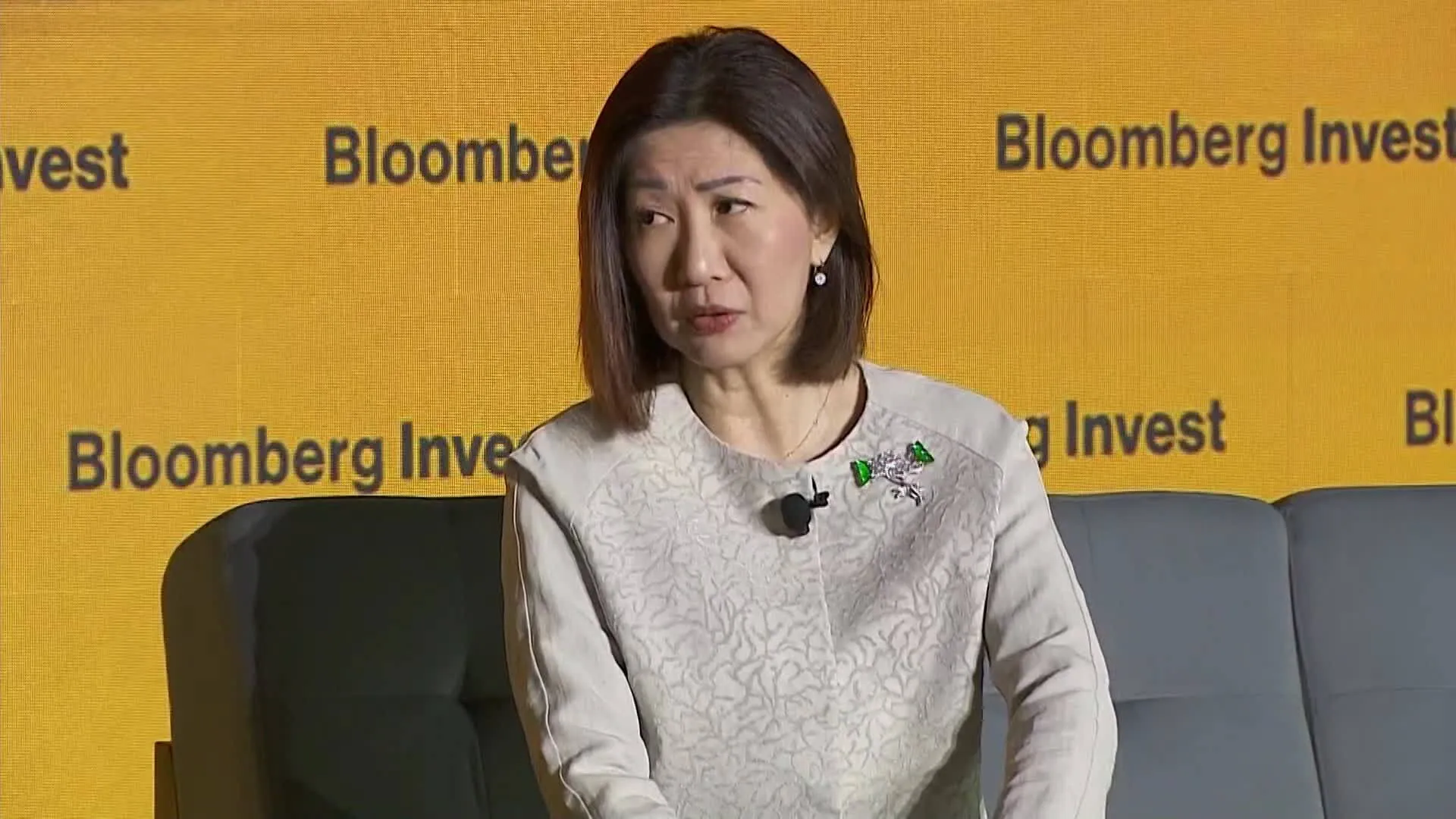
Hong Kong Exchanges and Clearing (HKEx) CEO Bonnie Chan expressed enthusiasm about a potential SpaceX listing, describing it as an exciting opportunity. Chan highlighted that Chinese supply chains have broad coverage relevant to such a deal. The statement suggests HKEx's interest in attracting major space industry companies to its exchange.