Trump Administration Challenges California's Vote-Counting Process Following Primary Election

President Trump alleged election fraud in California's primary election after his preferred candidate Spencer Pratt lost in the Los Angeles mayoral race, prompting federal election fraud investigations. California's vote-by-mail system, which accepts ballots for seven days after Election Day, naturally delayed final results as mail-in ballots (typically Democratic) were counted after in-person ballots (typically Republican). The dispute highlights ongoing tensions between the Trump administration and California over election procedures, with critics characterizing the federal investigations as performative rather than substantive.
Following California's nonpartisan primary election, President Trump alleged widespread fraud after reality television personality Spencer Pratt, his preferred candidate in the Los Angeles mayoral race, lost to progressive City Council member Nithya Raman. The First Assistant U.S. Attorney for the Central District of California subsequently announced election fraud investigations. However, election experts and officials note that the delayed shift in vote tallies was entirely consistent with California's established procedures: the state accepts mail-in ballots postmarked on or before Election Day for up to seven days after the election, and mail-in voters (who skew Democratic) are counted after in-person voters (who skew Republican). Legal experts quoted in reporting characterize the federal investigations as performative rather than substantive, noting that serious law enforcement typically keeps investigations confidential until indictments are issued. The situation reflects broader Trump administration efforts to challenge mail-in voting and federalize election procedures, despite constitutional provisions granting states authority over their own elections.
How coverage differed
Slate frames the federal investigations as a deliberate 'smoke-and-mirrors show' designed to 'seed doubt' and characterizes them as part of a pattern of 'phony prosecutions,' using language that explicitly questions the government's motives. The Hill presents the situation more neutrally as 'pressure' on California and 'criticism' of vote-counting processes, without directly characterizing the investigations as performative or politically motivated.
What different sources said
- SlateCenter
The Trump DOJ’s Threat Against California’s Vote Is a Bluff
- The Guardian USLeft
Trump’s claims about California vote-rigging are a grim preview of November | Moira Donegan
- The HillCenter
Trump's election fraud claims put pressure on California to speed up vote count
- SalonLeft
GOP’s bogus claims of fraud pose a dire threat to democracy
- The InterceptLeft
The Right’s “Election Fraud” Cry for Midterms Previewed in Primaries
Trump prosecutor in L.A. pushing unusual public search for voter fraud before count is in
- Fox NewsRight
California accused of blocking federal voter roll audit as DOJ escalates probe of election fraud claims
- New York PostRight
Florida Sen. Rick Scott urges DOJ probe amid California voter fraud scandal
Related

Workers Begin Removing Trump's Name from Kennedy Center Facade After Court-Ordered Deadline
Workers started stripping President Trump's name from the exterior of the Kennedy Center in Washington overnight Friday into Saturday, hours past a court-ordered deadline of 11:59 p.m. Friday. The delay was attributed to nearby thunderstorms, and the Kennedy Center's board sought a 12-hour extension, which U.S. District Judge Christopher Cooper had already denied after rejecting the board's last-minute attempt to halt the order. The removal marks a significant legal rebuke of the Trump administration's effort to rename the historic performing arts venue, with a court ruling that only Congress has the authority to change the Kennedy Center's name.
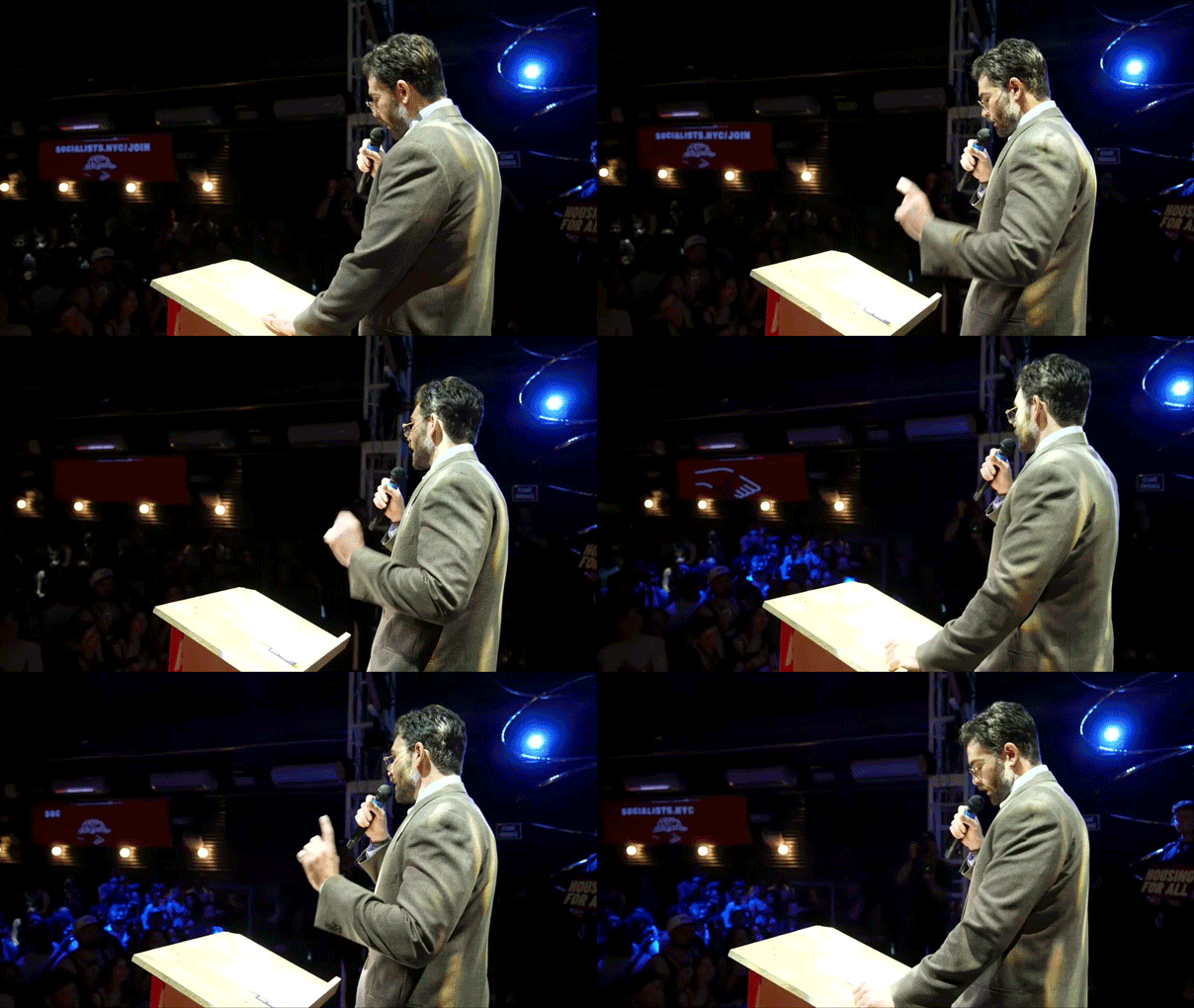
Hasan Piker Campaigns for DSA-Backed NYC Candidates, Sparking Debate Over Democratic Party Direction
Twitch streamer Hasan Piker rallied in Brooklyn for two Democratic Socialist of America-endorsed congressional candidates ahead of New York's June 23 primary, declaring the country is 'closer than ever' to socialism. The appearances come amid a broader debate within the Democratic Party over whether to embrace or distance itself from Piker, whose pro-Palestinian views and provocative statements have made him a polarizing figure. The controversy highlights a growing tension between the party's centrist establishment and its increasingly left-leaning base, particularly on foreign policy.
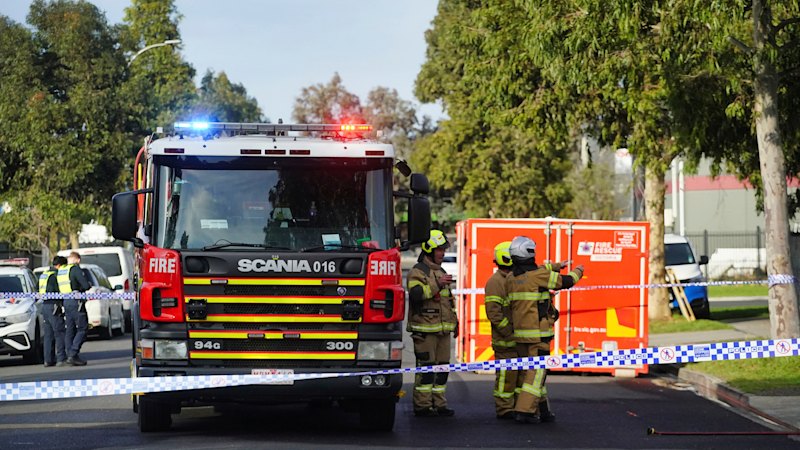
Fire Rescue Victoria Has Missed Emergency Response Targets Every Year Since 2020, With Outer Suburbs Worst Affected
Fire Rescue Victoria (FRV) has failed to meet its target of responding to 90 per cent of structural fires within seven minutes and 42 seconds in every year since its formation in 2020, with outer suburban areas recording the worst performance. The shortfall has come into sharp focus following the death of three-year-old Jordan Dashwood in a Werribee house fire this month, where the nearest FRV truck was committed to another incident and the first responders arrived well outside the benchmark time. The findings raise serious questions about whether the 2020 fire services restructure has been adequately resourced to protect Melbourne's rapidly growing outer suburbs.