Trinamool Congress Denies Merger Speculation with Congress Amid INDIA Bloc Meetings
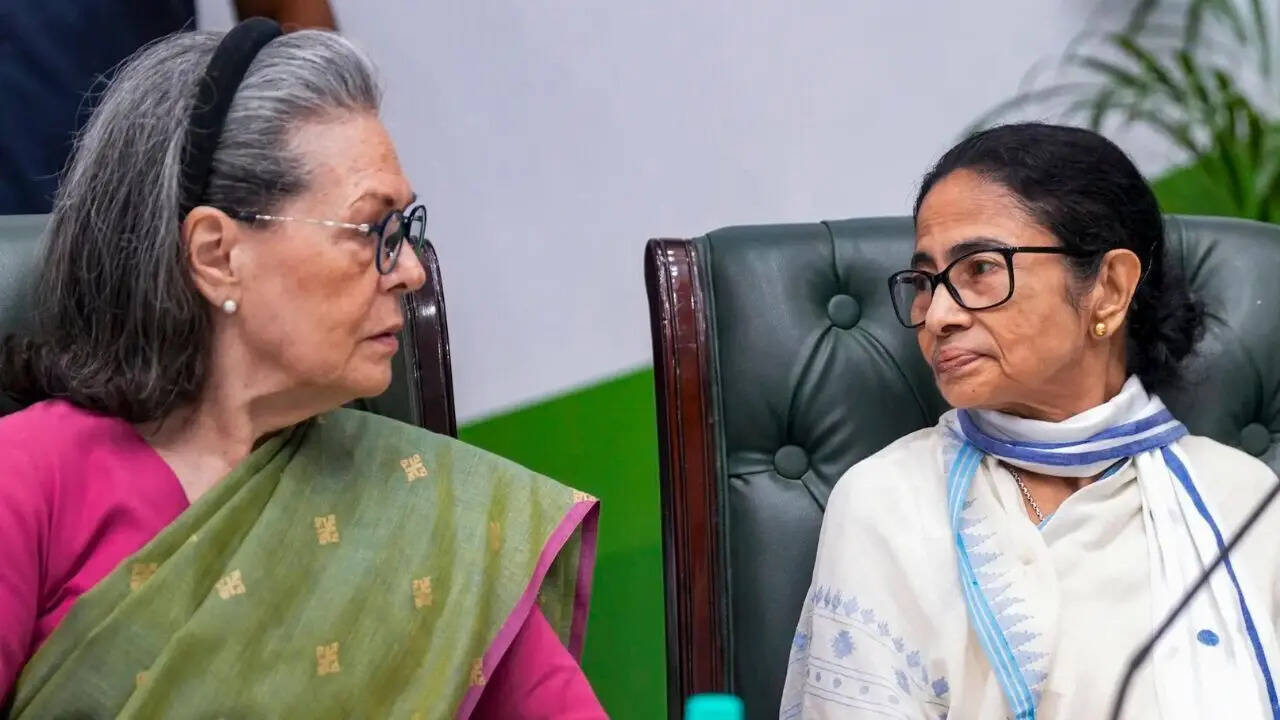
Trinamool Congress refuted reports of a possible merger with Congress after high-level meetings between party leaders Mamata Banerjee and Sonia Gandhi, and between Abhishek Banerjee and Rahul Gandhi. The denial came amid speculation following INDIA bloc huddles and TMC's internal political crisis marked by leader resignations. The clarification is significant as it addresses concerns about the stability and unity of the opposition alliance ahead of potential political challenges.
Trinamool Congress officially dismissed merger rumors with Congress on Wednesday, with party sources denying that any such discussion occurred during recent meetings between senior leaders. Mamata Banerjee met Congress Parliamentary Party chief Sonia Gandhi at her residence in New Delhi on Tuesday, while TMC MP Abhishek Banerjee separately met Rahul Gandhi. According to sources, the meetings focused on opposition unity and strengthening the INDIA bloc's collective stance against the BJP, rather than organizational restructuring. Mamata reportedly emphasized that opposition constituents should set aside past differences and work together, marking a notable shift from her earlier efforts to build an independent bloc separate from Congress. The timing of these meetings coincided with TMC's internal turmoil, including ongoing leader resignations and alleged attacks on party workers following the 2024 Lok Sabha elections.
What different sources said
- Times of IndiaCenter
Merger rumours swirl after Congress-TMC huddles; Trinamool says 'not happening'
- Times of IndiaCenter
'All rumours incorrect': TMC rubbishes reports of merger with Congress
- NDTVCenter
'Offer Has To Come From Trinamool': Congress Sources Amid Merger Buzz
- Times of IndiaCenter
'All rumours incorrect': TMC rubbishes reports of merger with Congress
Related
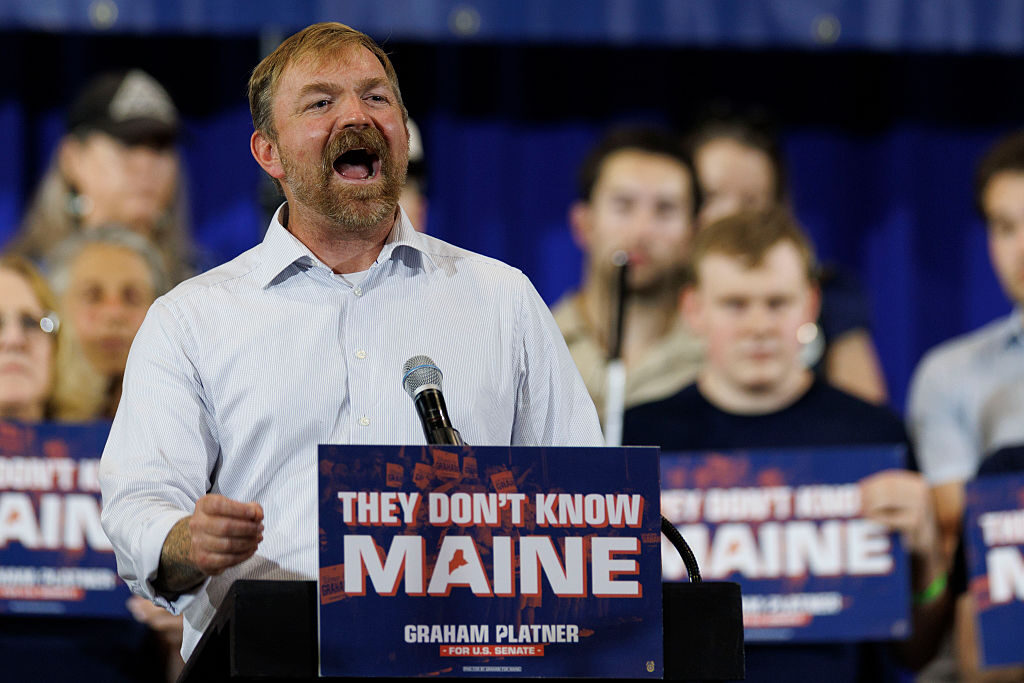
Halfway Through 2026 Primary Season: Six Key Takeaways from Congressional Races
Four more states held primaries this week, bringing the total to 26 states that have completed regular congressional primaries in the 2026 midterm cycle. Key patterns emerging include front-runners not always winning, House members struggling to advance to statewide office, and President Trump's endorsement record remaining largely successful despite low approval ratings. These trends are shaping the competitive landscape for the general election.
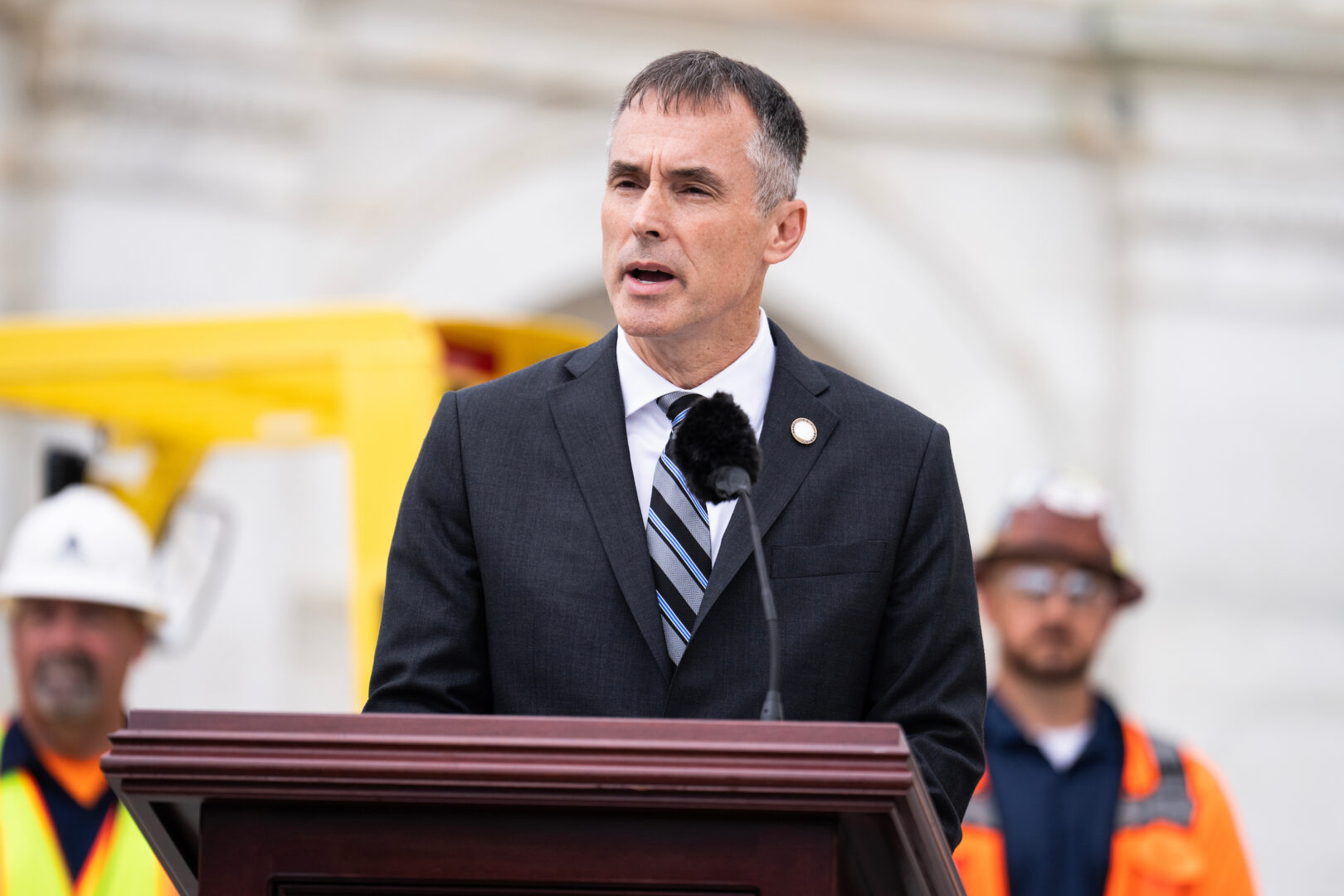
Congress Struggles to Build Support for $9 Billion Rayburn House Office Building Renovation
The Architect of the Capitol is pushing for a major renovation of the Rayburn House Office Building, which could cost $9 billion and last until 2045, but lawmakers remain hesitant to commit to the project. The building, constructed in 1965, is experiencing serious deterioration including 16 major leaks in the past year alone and risks of catastrophic system failure. The challenge reflects a broader political difficulty: Congress has historically been reluctant to fund its own infrastructure, with legislative branch spending averaging just 0.15 percent of total budget authority since 1976.

Study Finds College Faculty Lean Significantly Left, Raising Questions About Campus Ideological Diversity
A study commissioned by the Foundation for Individual Rights and Expression found that college faculty donors have an average ideology score of -1.02, comparable to Senator Bernie Sanders's -1.14, indicating strong leftward lean among faculty. The research cross-referenced over 100,000 faculty members with campaign contribution data, and separate surveys found only 20% of faculty believed a conservative scholar would be welcome in their department. The findings raise concerns about ideological diversity in higher education and its potential influence on student political attitudes.