Trade Deficit Narrows in April; Analysis Disputes Tariff Credit
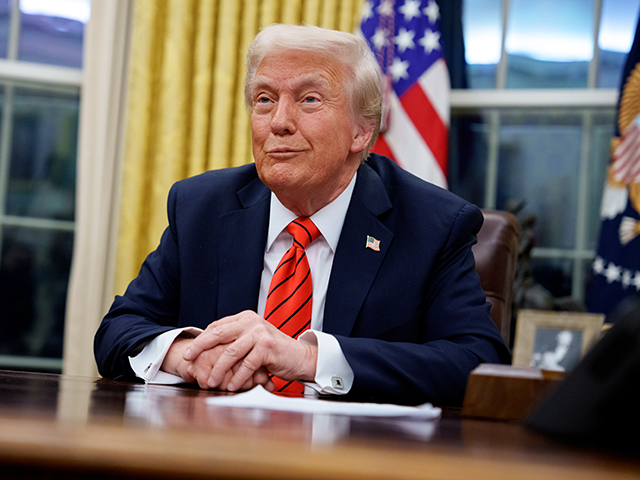
The U.S. goods and services trade deficit narrowed 1.2% to $55.9 billion in April, with exports rising 2.6% to a record $327.1 billion. The article attributes much of the improvement to petroleum exports driven by Middle East geopolitical factors and a surge in AI-related imports, rather than tariff policy. The analysis suggests that when normalized for these factors, underlying trade improvements are more modest than headline figures suggest.
The U.S. trade deficit declined slightly in April 2026 to $55.9 billion, down from $56.6 billion in March, with year-over-year improvements of approximately 7.3%. However, the analysis identifies three major factors distorting the headline figures: a petroleum export surge driven by geopolitical tensions and crude prices above $100 per barrel (adding $13.4 billion to the surplus compared to April 2025), a historic 148% increase in AI infrastructure imports year-over-year, and front-loading of imports ahead of threatened tariffs. When normalized for petroleum exports and AI capital goods imports, the underlying April deficit is estimated at approximately $23 billion—representing a 67% improvement over April 2024's comparable baseline. The article argues that while Trump administration energy policies deserve some credit for petroleum export capacity, tariff policy itself receives limited credit for the deficit reduction, with much of the improvement attributable to external geopolitical factors and structural shifts in global trade patterns.
What's missing
The article does not provide independent verification of the trade data figures cited, nor does it include commentary from economists outside the Breitbart editorial perspective on the validity of the normalization methodology used to adjust for petroleum and AI imports. The specific tariff policies implemented and their measurable trade impacts are not detailed.
What different sources said
- BreitbartFar Right
Breitbart Business Digest: Trade Data Shows Trump's Tariffs Are Working
Related

U.S. Markets Stage Rebounds Following Chip Stock Selloff
U.S. markets have rebounded twice following a dramatic Friday selloff in chip stocks, with gains at Monday's open and Tuesday afternoon. The Nasdaq 100 remains down 4.25% for the month despite the recoveries, and volatility has increased sharply. The pattern reflects the market's traditional 'buy the dip' behavior as investors resist giving up recent gains.
Japan's 30-Year Bond Auction Sees Weakest Demand in Over a Year
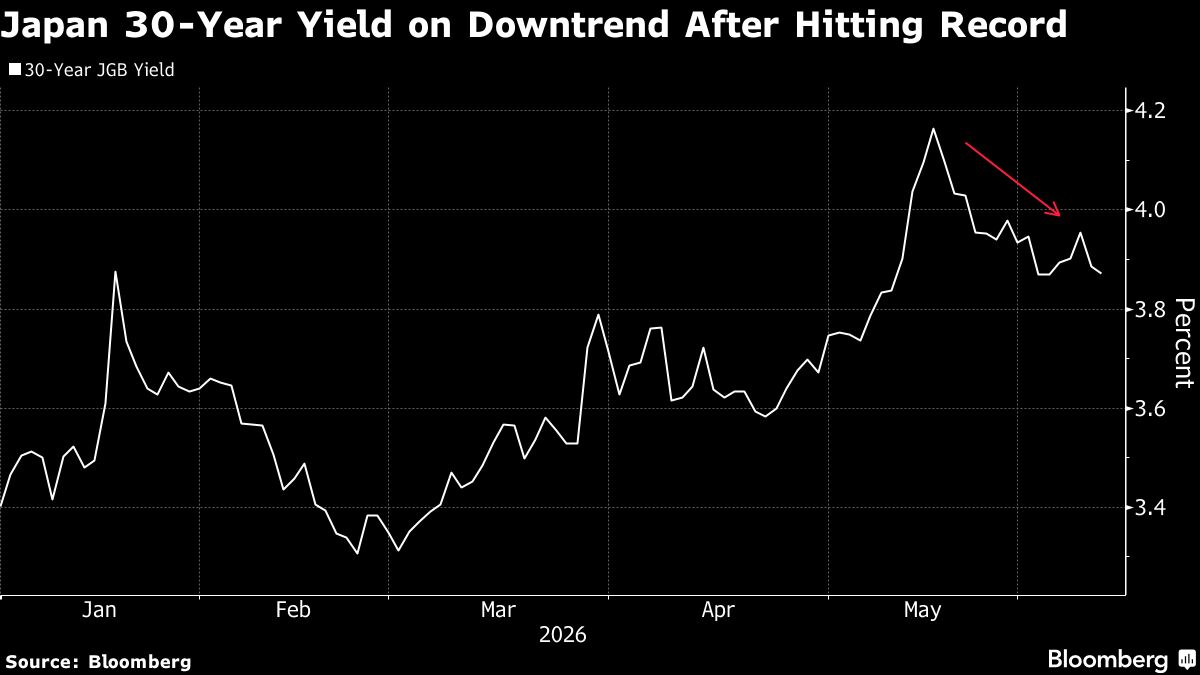
Japan's 30-year government bond auction on June 10, 2026 attracted the weakest demand since June 2025, with a bid-to-cover ratio of 2.94 compared to the previous 3.49. The decline reflects investor concerns over inflation and fiscal policy, as well as falling yields reducing appetite for the bonds. Weak bond demand can signal investor anxiety about Japan's economic outlook and fiscal sustainability.
HKEx CEO Bonnie Chan Calls Potential SpaceX Listing an 'Exciting Deal'
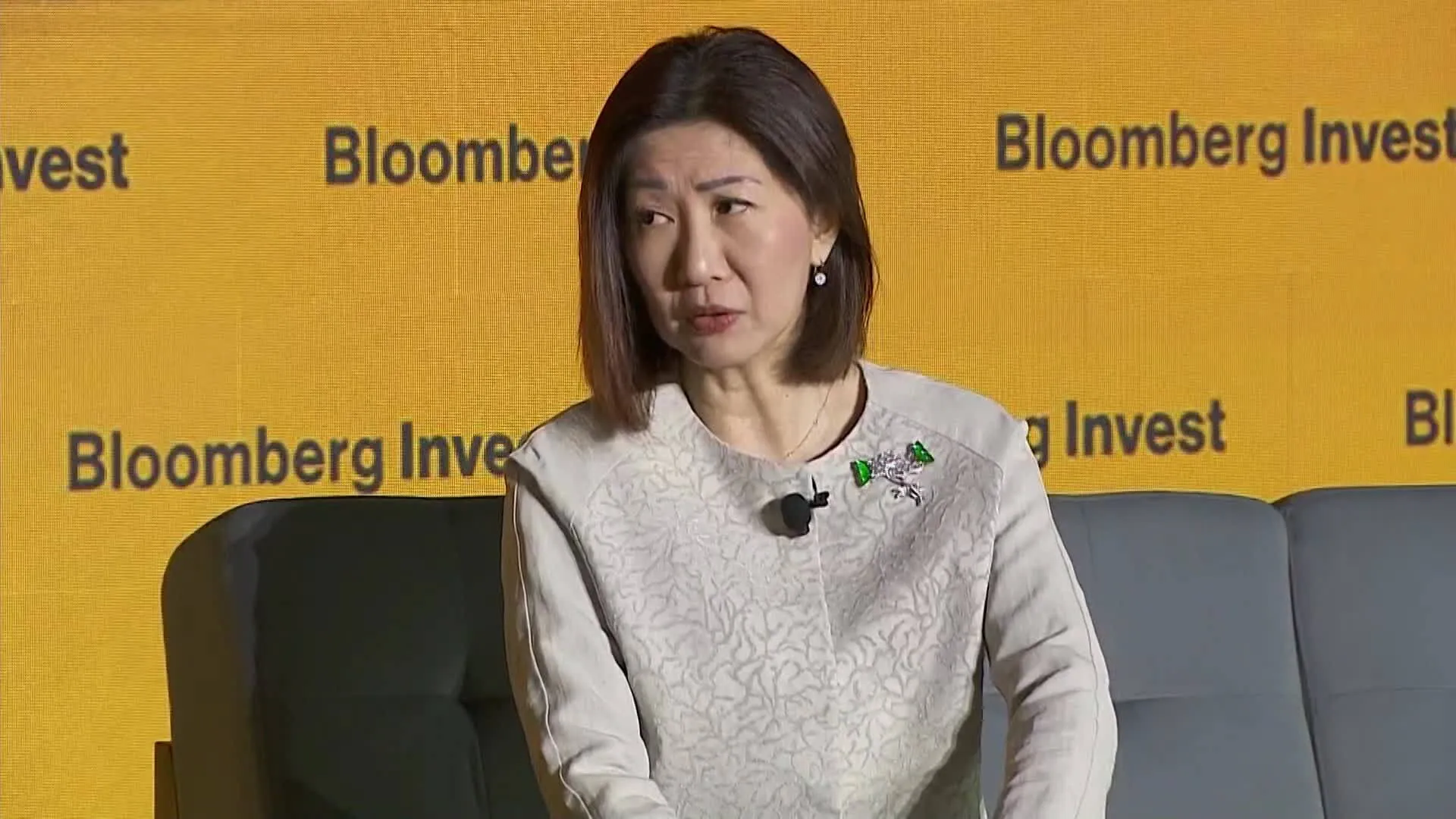
Hong Kong Exchanges and Clearing (HKEx) CEO Bonnie Chan expressed enthusiasm about a potential SpaceX listing, describing it as an exciting opportunity. Chan highlighted that Chinese supply chains have broad coverage relevant to such a deal. The statement suggests HKEx's interest in attracting major space industry companies to its exchange.