The Economist examines health misinformation and influencers in medicine
The Economist released a two-part podcast series examining the conflict between health influencers and evidence-based medicine. The series features medical professionals and journalists discussing how the internet is reshaping health information and how people can identify trustworthy sources. The topic addresses growing concerns about misinformation's impact on public health decision-making.
The Economist's podcast series on science and technology explores the intersection of social media influence and medical practice through two episodes. Part one, featuring doctor and author Deborah Cohen, examines how the internet is disrupting traditional health care information systems. Part two, hosted by journalist and author Helen Pearson, focuses on practical guidance for identifying credible health information sources. The series addresses the broader challenge of health misinformation in the digital age, where influencers and non-experts can reach large audiences with medical claims.
What different sources said
- The EconomistCenter
Influencers v evidence-based medicine (part two)
- The EconomistCenter
Influencers v evidence-based medicine (part one)
Related

Indian-Origin Cardiac Surgeon Sued for Wrong Heart Valve Implant Surgery on 13-Year-Old
Dr. Ashok Muralidaran, an Indian-origin pediatric cardiac surgeon at Oregon Health and Science University, is facing a $17 million lawsuit after allegedly implanting a heart valve upside down during surgery on a 13-year-old girl in August 2025. The girl's heart could not be restarted after the procedure and she required mechanical life support before being transferred to Seattle Children's Hospital, where the misplacement was discovered. The case sparked social media debate about medical education standards, though the surgeon completed his advanced training in the United States.
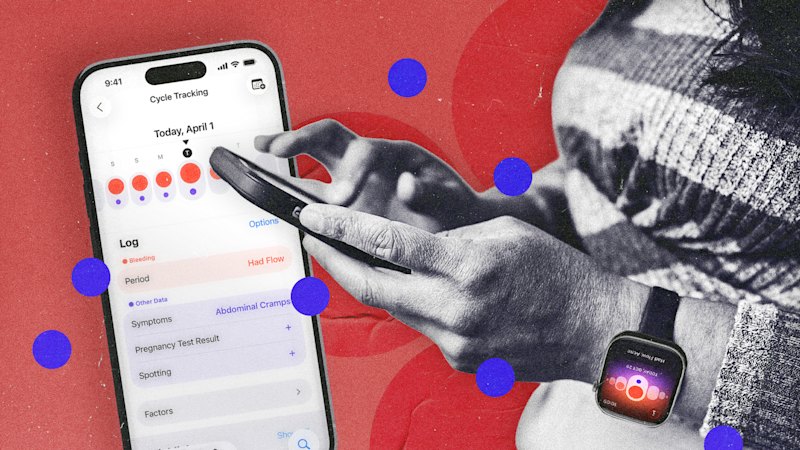
Apple Launches Perimenopause Detection Feature in Health App Update
Apple announced at its Worldwide Developer Conference that its Health app will soon include features to detect perimenopause and menopause by tracking irregular bleeding patterns and symptoms. The feature, launching later in 2026, expands on existing menstrual cycle tracking and aims to help users recognize life stage transitions and prepare for medical conversations. While some health experts welcome increased awareness, others caution that such technology may medicalize a natural life stage and shift healthcare responsibility to individuals.
Person dies from rare Murray Valley Encephalitis virus in Western Australia
A person has died after contracting Murray Valley Encephalitis, a rare mosquito-borne virus, while travelling in Western Australia's north, marking the first reported death from the virus in WA this year. The individual was likely exposed in early May in the West Kimberley region, about 2,000 kilometres north of Perth, before being transferred to a Perth hospital where they died. Health authorities are urging residents and tourists to protect themselves from mosquito bites as the region enters its peak tourism season, noting the virus can cause serious brain infection though complications remain rare.