Tennessee Man Survives Failed Lethal Injection Execution, Joins Rare Group of Execution Survivors
Tony Carruthers survived a lethal injection execution attempt in Tennessee on May 21, 2026, when officials could not establish required backup IV lines, leading Governor Bill Lee to grant him a one-year reprieve. Execution failures have occurred throughout U.S. history across multiple methods including hanging, electrocution, and lethal injection, though survivors remain extremely rare. The case highlights ongoing constitutional questions about whether failed executions constitute cruel and unusual punishment and whether states can legally attempt execution again.
Tony Carruthers became the ninth man in 80 years to survive an execution attempt when Tennessee's lethal injection procedure failed on May 21, 2026. The execution team could only secure one IV line and failed to establish the required backup line mandated by state protocol, prompting Governor Bill Lee to grant a one-year reprieve without explanation. Historical examination reveals execution failures span centuries and multiple methods: Charles Getter survived a broken rope during an 1833 hanging in Pennsylvania; Will Purvis survived a loosened noose in 1894 Mississippi; and Willie Francis survived a failed 1946 electrocution in Louisiana at age 16. Of the nine documented survivors in the past 80 years, four were subsequently executed on second attempts, three died on death row, and one remains alive awaiting his fate. The legal precedent established by the U.S. Supreme Court's 1947 decision in Francis's case permitted states to retry executions, and courts have generally not intervened to prevent second execution attempts based on Eighth Amendment protections against cruel and unusual punishment.
What different sources said
- The ConversationCenter
Tony Carruthers recently survived a lethal injection attempt – the latest man to endure a failed execution
Related

Navy Sailor Sentenced to 44 Years for Strangling Fellow Service Member Angelina Resendiz
Petty Officer Jermiah Copeland was sentenced to 44 years in prison after pleading guilty to the unpremeditated murder of Petty Officer Angelina Resendiz, whom he strangled in his barracks room on May 29, 2025. Copeland admitted to killing the 21-year-old, hiding her body in his closet, and later dumping it in a wooded area 10 miles off Naval Station Norfolk. The case is significant as it highlights serious crimes within the military and resulted in additional convictions for assault, obstruction of justice, and sex offenses.
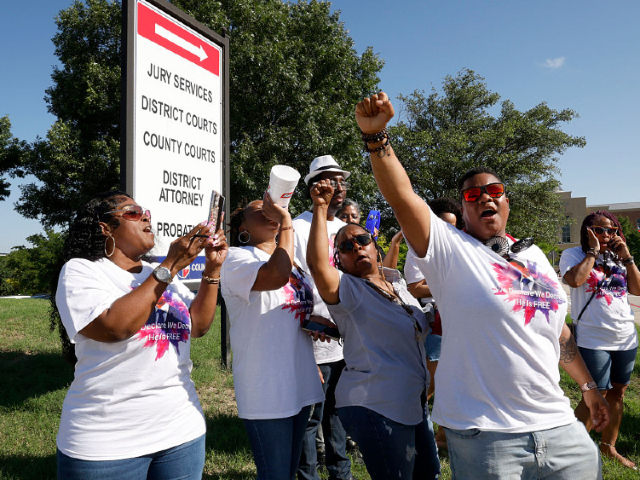
Fundraising Campaign for Convicted Murderer Karmelo Anthony Continues to Receive Donations
A GiveSendGo fundraiser for Karmelo Anthony, who was convicted of murdering Austin Metcalf and sentenced to 35 years in prison, continues to receive donations despite his conviction. The fund, which has raised over $629,000 of its $1.4 million goal, was originally listed as supporting legal defense but now describes itself as providing broader family assistance. The continued fundraising has sparked online criticism calling for the campaign's removal.

Trash Pile Outside Eileen Gu's San Francisco Home Sparks Neighbor Complaints
A large pile of discarded furniture and household items was found outside Olympic gold medalist Eileen Gu's family home in San Francisco's Sea Cliff neighborhood after a 311 complaint. The family's mother claimed she had carefully packed the items in boxes, but they were scattered by scavengers or others, while the family disputes characterizations of negligence. The incident reflects broader tensions between the Gu family and neighbors, with the property having faced multiple complaints over the years.