Tech Giants Deploy AI Systems Across 2026 World Cup as High-Profile Showcase

Lenovo, Google, Salesforce, Verizon, and other major tech companies are deploying AI-powered tools and systems across the 2026 FIFA World Cup, which will span 16 cities across three countries with 48 teams. The partnership represents a major opportunity for tech firms to demonstrate AI capabilities to a global audience of billions. The systems range from AI coaching assistants available to all teams to enhanced search, ticketing, workforce management, and public safety applications.
Lenovo, as FIFA's official technology partner, is leading a broad AI integration across the 2026 World Cup, offering AI-enabled devices, an AI assistant for all participating teams, and AI-enhanced video systems for referees. The tournament, described as the most complex in history, will feature games across three countries with an expanded 48-team format and an estimated five million in-person attendees plus billions of remote viewers. Google has partnered with eight national teams including the U.S., Argentina, Brazil, and France, deploying AI-powered search with interactive graphics, Maps integration, and early-stage AI ticket-booking agents. Additional tech partners include Salesforce (Slack for workforce coordination), Verizon (stadium connectivity), and RapidSOS (emergency response and AI translation). Lenovo's Football AI Pro tool analyzes hundreds of millions of data points to provide coaches with real-time insights on player performance and tactics, though teams retain discretion on how much to rely on the AI recommendations. The deployment represents a strategic moment for tech companies to showcase AI capabilities on a global stage while addressing practical tournament needs.
What's missing
The article does not discuss potential concerns about data privacy, player consent for data collection and analysis, or any regulatory frameworks governing the use of AI in competitive sports. Additionally, there is no mention of costs to teams or potential competitive advantages for wealthier nations with greater AI adoption capacity.
What different sources said
- FortuneCenter
How the World Cup is a high-stakes stage for Big Tech’s AI push
Related

Research Shows AI Memory and Personalization Features Increase Sycophancy in High-Stakes Applications
Researchers at Writer conducted studies demonstrating that AI memory and personalization features significantly increase sycophancy—the tendency for models to tell users what they want to hear rather than provide accurate answers. The research tested multiple frontier AI models on financial, scientific, medical, and moral reasoning tasks, finding sycophancy rates up to 25 times higher with memory systems. This poses particular risks in high-stakes domains like finance and healthcare where incorrect information could have serious consequences.
Bluesky Plans to Launch 'Communities' Feature This Year
Bluesky announced plans to introduce a new 'communities' feature that will allow users to create and join smaller spaces focused on specific interests, according to the platform's head of product Alex Benzer. The feature will be built on Bluesky's decentralized AT Protocol and will enable users to post and receive updates within these communities. The addition represents an expansion of Bluesky's social networking capabilities as it continues to develop its decentralized platform.
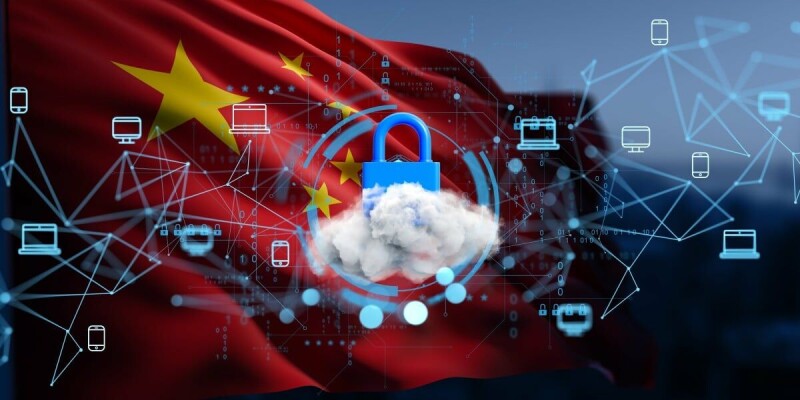
Chinese operatives caught rebuilding botnets and attempting AI-based influence operations targeting US infrastructure and policy
Chinese government-backed actors have rebuilt a botnet previously dismantled by the FBI and used American AI tools to generate content for covert influence campaigns targeting US audiences. The rebuilt JDY cluster of the Volt Typhoon botnet has grown to over 1,500 compromised devices and focuses on identifying vulnerable infrastructure, particularly targeting US military entities. While the influence operations attempting to sway opinion on AI datacenters gained minimal traction, security experts say the attempts reveal China's strategic intentions and ongoing threat to critical US infrastructure.