Tech Data Center Demand Driving Clean Energy Investment Despite Trump Administration Opposition
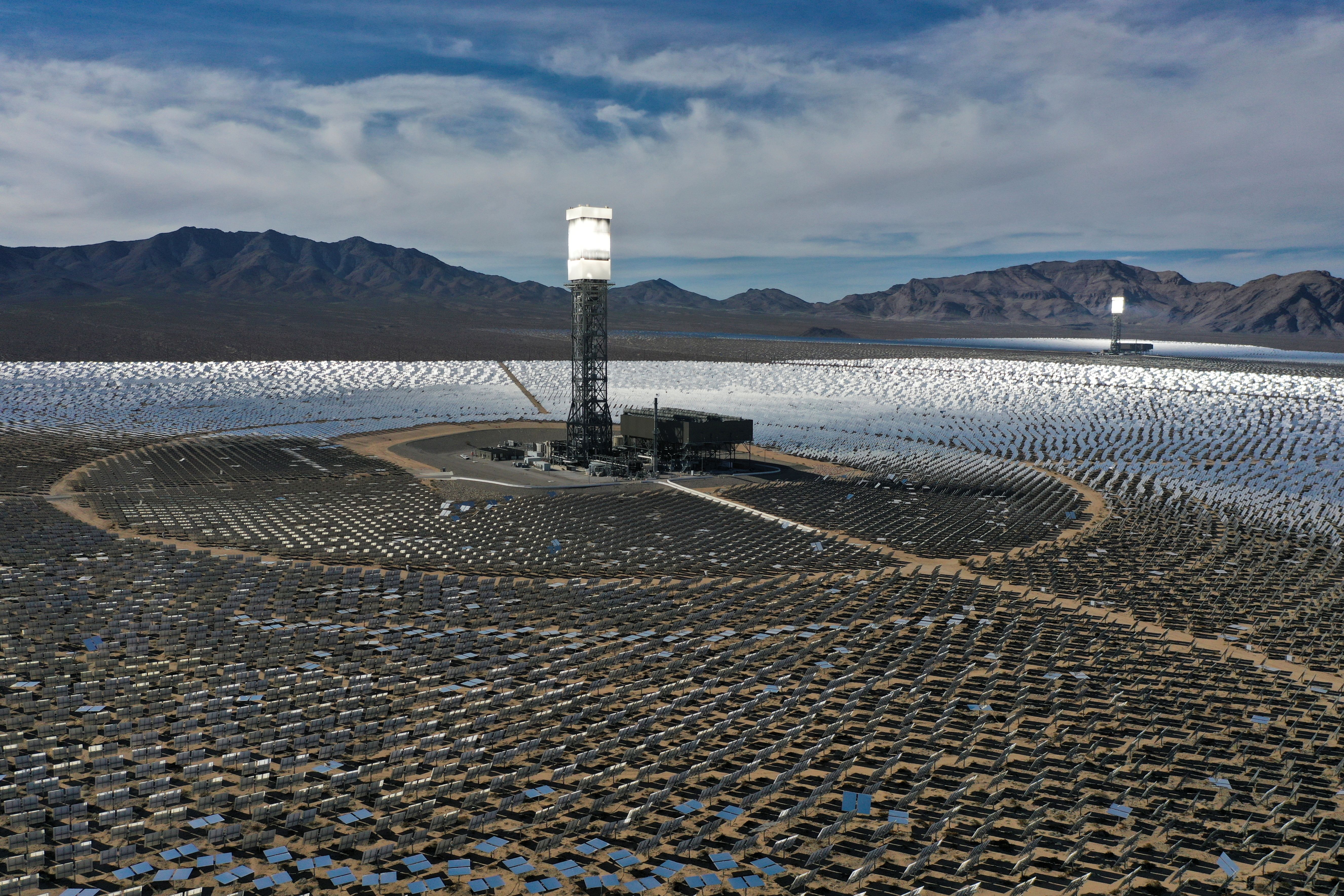
Portuguese energy company EDP is investing $5.3 billion in US renewable energy projects over three years, primarily to power data centers for major tech companies, despite the Trump administration's cancellation of offshore wind leases. The company's CEO argues that strong demand from AI and data center expansion provides more reliable investment incentives than government climate policy. This suggests clean energy buildout may accelerate in the US regardless of political headwinds, contrasting with slower renewable development in Europe despite stronger climate policies.
EDP, a major renewable energy company, is doubling down on US clean energy investments despite facing setbacks from the Trump administration, which revoked offshore wind leases the company had secured under Biden. The company secured compensation for those losses and is now focusing on solar and battery storage projects, primarily to supply power to tech companies racing to build data centers for AI applications. CEO Miguel Stilwell d'Andrade told Semafor that the US is experiencing one of the best periods for renewable investment in 20 years, driven by tech companies' willingness to sign decade-long power contracts. He argues that this private sector demand, rather than government policy, is the primary driver of clean energy expansion. The article notes that while the Trump administration has blocked at least 150 onshore wind projects, the sheer scale of data center demand may result in the largest clean energy buildout in US history under Trump's presidency—a counterintuitive outcome given the administration's stated "energy dominance" strategy.
What's missing
The article does not provide details on the environmental or grid integration challenges of rapidly scaling solar and battery storage to meet data center demand, nor does it discuss potential concerns about land use, water consumption, or whether this market-driven approach adequately addresses broader climate goals beyond powering tech infrastructure.
What different sources said
- SemaforCenter
Trump’s unlikely clean power legacy
Related
Apple Announces Expanded Parental Controls at WWDC
Apple unveiled new parental control features at WWDC, including customizable screen time limits and content filtering for violent images in messages. The tools are framed as helping parents manage their children's online experiences and screen time. The announcement comes amid broader regulatory scrutiny of tech companies' child safety practices.
Apple's tvOS 27 Largely Absent From WWDC 2025 Keynote
Apple's tvOS 27 received minimal attention at WWDC 2025, appearing only as a graphic listing rather than receiving dedicated presentation time like other operating systems. While macOS, iOS, iPadOS, and visionOS all received significant feature announcements, tvOS was notably excluded from the keynote's main presentation structure. The omission raises questions about Apple's priorities for its television platform and suggests the company may be waiting for new Apple TV hardware to showcase tvOS capabilities.
Marshall Announces Stockwell III Bluetooth Speaker with Replaceable Battery and Extended Runtime
Marshall has unveiled the Stockwell III, an updated version of its popular Bluetooth speaker featuring a replaceable battery and doubled battery life from 20 to over 40 hours. The new model maintains the iconic design of its predecessor while emphasizing repairability and sustainability. The speaker will launch August 4th for $249.99, marking the first significant update to the Stockwell line since 2019.