Tanjia: How a Communal Meat Stew Shaped Marrakesh's Social and Urban Life
/https://tf-cmsv2-smithsonianmag-media.s3.amazonaws.com/filer_public/85/b7/85b76345-ffea-4a48-b824-d7395179228a/gettyimages-963190754.jpg)
Tanjia, a slow-cooked meat stew prepared in Moroccan bathhouses and communal ovens, reflects the interconnected social and infrastructure systems of Marrakesh's medina. The dish's preparation involves a chain of specialized workers and shared spaces—from butchers to spice sellers to hammam operators—that developed out of practical necessity in a densely populated, water-scarce city. The tradition illustrates how shared infrastructure, labor, and ritual created both a distinctive culinary practice and the social cohesion that defines urban life in the historic city.
Tanjia is a Moroccan meat stew unique to Marrakesh that is prepared not in private kitchens but in communal hammams (bathhouses) and neighborhood ovens, where the sealed clay urn is buried in residual embers for hours of slow cooking. The preparation involves a deliberate chain of interactions: customers visit butchers for meat, potters for clay urns, spice sellers for seasonings, and finally hammam operators who control the cooking process for a small fee. This communal cooking practice emerged from practical constraints in medieval medina life—dense housing, limited water access, and high fuel costs made sharing ovens, baths, and other infrastructure more economical than private alternatives. Public hammams have existed in Morocco since at least the early Islamic period (beginning around 600 C.E.), while communal ovens became embedded in medina life as cities expanded during the medieval period. According to architecture experts and local practitioners, these spaces function as more than utilitarian facilities; they serve as social cohesion centers that connect heat, water, hygiene, and neighborhood life, making tanjia a reflection of the urban intimacy and particular rhythm of life unique to Marrakesh.
What different sources said
- Smithsonian MagazineCenter
How Tanjia, a Meat Stew Slow-Cooked in Bathhouses, Shaped Marrekesh's Social Life
Related

Jackson Dean Contributes Tribute Song to Gregg Allman Documentary
Country star Jackson Dean has contributed a song titled "My Cross to Bear" to the documentary "Gregg Allman: The Music of My Soul," which premiered in New York City on June 9, 2026. The film celebrates the life and legacy of the Allman Brothers Band founder and is being distributed by Subtext, an independent film production company. The documentary will expand to theaters nationwide on June 17 after premiering in Macon, Georgia and select cities.

MGK Describes Severe Health Issues During Large Blackout Tattoo Project
Musician MGK revealed in a Billboard Canada interview that he experienced significant health complications while getting a large blackout tattoo on his upper body, including swollen lymph nodes, yellowing skin, insomnia, and reduced mobility. The tattoo, created by artist ROXX and originally planned as a two-year project, was completed in approximately two months due to the severity of his symptoms. MGK stated he emerged from the experience inspired despite the physical toll.
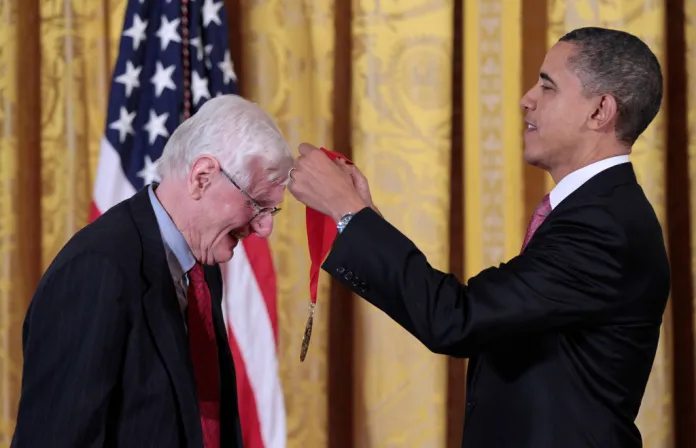
Historian Gordon Wood, Pioneer of Revolutionary Era Scholarship, Dies at 92
Gordon Wood, a prominent historian who revolutionized the study of the American Revolution and Founding Fathers, has died at age 92, just weeks before the 250th anniversary of the Declaration of Independence. Wood and his mentor Bernard Bailyn pioneered a scholarly approach that carefully examined primary sources like pamphlets and debates rather than imposing ideological frameworks onto history. His work represents the end of what scholars call a golden age in American Revolutionary historiography that began in the postwar decades.