Taiwan Conducts First Live-Fire HIMARS Exercise in Taiwan Strait

Taiwan's military fired U.S.-supplied HIMARS rockets into the Taiwan Strait on June 10, 2026, marking the first time the system has been used in a live-fire exercise on the island's west coast, which directly faces China. The two-day drill, held in Taichung, simulated a response to a Chinese invasion and also featured 155mm howitzers and domestically developed Thunderbolt-2000 launchers. The exercise underscores Taiwan's shift toward asymmetric defense strategy at a moment when a planned U.S. sale of 82 additional HIMARS systems appears to be on hold following a Trump-Xi meeting in Beijing.
On Wednesday, June 10, 2026, Taiwan's army conducted live-fire exercises in Taichung on the island's west coast, firing High Mobility Artillery Rocket System (HIMARS) rockets into the waters of the Taiwan Strait for the first time. The drill, which began Tuesday with Thunderbolt-2000 multiple rocket launcher salvos, simulated repelling a Chinese amphibious invasion — the west coast's beaches and mudflats being considered the most likely landing zone for any such assault. HIMARS vehicles maneuvered into position and launched rockets within three minutes of receiving firing orders, demonstrating the 'shoot-and-scoot' tactic of rapidly relocating after firing to evade enemy radar and counterstrikes. The Lockheed Martin-made system, which has a range of approximately 300 km and could theoretically reach China's Fujian province, was used with reduced-range practice rockets that fell into the water close to shore. The exercise reflects a broader U.S.-encouraged strategic shift toward asymmetric warfare, aiming to make Taiwan a 'porcupine' that is costly to attack rather than relying on conventional force-on-force capabilities. China, which claims Taiwan as its territory and conducts near-daily military activities around the island, has not renounced the use of force to achieve unification. A planned U.S. arms package including 82 additional HIMARS units, announced in December, appears to have been paused following a meeting between President Trump and Chinese President Xi Jinping in Beijing last month.
What's missing
No source details China's official reaction to the drill, which would be relevant given Beijing's sensitivity to such exercises. Additionally, the specific terms or conditions under which the planned 82-unit HIMARS sale was put on hold — and whether it is formally suspended or merely delayed — are not clarified by any source.
How coverage differed
Most outlets reported the same core facts with near-identical wire-service language. The New York Post and NBC News added comparative context about HIMARS' battlefield use in Ukraine, while NPR and The Hindu gave slightly more emphasis to the diplomatic dimension — specifically the apparent pause in the U.S. arms sale following the Trump-Xi meeting — framing the drill within broader geopolitical uncertainty rather than purely as a military capability demonstration.
What different sources said
- NBC NewsLeft
Taiwan test-fires U.S. rocket system toward Chinese mainland for the first time
- The TelegraphRight
Taiwan fires Himars missiles towards China
- Washington TimesRight
5 questions about Taiwan's rocket drill and what it signals to mainland China
- The HinduCenter
Taiwan fires rockets in China’s direction from a U.S.-supplied mobile launching system in drill
- NPR NewsLeft
Taiwan drills with U.S. rocket system, firing in China's direction
- New York PostRight
Taiwan fires battle-tested rockets in anti-invasion drill
- The Wall Street JournalCenter
Taiwan Test-Fires U.S.-Supplied Missile Launcher Toward China
Related
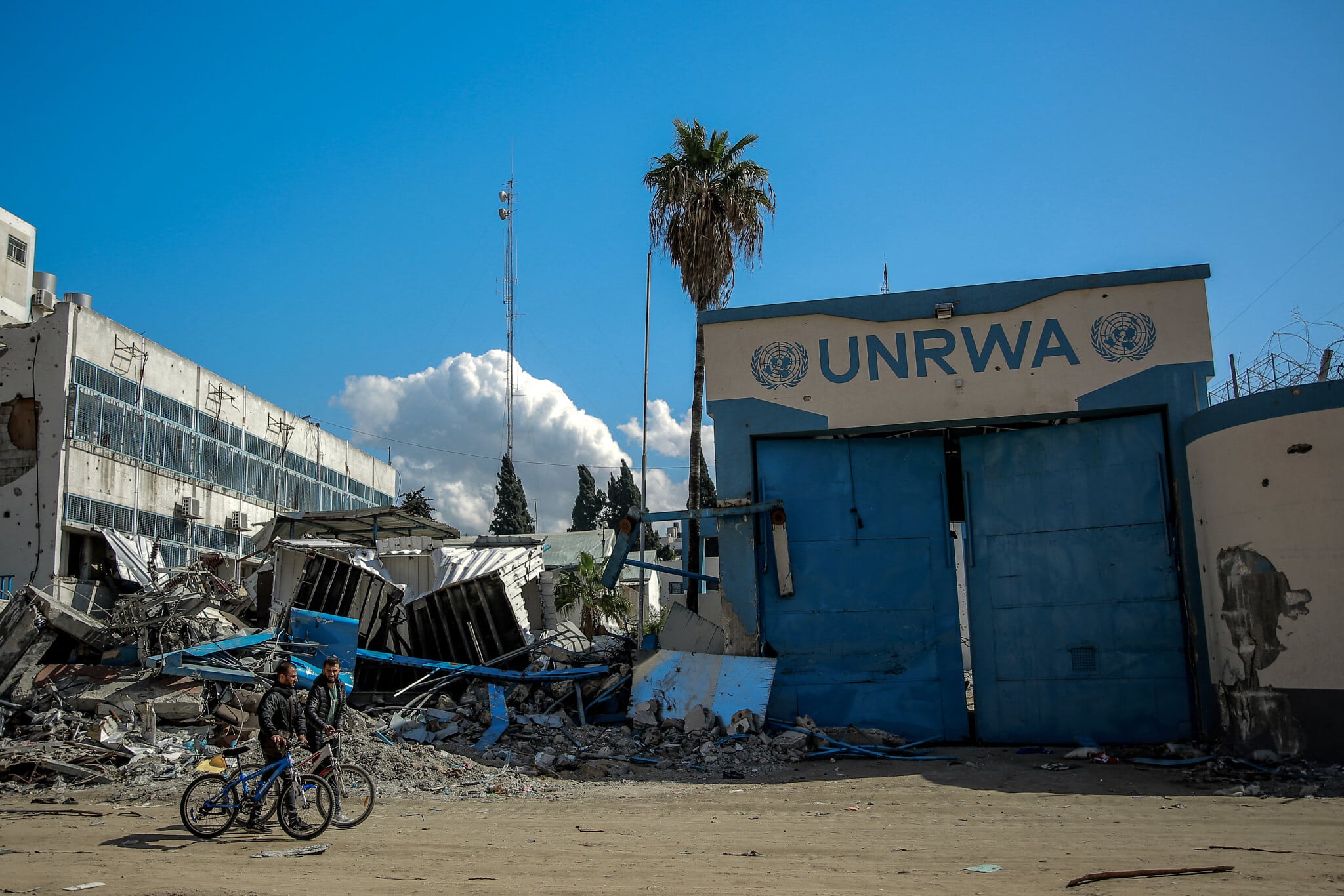
UNRWA Fires 70 Gaza Staff Members, Denies Terminations Validate Hamas Allegations
The UN agency for Palestinian refugees, UNRWA, has dismissed 70 employees in Gaza with immediate effect, citing safety and security risks. The move follows a USAID investigation that referred over 100 UNRWA staff for suspension or dismissal, and longstanding Israeli allegations that significant portions of the agency's workforce have ties to Hamas. The firings mark a significant but contested step in addressing accusations that have dogged the agency since the October 7, 2023 attacks, while UNRWA insists the dismissals are not an admission of guilt.
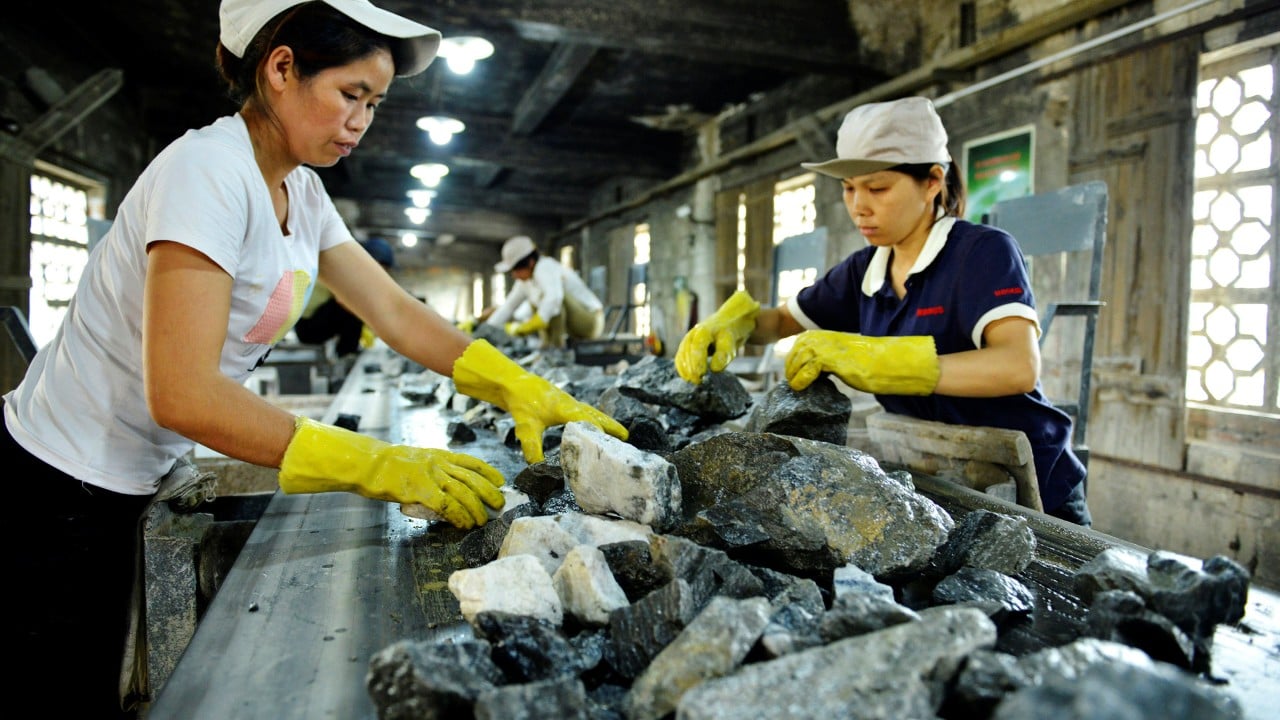
China's Tungsten Export Controls Ripple Through Global Supply Chains, From AI Chips to Weapons
China's 2025 export restrictions on tungsten have triggered price surges, potential production halts at Japanese semiconductor gas manufacturers, and a push to revive domestic mining in the United States. Tungsten, of which China produces over 78 percent of global supply, is critical to both advanced AI chipmaking and military munitions. The disruptions are exposing deep vulnerabilities in Western and Asian supply chains for a material with few short-term substitutes.

Rain Delays Start of India vs Afghanistan 1st ODI in Dharamshala
Persistent drizzle has delayed the toss and cast doubt over the first ODI between India and Afghanistan at the Himachal Pradesh Cricket Association Stadium in Dharamshala. The meteorological department issued an orange alert for June 12 warning of thunderstorms and hail across parts of Himachal Pradesh, with a 60–70% chance of showers forecast throughout the day. The delay threatens what would have been a historically significant match — the first-ever bilateral ODI series between the two nations.