Sweden Considers Lowering Criminal Age to 13 as Gang Violence Escalates
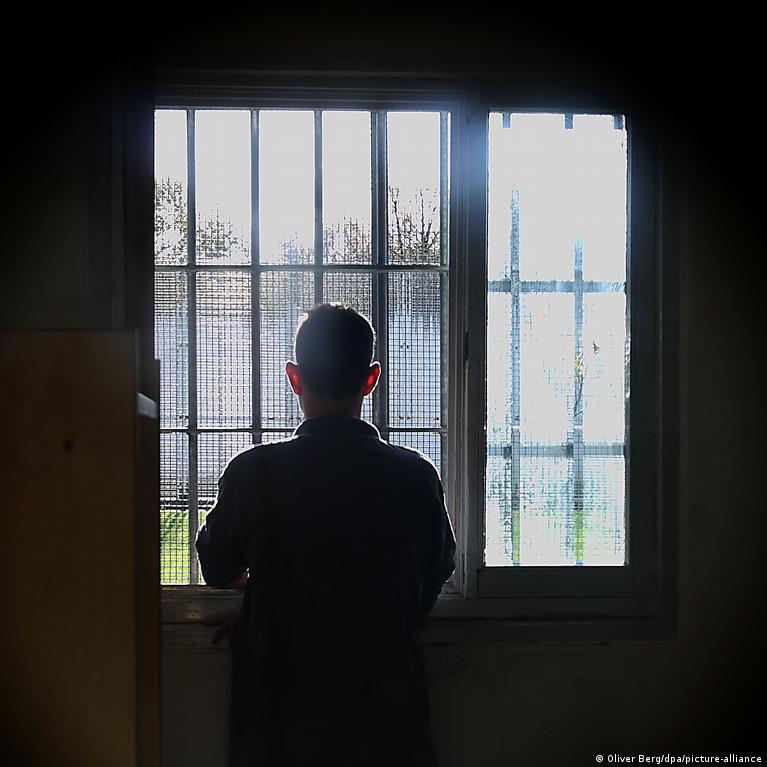
Sweden's government is proposing to lower the age of criminal responsibility from 15 to 13 on a trial basis for serious crimes like murder and bombings, as organized crime networks increasingly recruit teenagers for violent attacks. The measure reflects growing concern over gang violence, though Parliament will vote in mid-June with a five-year review planned. The proposal is controversial because research from Denmark, which tried a similar reform in 2010, showed lowering the age did not deter youth crime and actually increased re-offending rates.
Sweden is advancing legislation that would allow children as young as 13 to face criminal prosecution and imprisonment for serious offenses, marking a significant shift in the country's juvenile justice approach. Currently, Swedish law exempts those under 15 from criminal liability, a gap that criminal networks exploit by recruiting young teenagers to commit contract killings and violent attacks. Parliament has already approved measures allowing 15- to 17-year-olds convicted of serious crimes to serve sentences in specially adapted juvenile units, and the government now seeks to extend criminal responsibility downward. The proposal will be voted on in mid-June with a five-year review period. However, the article presents cautionary evidence from other European countries: Denmark reversed a similar 2010 reform after research showed it failed to deter youth crime and instead increased re-offending and school dropout rates. Other European models, such as the Netherlands (which prosecutes from age 12 but maintains rehabilitative focus and short maximum sentences) and Germany and Spain (which use child protection rather than criminal frameworks for young offenders), offer alternative approaches to addressing youth involvement in crime.
What different sources said
- Deutsche WelleCenter
Sweden mulls prison for young teens as violent crime rises
Related

Majority of Makerfield voters say offensive social media posts would deter them from voting for candidates
A poll of 518 Makerfield voters found that 55% would be less likely to vote for a politician who posted offensive content online, while 31% said it would not influence their vote. The survey was commissioned by campaign group 38 Degrees ahead of a June 18 byelection in which Reform UK candidate Robert Kenyon has faced criticism for past offensive online posts. The findings suggest voters prioritize candidate conduct and also show strong support for policies including water renationalization, a wealth tax, and donation caps.
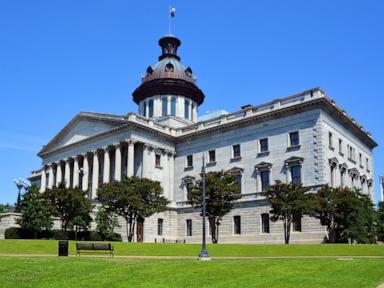
Trump-backed Evette advances to South Carolina GOP gubernatorial runoff; Graham wins Senate primary
Lt. Gov. Pamela Evette, endorsed by President Trump, and state Attorney General Alan Wilson advanced to a June 23 runoff in South Carolina's Republican gubernatorial primary, eliminating U.S. Rep. Nancy Mace and Rep. Ralph Norman. The runoff winner will face Democrat Jermaine Johnson in the general election, while incumbent Sen. Lindsey Graham won the Republican Senate primary and will face Democrat Annie Andrews in November. These results reflect Trump's continued influence in South Carolina Republican politics and set up competitive general election matchups.
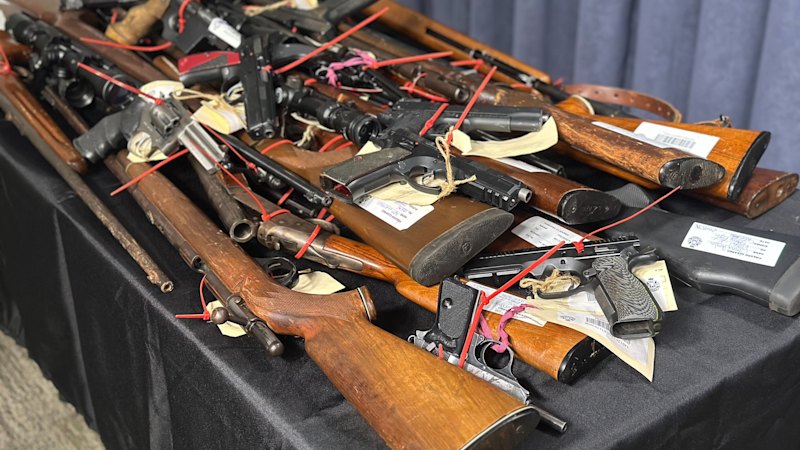
Victorian Coroner Calls for Medical Checks in Gun Licence Renewal Process
A Victorian coroner has recommended that gun licence applicants be required to provide medical certificates proving fitness to own firearms, following the suicide of a man with a history of mental illness who legally owned five guns. The current system relies on self-reporting by applicants and is described as a 'rubber stamping' process rather than genuine vetting. The recommendation comes as Victoria's government has rejected other proposed firearm restrictions, including caps on the number of weapons individuals can own.