Supreme Court Recognizes Loss of Domestic Care as Distinct Compensation Head

India's Supreme Court ruled on June 11, 2026, that the loss of domestic care provided by a homemaker constitutes a distinct and separately compensable head of damages in motor accident claims, fixing a minimum notional monthly value of Rs 30,000. The ruling arose from a decades-old appeal by the family of a woman who died in a road accident in Punjab in 2001, whose compensation case wound through tribunals and courts for over two decades. The judgment is significant because it formally monetises unpaid household labour, challenges entrenched gender stereotypes, and sets a binding precedent for all Motor Accident Claims Tribunals and High Courts across India.
A bench of Justices Sanjay Karol and N.K. Singh of the Supreme Court of India delivered a landmark judgment on June 11, 2026, holding that homemakers are 'nation builders' and that the unpaid domestic work they perform must be independently valued at a minimum of Rs 30,000 per month when calculating compensation for their death or incapacitation in road accidents. The case originated from the death of a woman named Reshma in a motor accident in November 2001 while travelling from Sirsa to Fatehabad; her family received only Rs 2.42 lakh from the Motor Accident Claims Tribunal in 2003, and after years of delays—including a fire that destroyed court records in 2011—the Punjab and Haryana High Court enhanced the amount to Rs 8.43 lakh in December 2024, prompting the family to approach the Supreme Court. The Court declared 'loss of domestic care' an additional head of compensation beyond those already recognised in the Pranay Sethi judgment, and specified that the Rs 30,000 floor would increase by 10% every three years and would be awarded on top of any paid income if the homemaker was also employed. Citing India's 2019 Time Use Survey, the bench noted that women aged 15–59 spend over seven hours daily on unpaid domestic tasks—2.6 times more than men—and that such unpaid care work is estimated to contribute 15–17% of India's GDP while remaining unrecognised in conventional economic measures. The Court also directed that motor accident compensation cases should ordinarily be decided within one year, and expressed hope that Chief Justices of all High Courts would monitor implementation of the principles laid down. The judgment notably limited its quantification framework to the 'quintessential and traditional image' of a woman as homemaker for the purposes of this case, while acknowledging that men can also be homemakers deserving recognition.
What's missing
The judgment's own limitation is notable: the Court explicitly restricted its quantification framework to the 'quintessential and traditional image' of a woman as homemaker, leaving unresolved how tribunals should value domestic care provided by male homemakers. Additionally, no source clarifies whether the Rs 30,000 floor will be adjusted for regional cost-of-living differences across India's states.
How coverage differed
The three Indian outlets (The Hindu, Times of India, and NDTV) covered the same ruling with broadly consistent framing, though The Hindu gave more attention to the Court's caveat limiting the quantification framework to women and to the gender-equity implications, while Times of India and NDTV emphasised the 'nation builder' rhetoric and the Court's aspirational language more prominently. Live Law's coverage was paywalled and provided minimal substantive detail.
What different sources said
- Times of IndiaCenter
Compassionate job & financial benefit can’t have conflicting clauses: SC
- The HinduCenter
Loss of homemaker’s domestic care a distinct head of compensation, says Supreme Court
- The Straits TimesCenter
Maid agency ordered to pay compensation
- Live LawCenter
BREAKING| 'Homemakers Are Nation Builders' : Supreme Court Quantifies Homemaker Contribution As Rs 30K...
- NDTVCenter
Homemakers Are Nation Builders: Top Court's Formula To Quantify Contribution
Related
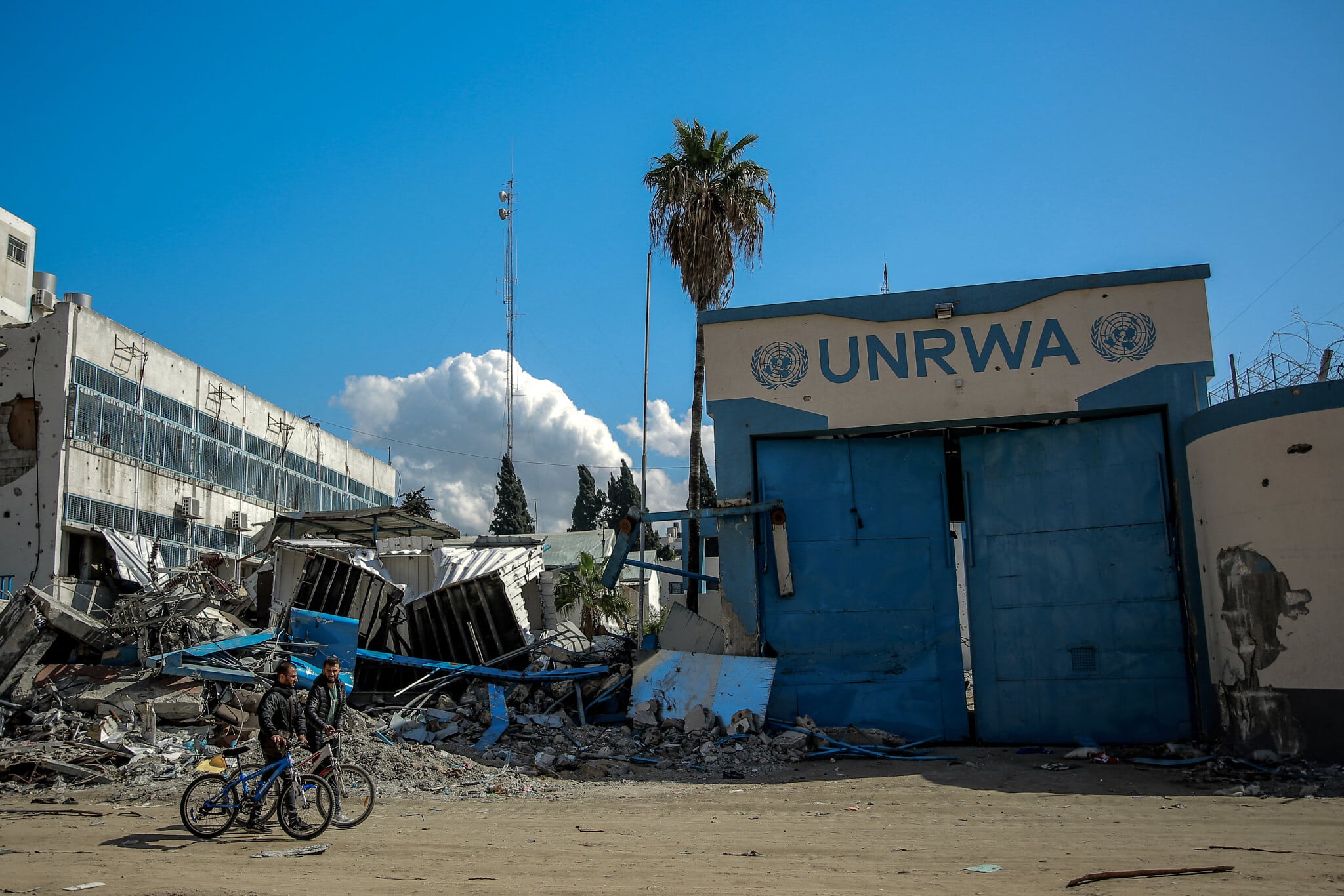
UNRWA Fires 70 Gaza Staff Members, Denies Terminations Validate Hamas Allegations
The UN agency for Palestinian refugees, UNRWA, has dismissed 70 employees in Gaza with immediate effect, citing safety and security risks. The move follows a USAID investigation that referred over 100 UNRWA staff for suspension or dismissal, and longstanding Israeli allegations that significant portions of the agency's workforce have ties to Hamas. The firings mark a significant but contested step in addressing accusations that have dogged the agency since the October 7, 2023 attacks, while UNRWA insists the dismissals are not an admission of guilt.
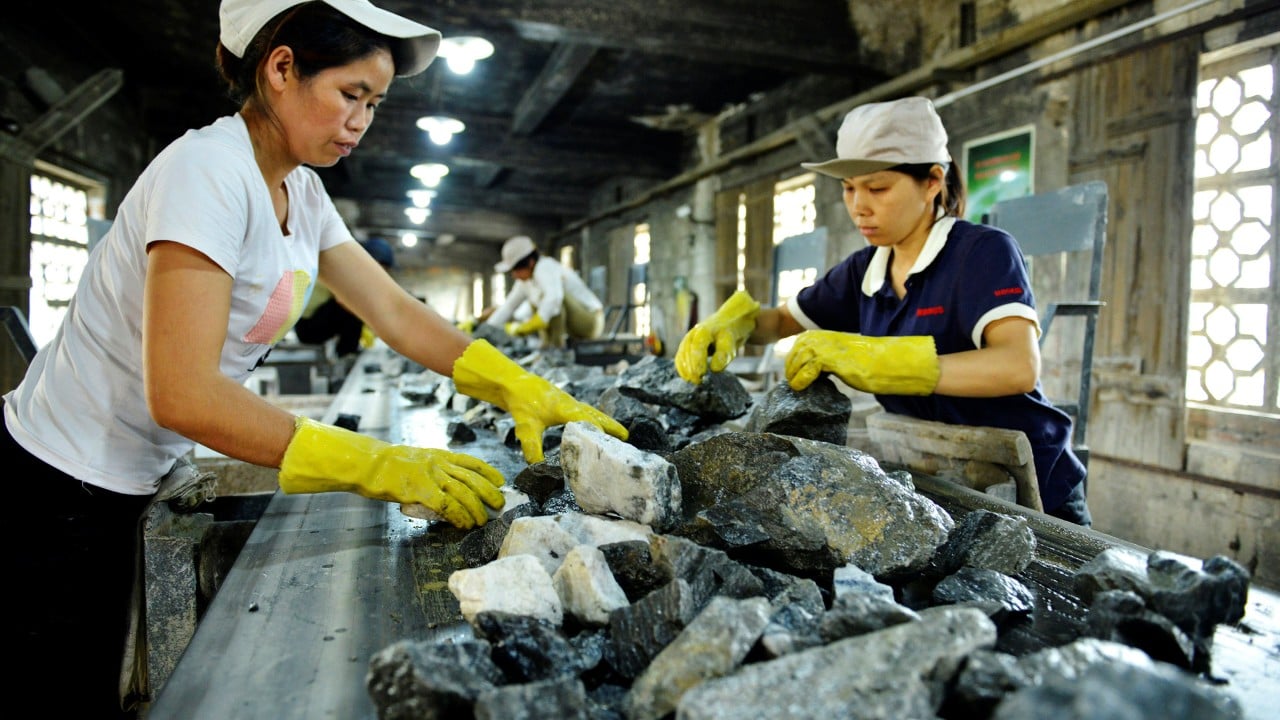
China's Tungsten Export Controls Ripple Through Global Supply Chains, From AI Chips to Weapons
China's 2025 export restrictions on tungsten have triggered price surges, potential production halts at Japanese semiconductor gas manufacturers, and a push to revive domestic mining in the United States. Tungsten, of which China produces over 78 percent of global supply, is critical to both advanced AI chipmaking and military munitions. The disruptions are exposing deep vulnerabilities in Western and Asian supply chains for a material with few short-term substitutes.

Rain Delays Start of India vs Afghanistan 1st ODI in Dharamshala
Persistent drizzle has delayed the toss and cast doubt over the first ODI between India and Afghanistan at the Himachal Pradesh Cricket Association Stadium in Dharamshala. The meteorological department issued an orange alert for June 12 warning of thunderstorms and hail across parts of Himachal Pradesh, with a 60–70% chance of showers forecast throughout the day. The delay threatens what would have been a historically significant match — the first-ever bilateral ODI series between the two nations.