Study suggests eating 5 fruits and vegetables daily may not provide enough heart-protective compounds
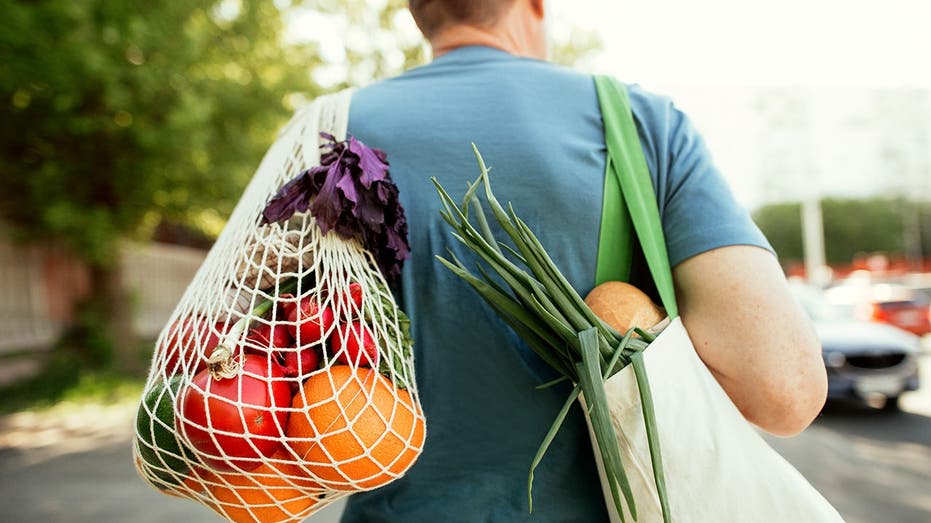
A new study published in the journal Food & Function found that fewer than 25% of people who met standard fruit and vegetable dietary guidelines consumed enough flavanols — plant compounds linked to cardiovascular benefits — to reach the 500mg daily threshold associated with a 27% reduction in cardiovascular disease mortality. The research, involving more than 30,000 adults in the U.S. and U.K. and conducted by scientists from the University of Reading, Harvard Medical School, UC Davis, and Mars, Inc., found that the specific types of fruits and vegetables consumed matter more than total quantity. The findings suggest that current dietary guidelines may need to be refined to specify flavanol-rich foods such as blueberries, blackberries, plums, broad beans, and green tea.
Researchers analyzing dietary and biomarker data from over 30,000 U.S. and U.K. adults found that following the widely recommended 'five-a-day' fruit and vegetable guideline is generally insufficient to achieve flavanol intake levels associated with cardiovascular benefits. Flavanols are antioxidant plant compounds shown to improve blood flow, reduce inflammation, and lower the risk of heart disease death. The study's benchmark of 500mg of flavanols per day is drawn from the COSMOS trial — described as the largest randomized controlled study on polyphenols to date — which linked that intake level to a 27% reduction in cardiovascular disease mortality. Despite this, fewer than one in four people who met standard dietary guidelines reached that flavanol threshold. The researchers concluded that specific dietary reference values for flavanols may be necessary, and recommended prioritizing high-flavanol foods including plums, cranberries, blackberries, green tea, broad beans, cherries, apples with skin, strawberries, blueberries, and pinto beans. Lead author Javier Ottaviani emphasized that specific food choices matter far more than total fruit and vegetable volume. The study measured estimated flavanol consumption rather than directly tracking cardiovascular outcomes, which the authors acknowledged as a limitation.
What's missing
The study relied on estimated dietary intake rather than direct measurement of cardiovascular outcomes, limiting causal inference. The generalizability of the COSMOS trial's 500mg benchmark to general populations with varying diets and health profiles is also not addressed.
How coverage differed
Fox News framed the story around the inadequacy of current guidelines and emphasized actionable food swaps, while the New York Post's headline posed the finding as a problem requiring a solution — both outlets presented nearly identical content with no meaningful editorial divergence in substance.
What different sources said
- The ConversationCenter
Not all fruits and vegetables are equal when it comes to heart health, our research shows
- New York PostRight
If eating 5 fruits and veggies a day isn’t enough to keep a healthy heart, what’s the solution?
- Fox NewsRight
Eating 5 fruits and vegetables a day may not be enough for heart health, study finds
- The TimesCenter
Green tea, broad beans, berries — are you eating the best five-a-day?
Related

Chicago Woman's Five-Year Symptom Journey Leads to Rare Brain Tumor Diagnosis
Melony Aponte, 26, was diagnosed with a 4.5-centimeter acoustic neuroma after five years of symptoms she attributed to stress, COVID-19, and aging. The rare, noncancerous tumor—affecting roughly one in 100,000 people—had grown large enough to compress her hearing and balance nerve before it was identified via MRI in March 2025. Her case highlights how acoustic neuroma symptoms can mimic common conditions, potentially delaying diagnosis for years.

Study Finds Aging Shifts Walking Strategy Toward Stability at the Cost of Efficiency
A new study from Flinders University and the University of Canberra found that as people age, their bodies adopt a 'safety-first' walking pattern that prioritizes balance over efficient movement. Researchers analyzed gait data from 107 healthy adults aged 26 to 86, identifying increased ankle muscle co-contraction and reduced push-off power as key age-related changes. The findings suggest that fall prevention programs should target balance and coordination, not just muscle strength.

Tick Populations Surge in Urban Areas Across Northeast
Experts across the northeastern United States and Canada are warning of an unusually early and widespread tick season, with disease-carrying ticks increasingly found in urban parks and green spaces. Lyme disease cases in Canada reached a record 7,105 in 2025, up from 5,809 the previous year, while U.S. cities including Philadelphia, Pittsburgh, Washington D.C., and New York are reporting rising tick activity. The expansion poses a public health challenge because urban residents are less likely to take tick-bite precautions than those in rural areas.