State Conflicts Reach Highest Level Since World War II, New Data Shows
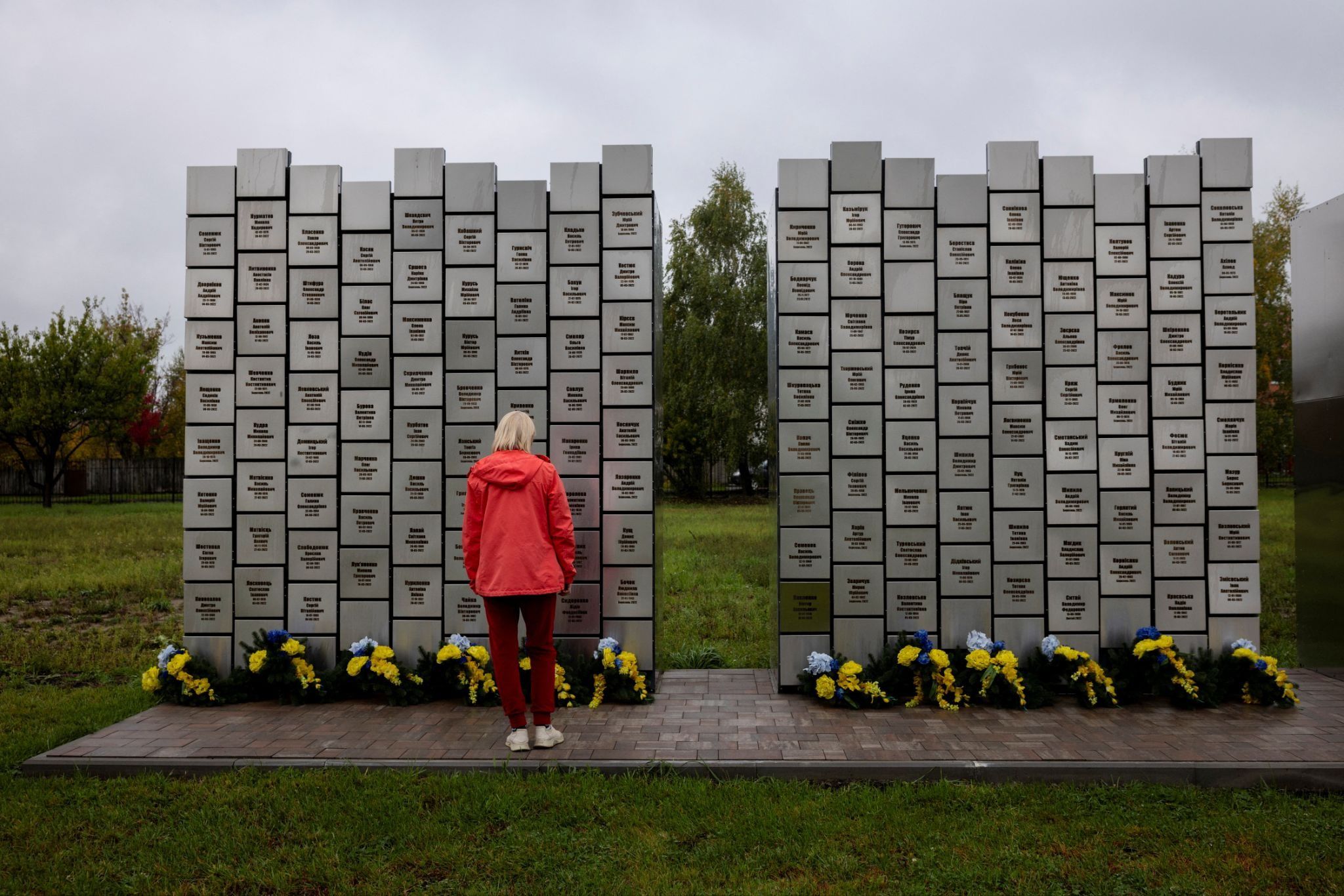
The Uppsala Conflict Data Program recorded 65 active state-based conflicts in 2025 — the highest since data collection began in 1946 — with interstate conflicts doubling to eight and approximately 244,600 people killed. The figures, published in the Journal of Peace Research, show the deadliest year for conflict since the Rwandan genocide of 1994, driven primarily by the wars in Ukraine, Sudan, and Gaza. The findings signal a significant breakdown in the post-Cold War international order, with researchers warning the trend shows no sign of reversing in 2026.
The Uppsala Conflict Data Program (UCDP) at Uppsala University recorded 65 armed conflicts involving at least one state in 2025, the highest total since the program began collecting data in 1946, according to a study published in the Journal of Peace Research. The number of direct interstate conflicts doubled for the second consecutive year — from two in 2023 to eight in 2025 — including wars between Russia and Ukraine, Iran and Israel, India and Pakistan, Thailand and Cambodia, Afghanistan and Pakistan, and the U.S.-U.K. campaign against Houthi forces in Yemen. Approximately 244,600 people were killed in organized violence during the year, up from 187,000 in 2024, making 2025 the deadliest year since the 1994 Rwandan genocide. The Russia-Ukraine war remained the single deadliest conflict, accounting for roughly 62% of all battle-related deaths, with at least 94,700 fatalities recorded. One-sided violence against civilians surged dramatically, with around 76,500 civilian deaths — an increase of more than 400% from the prior year — largely attributed to massacres by the Rapid Support Forces following the fall of El Fasher in Sudan's Darfur region. A world map and trend chart accompanying the research visually confirms upward trajectories across all three categories of organized violence — state-based, non-state, and one-sided — since the mid-2010s. Researchers noted that while the data is consistent with arguments about the erosion of the U.S.-led liberal world order, no direct causal link between specific policy decisions and the rise in conflicts could be established.
What's missing
No source addresses what, if any, diplomatic or institutional responses are being proposed in light of these findings.
How coverage differed
NPR devoted notable attention to the question of whether U.S. policy under the Trump administration contributed to the rise in conflicts, quoting researchers who cautioned against drawing direct causal links; the other outlets reported the same caveat but did not frame it as a central question, keeping focus on the data itself.
What different sources said
- Phys.orgCenter
Number of conflicts between states reaches highest level since World War II
- SemaforCenter
Conflicts at highest level since WWII
- Deutsche WelleCenter
'Conflict Trends': Civil wars, international fights hit high
- NPRLeft
Conflicts on rise globally, highest level since WWII, data shows
Related
UNRWA Fires 70 Gaza Staff Members, Denies Terminations Validate Hamas Allegations
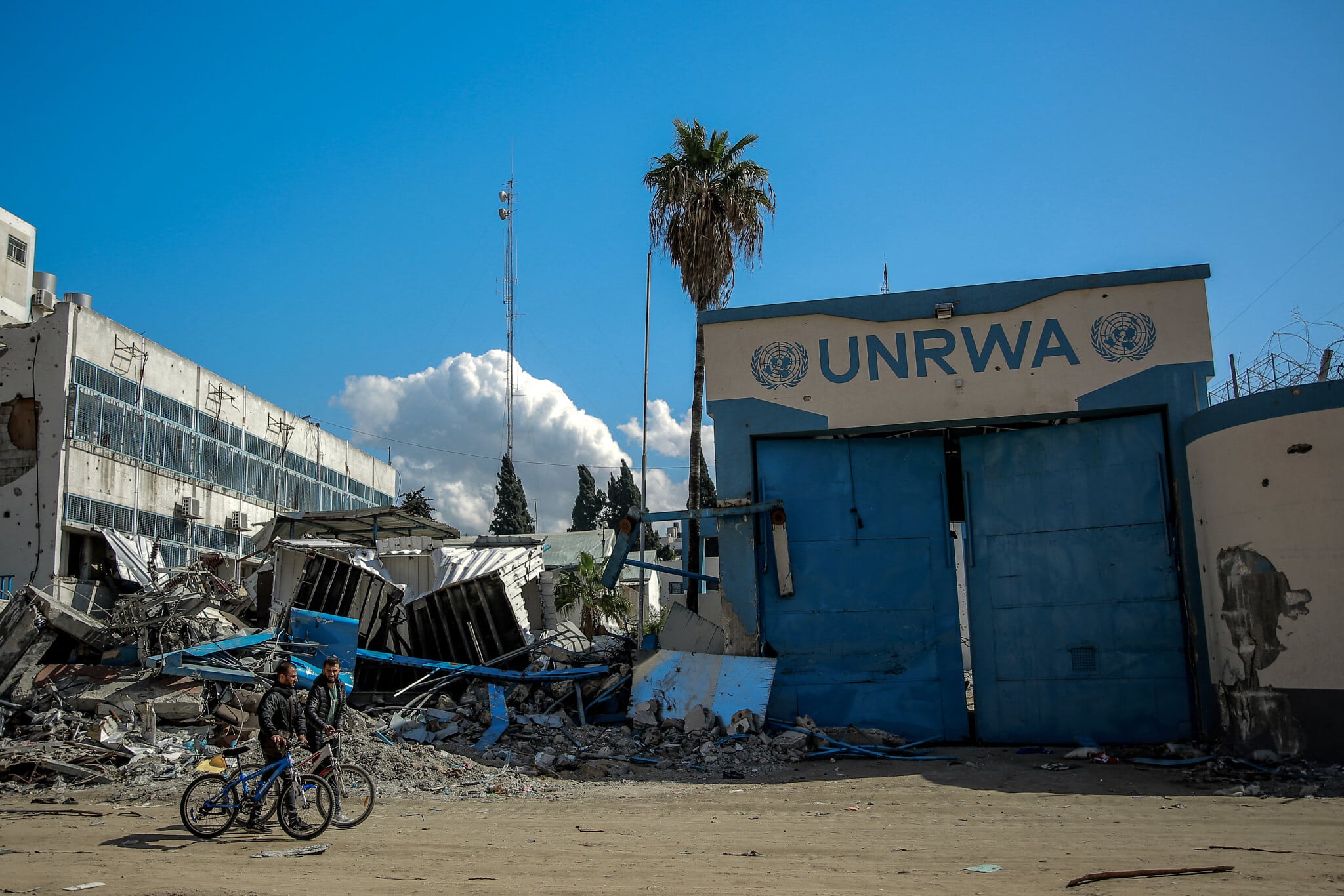
The UN agency for Palestinian refugees, UNRWA, has dismissed 70 employees in Gaza with immediate effect, citing safety and security risks. The move follows a USAID investigation that referred over 100 UNRWA staff for suspension or dismissal, and longstanding Israeli allegations that significant portions of the agency's workforce have ties to Hamas. The firings mark a significant but contested step in addressing accusations that have dogged the agency since the October 7, 2023 attacks, while UNRWA insists the dismissals are not an admission of guilt.
China's Tungsten Export Controls Ripple Through Global Supply Chains, From AI Chips to Weapons
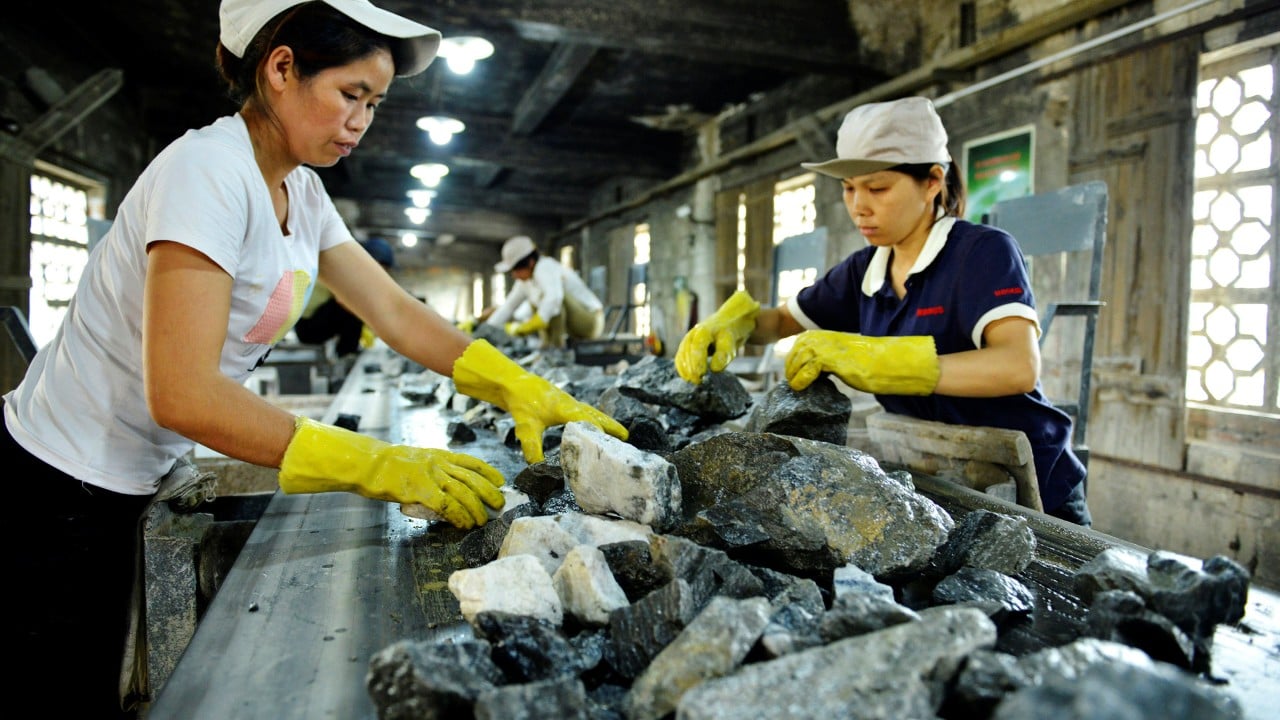
China's 2025 export restrictions on tungsten have triggered price surges, potential production halts at Japanese semiconductor gas manufacturers, and a push to revive domestic mining in the United States. Tungsten, of which China produces over 78 percent of global supply, is critical to both advanced AI chipmaking and military munitions. The disruptions are exposing deep vulnerabilities in Western and Asian supply chains for a material with few short-term substitutes.

Rain Delays Start of India vs Afghanistan 1st ODI in Dharamshala
Persistent drizzle has delayed the toss and cast doubt over the first ODI between India and Afghanistan at the Himachal Pradesh Cricket Association Stadium in Dharamshala. The meteorological department issued an orange alert for June 12 warning of thunderstorms and hail across parts of Himachal Pradesh, with a 60–70% chance of showers forecast throughout the day. The delay threatens what would have been a historically significant match — the first-ever bilateral ODI series between the two nations.