SpaceX Falcon 9 Booster Completes Record 35th Flight After Five Years of Service
SpaceX's Falcon 9 booster B1067 completed its 35th mission on June 8, 2026, launching 29 Starlink satellites from Cape Canaveral and landing on the drone ship 'A Shortfall of Gravitas' in the Atlantic Ocean. The five-year-old booster, which debuted on a Cargo Dragon mission to the ISS, has flown predominantly Starlink missions and now holds the title of SpaceX's fleet leader. The milestone puts the reusable rocket within four flights of NASA's Space Shuttle Discovery's all-time record of 39 spaceflights.
On Monday, June 8, 2026, SpaceX's Falcon 9 first-stage booster B1067 lifted off at 6:13 a.m. EDT from Space Launch Complex 40 at Cape Canaveral Space Force Station, carrying 29 Starlink satellites into low Earth orbit. The booster successfully landed on the drone ship 'A Shortfall of Gravitas' in the Atlantic Ocean, completing its record-setting 35th mission and retaining its status as SpaceX's most-flown booster. The launch was SpaceX's 66th Falcon 9 flight of 2026 and the company's 660th completed mission overall, bringing the active Starlink megaconstellation to more than 10,580 satellites. B1067 first flew in 2021 on a Cargo Dragon resupply mission to the International Space Station and has since flown astronaut missions and numerous commercial payloads before transitioning almost exclusively to Starlink launches. SpaceX had previously set a qualification target of 40 missions per booster, but given the continued safe performance of experienced boosters well beyond earlier thresholds, the company may push that limit further. The achievement draws comparisons to NASA's Space Shuttle Discovery, which flew 39 times over nearly four decades — a record the Falcon 9 program could surpass within its next few flights. A separate Falcon 9 launch from Vandenberg Space Force Base on June 11 carried 24 Starlink satellites, with that mission's booster also having logged more than 30 prior flights.
What's missing
The articles do not specify the current refurbishment timeline or turnaround cost per flight for B1067, which would provide useful context for assessing the economic significance of the reuse record.
What different sources said
- Ars TechnicaCenter
A Falcon 9 booster turns 5 years old—and just set a remarkable reuse record
- KSBY NewsCenter
SpaceX launches Falcon 9 from Vandenberg Space Force Base Thursday
- Space.comCenter
Watch SpaceX set new rocket reuse record with 35th launch — and landing — of a Falcon 9 booster (video)
Related
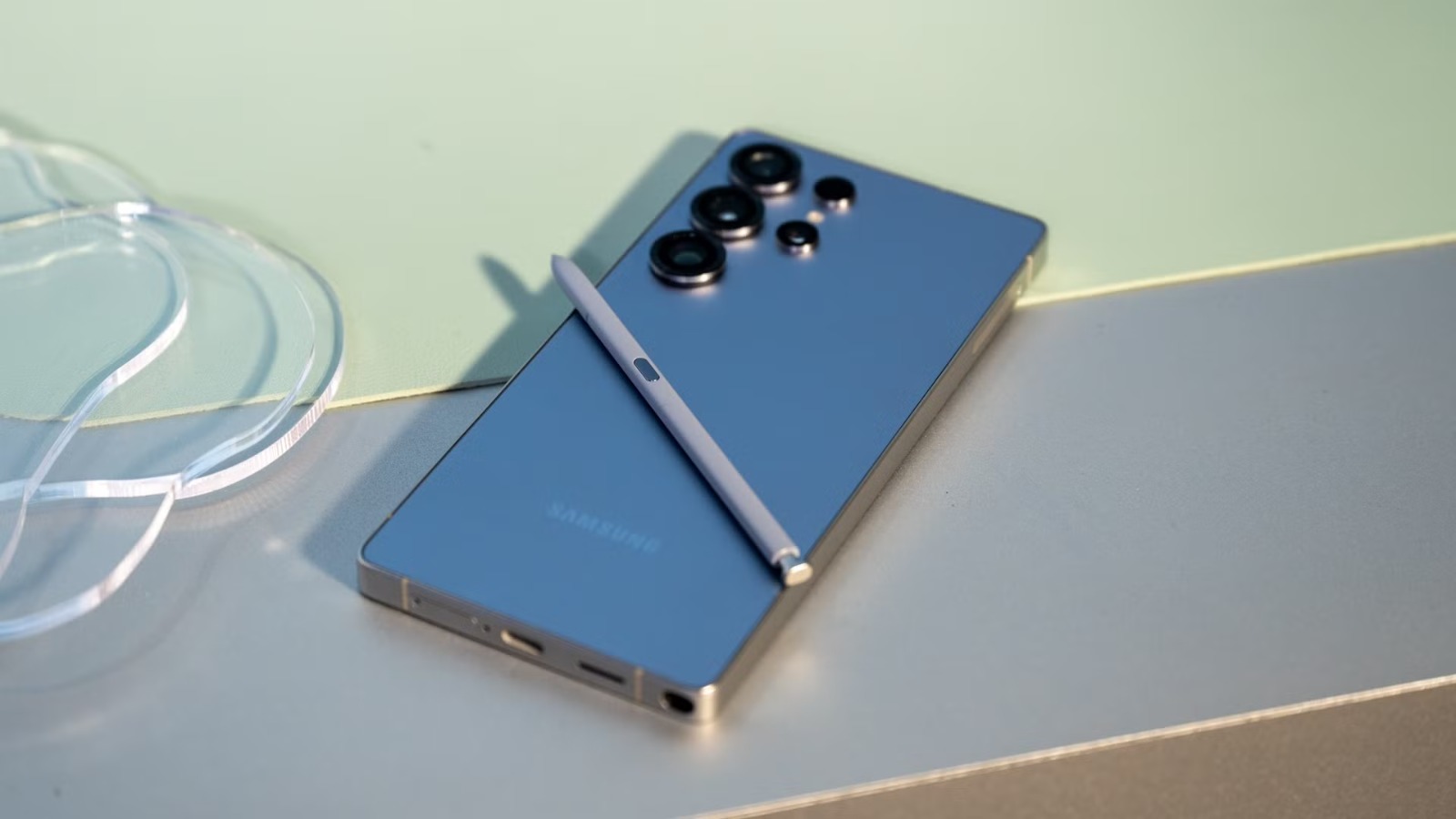
Samsung Galaxy S25 and S25 FE See Significant Price Cuts
Samsung's Galaxy S25 and Galaxy S25 FE smartphones are currently available at notably reduced prices, with the S25 FE dropping $201 (33%) to $449 on Woot for a limited time. The price reductions come amid a competitive smartphone market and ahead of anticipated future Samsung releases. The discounts make previously premium-priced devices more accessible to budget-conscious consumers.

Anthropic Disables Fable 5 and Mythos 5 AI Models Globally After US Government Export Control Order
Anthropic has suspended all public access to its two most advanced AI models, Fable 5 and Mythos 5, after the US Commerce Department issued an export control directive ordering the company to block foreign nationals from accessing them on national security grounds. The order came just three days after Fable 5's public launch and reportedly stems from government concerns about a potential jailbreak that could enable the models to assist with cyberattacks, though Anthropic says it received only verbal evidence of a narrow, non-universal vulnerability. The shutdown affects all customers globally — including enterprise users and Anthropic employees — and marks a significant escalation of US efforts to restrict foreign access to advanced AI models themselves, rather than just the chips that power them.
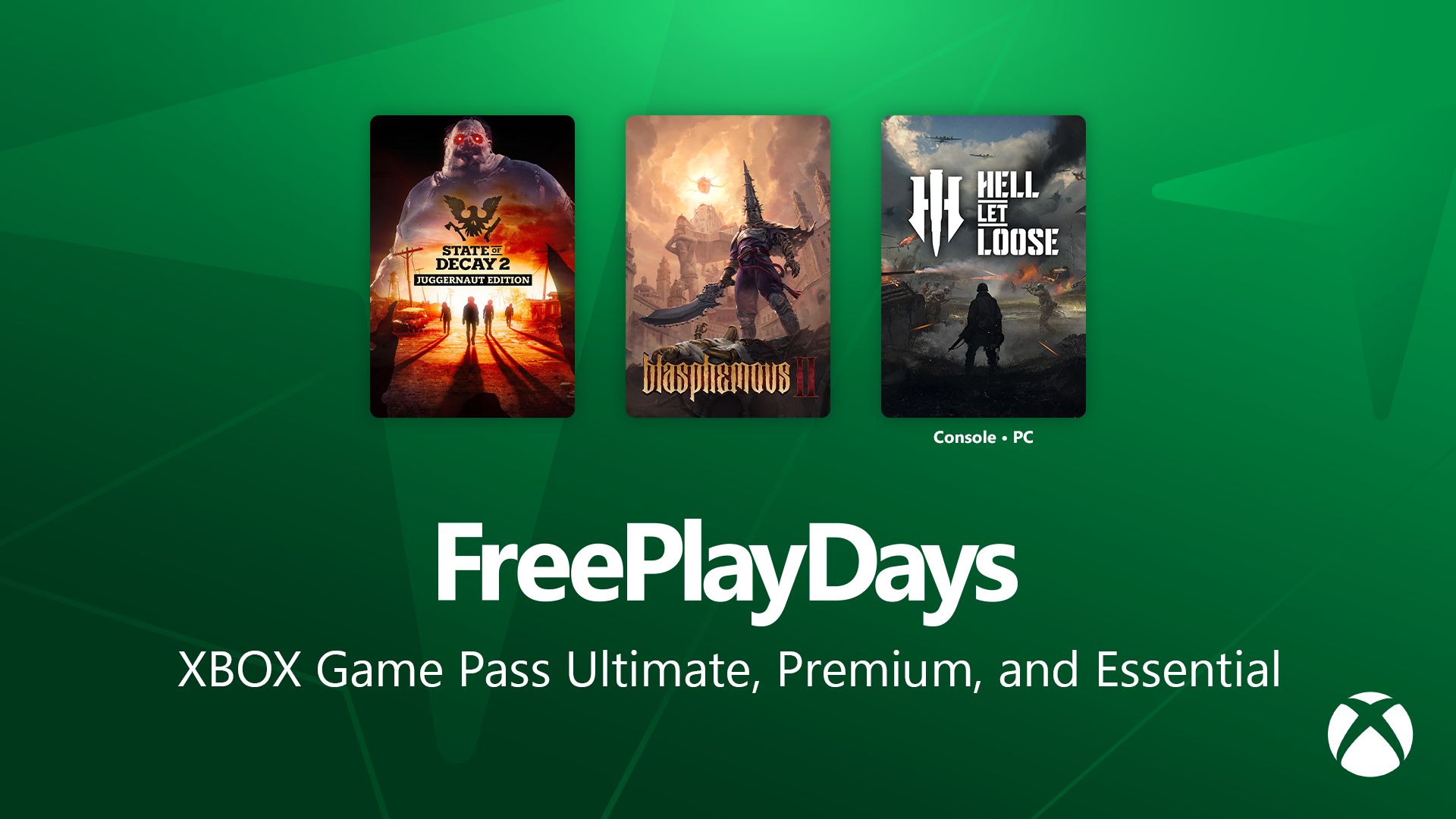
Xbox Free Play Days Offers Three Games Free to Play June 11–14
Microsoft's Xbox Free Play Days program is offering Hell Let Loose, State of Decay 2: Juggernaut Edition, and Blasphemous 2 at no cost from June 11 to June 14. Hell Let Loose requires an Xbox Game Pass Ultimate, Premium, or Essential membership, while State of Decay 2 and Blasphemous 2 (via a five-hour timed trial) are accessible to all Xbox console owners. Players who wish to keep any of the games can purchase them at a limited-time discount and retain any achievements earned during the free period.