Southern Poverty Law Center Faces Fraud Indictment Alleging Misuse of Donor Funds
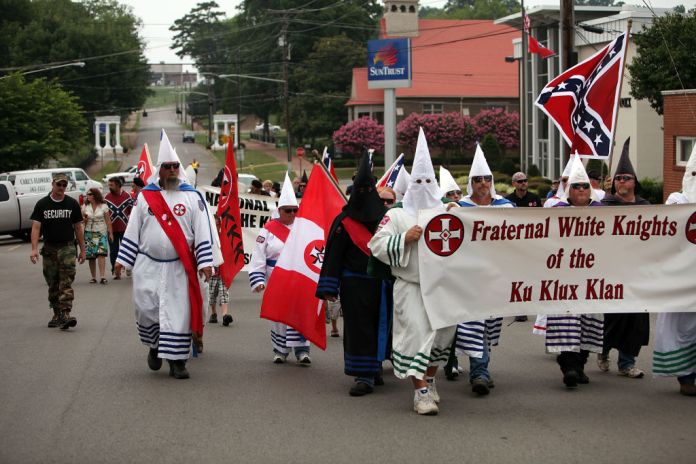
A grand jury has issued a superseding indictment against the Southern Poverty Law Center alleging fraud and misuse of donor funds, according to reporting from the Washington Examiner. The indictment claims the SPLC allegedly funneled millions to informants in extremist groups and used deceptive practices to solicit donations. The case raises questions about nonprofit oversight and tax-deductible charitable status.
According to the Washington Examiner, the Southern Poverty Law Center has been indicted on fraud charges, with prosecutors alleging the organization deceived donors and misused millions in contributions. The indictment reportedly claims the SPLC opened secret bank accounts under fictitious entities to funnel money to informants in hate groups including the KKK and Aryan Nations, allegedly funding activities such as cross burnings. The article argues this constitutes large-scale fraud rather than minor administrative violations, and notes that the SPLC's nonprofit status allows donors to claim tax deductions, effectively subsidizing the organization through foregone tax revenue. The piece contends that if individuals faced the same charges, they could face up to 20 years in prison per count.
What's missing
No independent corroboration of the indictment's specific allegations is provided. The SPLC's response to the charges beyond calling the prosecution 'political' is not included. No details about the indictment's origin, the specific charges, or the evidence presented are independently verified. The identities of the acting Attorney General and the timeline of events cannot be confirmed from this source alone.
What different sources said
- Washington ExaminerRight
Stop subsidizing the SPLC’s hate
Related
Halfway Through 2026 Primary Season: Six Key Takeaways from Congressional Races
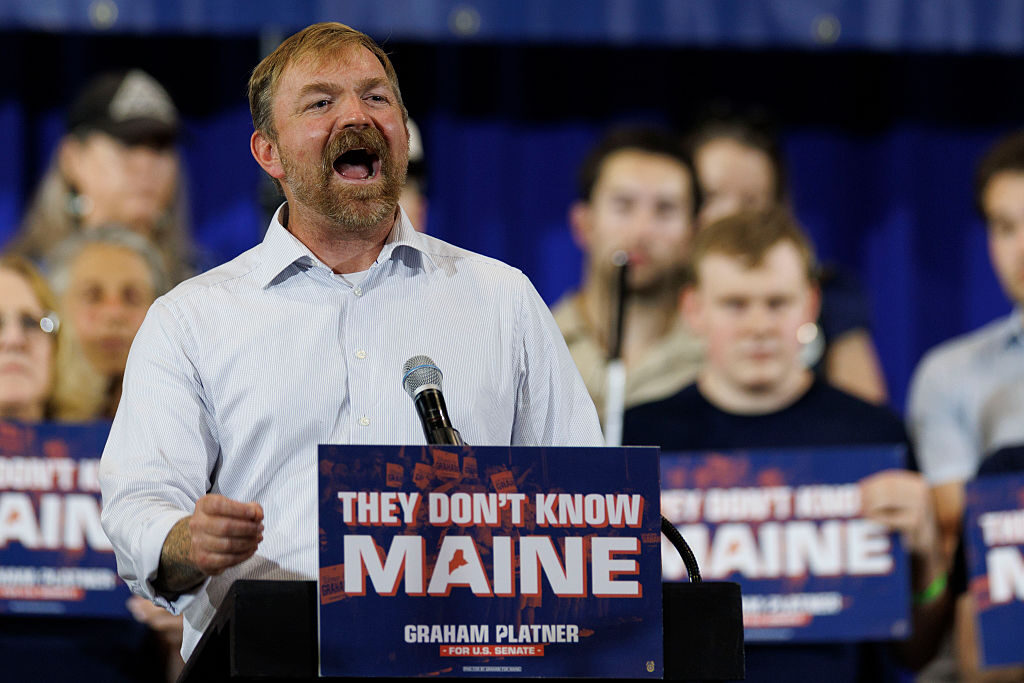
Four more states held primaries this week, bringing the total to 26 states that have completed regular congressional primaries in the 2026 midterm cycle. Key patterns emerging include front-runners not always winning, House members struggling to advance to statewide office, and President Trump's endorsement record remaining largely successful despite low approval ratings. These trends are shaping the competitive landscape for the general election.
Congress Struggles to Build Support for $9 Billion Rayburn House Office Building Renovation
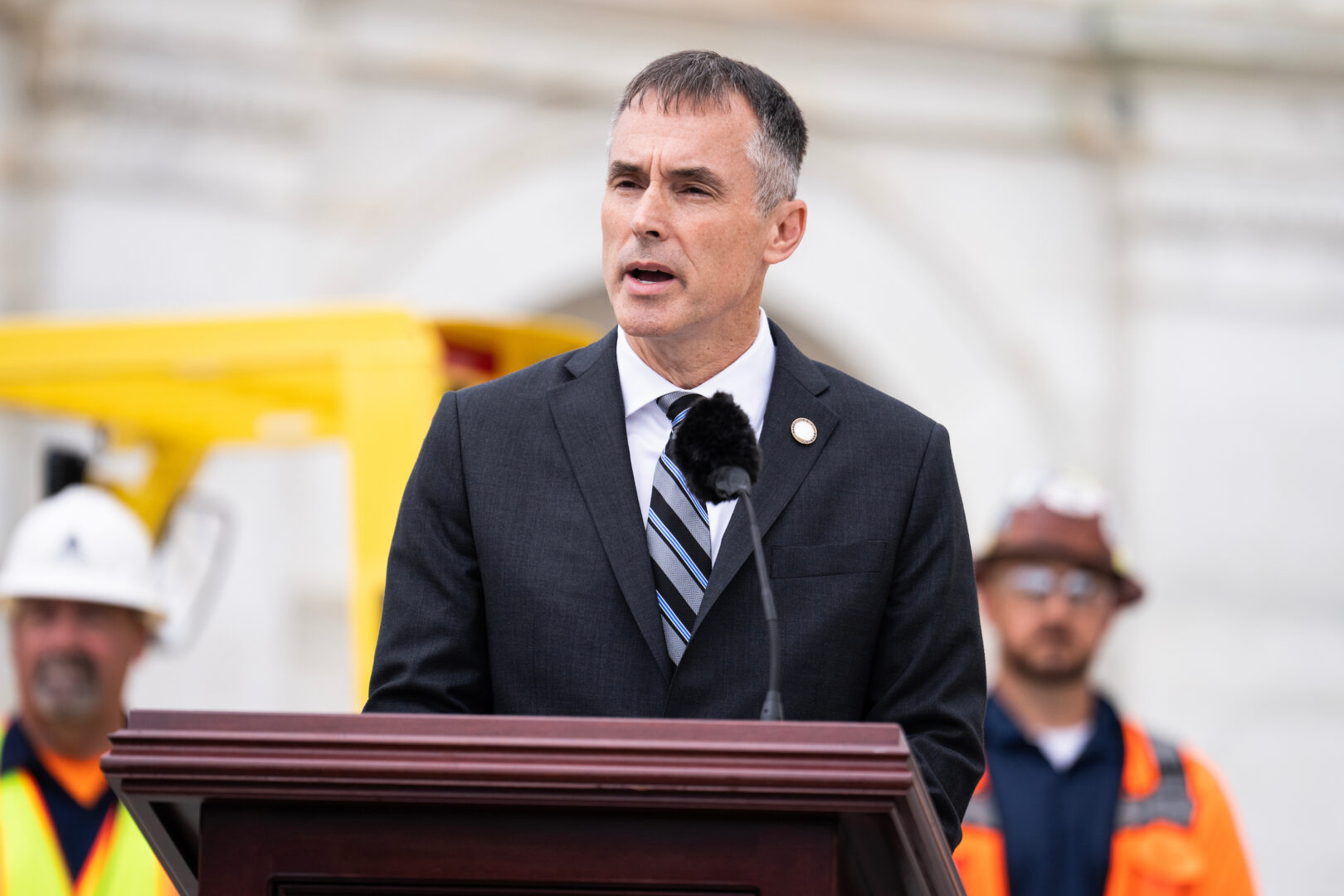
The Architect of the Capitol is pushing for a major renovation of the Rayburn House Office Building, which could cost $9 billion and last until 2045, but lawmakers remain hesitant to commit to the project. The building, constructed in 1965, is experiencing serious deterioration including 16 major leaks in the past year alone and risks of catastrophic system failure. The challenge reflects a broader political difficulty: Congress has historically been reluctant to fund its own infrastructure, with legislative branch spending averaging just 0.15 percent of total budget authority since 1976.

Study Finds College Faculty Lean Significantly Left, Raising Questions About Campus Ideological Diversity
A study commissioned by the Foundation for Individual Rights and Expression found that college faculty donors have an average ideology score of -1.02, comparable to Senator Bernie Sanders's -1.14, indicating strong leftward lean among faculty. The research cross-referenced over 100,000 faculty members with campaign contribution data, and separate surveys found only 20% of faculty believed a conservative scholar would be welcome in their department. The findings raise concerns about ideological diversity in higher education and its potential influence on student political attitudes.