South Korea's Stock Market Boom Attracts Millions of First-Time Investors

South Korea's stock market has experienced a historic rally, with the Kospi index nearly doubling in value and becoming the world's best-performing major index. The number of individual stock owners surged from 6 million in 2019 to over 14.5 million by end of 2025, driven by retail investors with little market experience entering during the boom. The surge represents a dramatic reversal for a market long plagued by the "Korea discount" and weak investor returns.
South Korea is experiencing an unprecedented stock market boom that has drawn millions of first-time retail investors into equities. The Kospi index has nearly doubled in value over six months, making it the world's best-performing major index, while the number of individual stock owners jumped from approximately 6 million in 2019 to over 14.5 million by the end of 2025. Novice investors like Kim Ha-young, profiled in the article, are entering the market with minimal research, buying blue-chip stocks like Samsung and SK Hynix on intuition rather than analysis. This surge marks a dramatic turnaround for South Korea's historically undervalued stock market, which suffered from the "Korea discount"—a phenomenon where Korean companies traded at lower valuations than comparable global peers due to weak corporate governance, family-run chaebol structures, and poor shareholder returns. President Lee Jae-myung's administration has implemented stock market reforms aimed at improving corporate governance and shareholder protections, contributing to renewed investor confidence.
What's missing
The article does not discuss potential risks associated with the rapid influx of inexperienced retail investors, such as market volatility, bubble formation, or investor losses during market corrections. Additionally, there is limited discussion of the sustainability of the current rally or macroeconomic factors driving the surge beyond market reforms.
What different sources said
- Al JazeeraLeft
South Korea’s booming stock market mints a generation of novice investors
Related

Saudi Arabia to Spend $16 Billion on Neom Megacity Project Cancellations
Saudi Arabia's government will spend approximately $16 billion over the next five years on contractor termination payments for cancelled portions of its Neom megacity project, according to reports. The massive project, envisioned by Crown Prince Mohammed bin Salman as part of Vision 2030 to diversify the economy away from oil, has faced significant scaling back after years of delays and cost overruns. The cancellation costs exceed what the government plans to spend on actual construction, highlighting the financial challenges of the ambitious development.
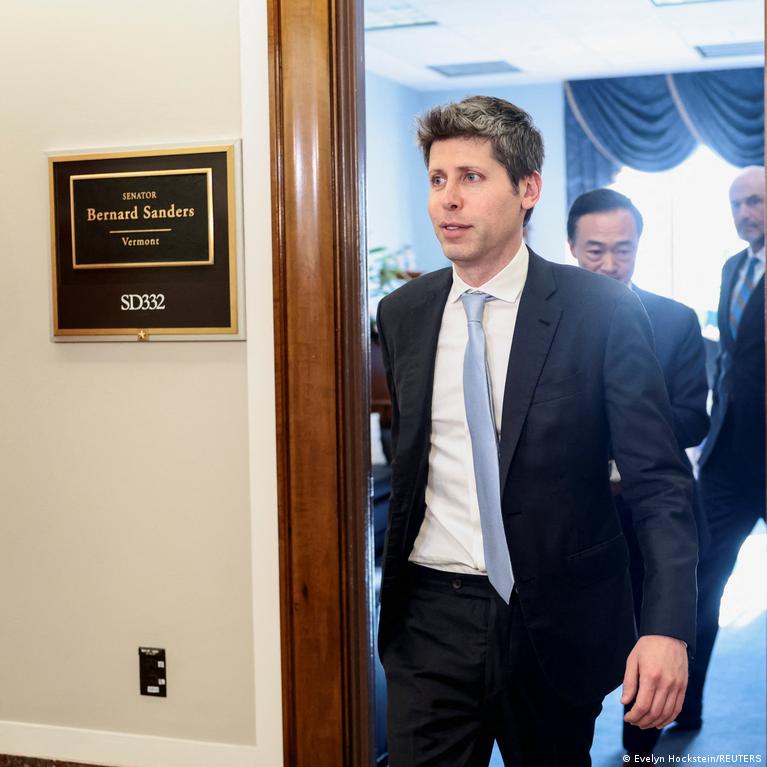
OpenAI Files for IPO as AI Companies Race to Go Public
OpenAI announced it has filed IPO paperwork with the SEC, potentially targeting a valuation up to $1 trillion with a possible debut as early as September. The move follows similar filings by rival Anthropic and comes as SpaceX prepares for what could be the largest IPO on record. The announcements reflect intense competition in the AI sector and companies' need to raise capital to fund expensive AI development.
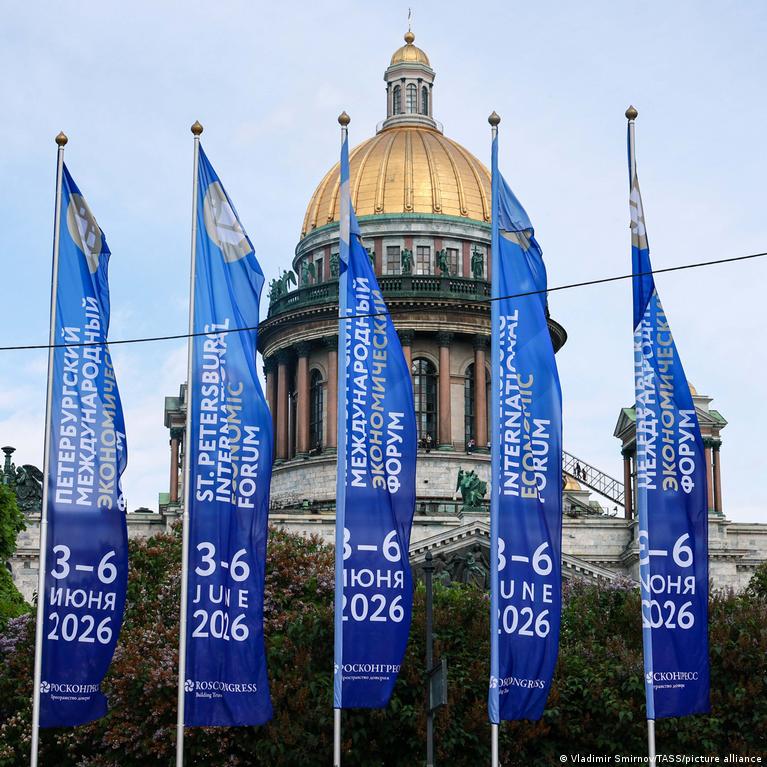
Saudi Arabia and Russia Deepen Energy Alliance as OPEC Weakens
Saudi Arabia and Russia are strengthening their energy partnership through OPEC+ and direct coordination as the traditional OPEC cartel faces internal divisions and member departures. The UAE's exit from OPEC in May 2024 and the rise of US shale oil production have reduced the cartel's influence over global oil markets. This realignment reflects both countries' efforts to maintain pricing power and geopolitical relevance amid Western sanctions on Russia and shifting global energy dynamics.