South Korean retail investors hit borrowing limits as stock market rally strains leverage capacity
Retail investors in South Korea have reached borrowing caps at local brokerages as leveraged investments surge alongside the KOSPI's exceptional performance. The benchmark index has risen 83% this year, driven largely by retail investment in chipmakers like Samsung Electronics and SK Hynix. The situation highlights potential risks as borrowed investments hit record levels while regulatory limits constrain further leverage.
South Korean retail investors have exhausted borrowing limits imposed by brokerages, according to the Korea Capital Market Institute, as leveraged stock investments reach unprecedented levels. The KOSPI has surged 83% in 2025 following a 76% gain in 2024, making it the world's best-performing stock market in an AI-driven rally. Retail investors have poured 79 trillion won ($51.8 billion) into the market this year, while borrowed investments hit a record 29 trillion won as of Tuesday—a 71% increase from 17 trillion won at the end of 2025. The borrowing caps at individual brokerages are now being strictly enforced, limiting retail investors' ability to increase leverage further. This dynamic contrasts with foreign investors, who have sold 124 trillion won of shares for profit-taking, suggesting divergent investment strategies between domestic and international market participants.
What different sources said
- Channel NewsAsiaCenter
Retail investors hit borrowing limits at South Korean brokerages, think tank says
Related

Nike Faces Continued Challenges Despite Leadership Change
Nike has experienced ongoing setbacks in running, product development, and brand strategy despite Elliott Hill's return as leader. Hill's appointment was expected to revitalize the struggling athletic brand. The company's inability to regain momentum raises questions about its competitive position in the athletic apparel market.
SpaceX Claims Investment-Grade Credit Ratings Ahead of Potential Bond Issuance
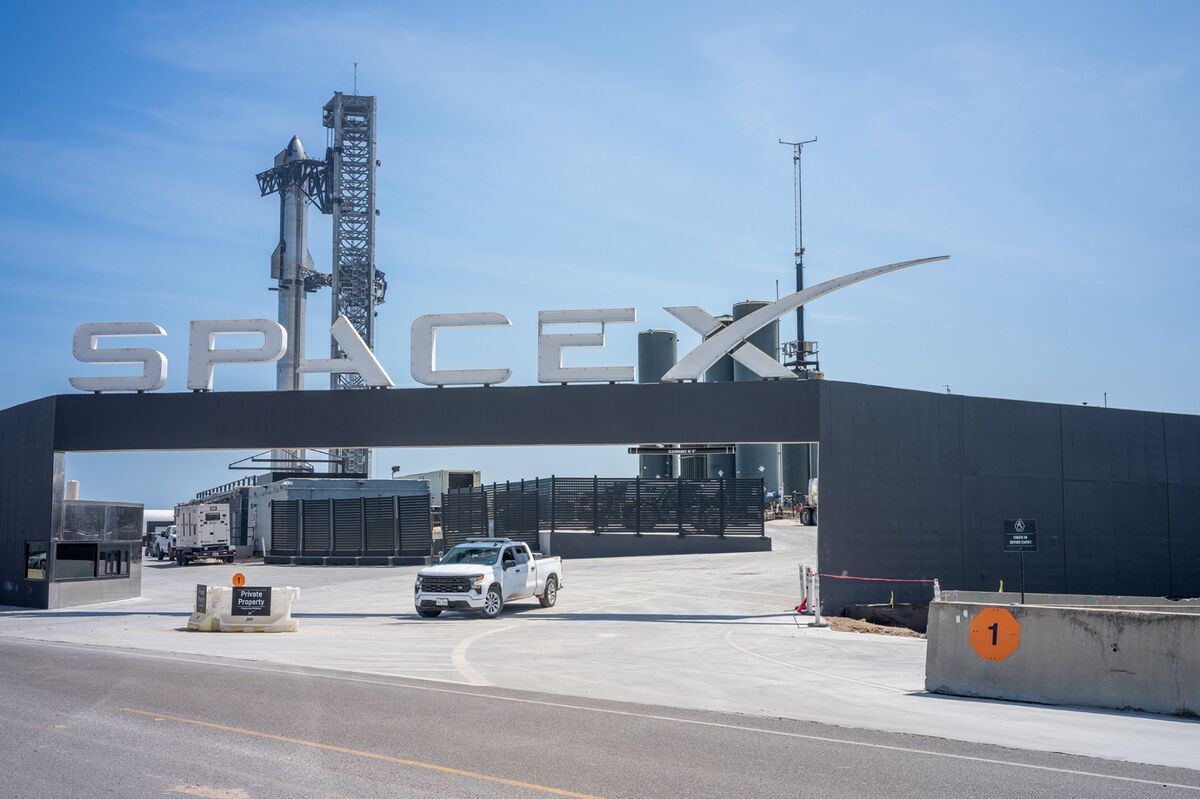
SpaceX has reportedly secured investment-grade credit ratings from three major rating agencies, according to sources cited by Bloomberg. The ratings could lower the company's borrowing costs as it pursues additional financing following a potential initial public offering. This development signals growing confidence in SpaceX's financial stability among major institutional investors.

Cannabis Shop Owner Faces Lawsuit Over Alleged Misuse of $1.5 Million Business Loan
Jennifer Tzar, owner of a SoHo cannabis dispensary, is being sued by her lender Fire Escape for allegedly misusing $230,000 of a $1.5 million business loan on personal expenses, including travel, meals, and payments to friends and family. Tzar denies the allegations as part of a hostile takeover attempt and has filed her own lawsuit claiming conflicts of interest involving the lender's attorney. The case involves disputes over loan fund usage, workplace conduct allegations, and questions about the legitimacy of the lender's takeover bid.