South Korea and U.S. Align on Nuclear-Powered Submarine Development in South Korea

South Korea and the United States have agreed that Seoul's acquisition of nuclear-powered submarines would strengthen their alliance, with both countries discussing the project on the premise that submarines would be built domestically in South Korea. The agreement emerged from inaugural talks implementing a joint fact sheet and represents a shift from earlier statements by President Trump suggesting construction at a U.S. shipyard. The alignment is significant for regional security on the Korean Peninsula, though South Korea remains cautious about U.S. concerns over nonproliferation norms.
During inaugural meetings to implement a South Korea-U.S. joint fact sheet held June 2-3, both countries discussed Seoul's nuclear-powered submarine program with the understanding that construction would occur in South Korea, according to South Korea's Foreign Ministry. This represents a notable development given that President Trump had previously stated on social media that the submarines should be built at Philadelphia Shipyard; however, U.S. officials did not raise objections to domestic South Korean construction during the talks. Both delegations agreed the submarines would serve as an important alliance capability for defending the Korean Peninsula and are not aimed at any specific country. The talks also covered South Korea's efforts to expand uranium enrichment and spent fuel reprocessing rights, with both sides agreeing to strengthen their nuclear energy partnership and begin full-scale discussions on adjusting the existing 123 Agreement. South Korean officials described the atmosphere as positive and constructive, though the government remains cautious due to U.S. nonproliferation concerns and uncertainty about Trump's decision-making approach.
What different sources said
- UPICenter
South Korea, U.S. align on nuclear-powered subs
Related

UK Government to Extend Shop Closure Powers to 12 Months Following BBC Investigation into Illegal Mini-Marts
The UK government announced new powers allowing authorities to close illegal mini-marts, barbers, and vape shops for up to 12 months, doubling the current maximum closure period of six months. The change follows a BBC News investigation exposing drug gangs, money laundering, and other organized crime linked to shops selling illegal cigarettes, vapes, and drugs on British high streets. The measure aims to give investigators more time to gather evidence and prevent rogue operators from quickly reopening, with support from Trading Standards officers who have long lacked sufficient enforcement tools.

Belfast Residents Evacuate as Disorder Erupts Following Knife Attack
Residents in Belfast have been forced to flee their homes as cars and houses are set on fire following a knife attack in north Belfast on Monday night. A 30-year-old Sudanese man has been charged with attempted murder, while a victim remains hospitalized with serious injuries. The disorder has prompted police to call for calm as sporadic violence breaks out across Northern Ireland.
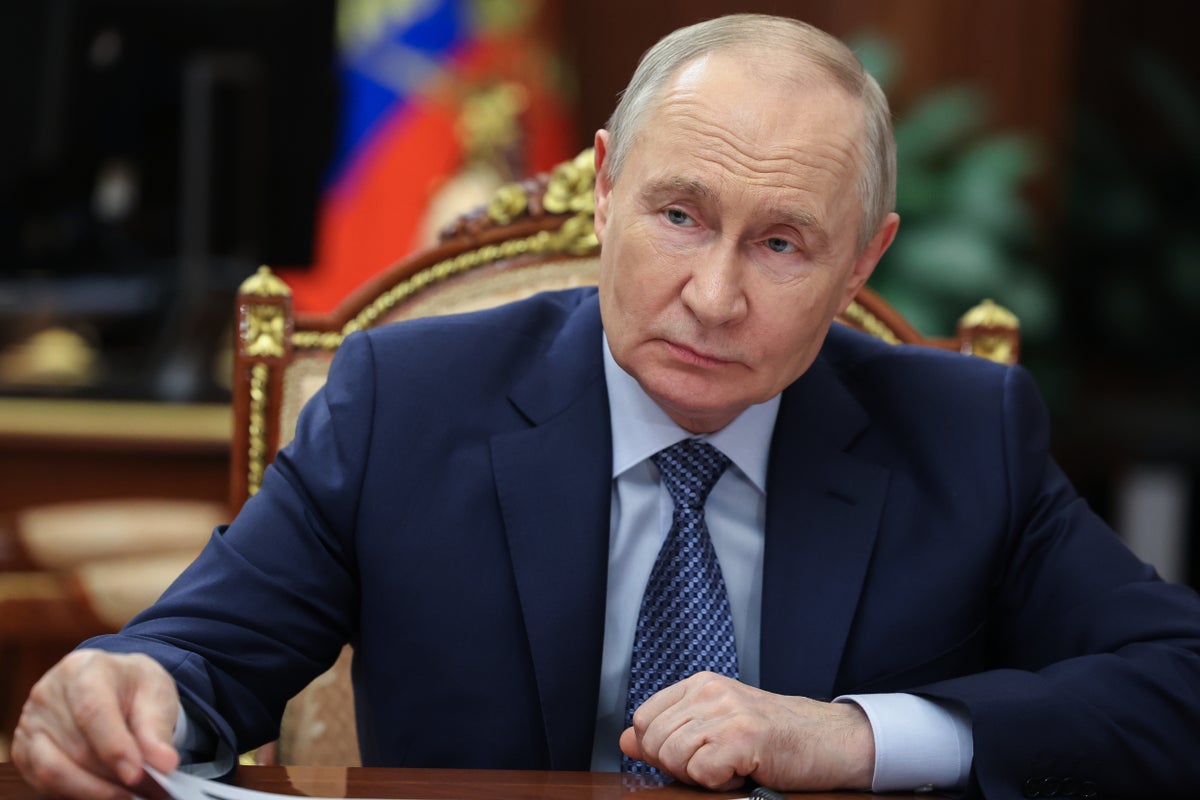
Russian General Killed in Moscow Car Bombing; Ukraine War Escalates with Drone Attacks and EU Sanctions
Damir Davydov, head of Russia's missile and artillery supply operations, was killed in a car explosion in the Moscow region on Tuesday morning, according to officials. The attack occurs amid intensifying Ukrainian drone strikes on Russian infrastructure and military leadership, though Ukraine has not claimed responsibility. The incident underscores the ongoing conflict's expansion into Russian territory and comes as the EU proposes its 21st sanctions package targeting Russian banks and military production.